Nevada Doves: 2026-2027 Season For Migratory Game Bird Hunting
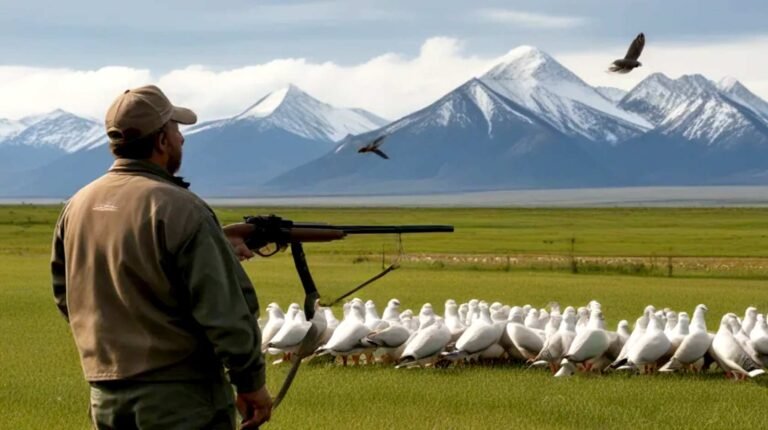
If you’re getting ready to chase doves across the Silver State, savor this — Nevada’s dove season is one of the most underrated hunting traditions in the West. From irrigated alfalfa fields near Overton to water tanks in the high desert, the action is steady, the weather is dry, and the limits are generous. The Nevada Department of Wildlife (NDOW) sets the framework every year, and the U.S. Fish & Wildlife Service (USFWS) supplies the federal guidelines that govern season length and bag limits nationwide.
Below is everything you need to hunt doves legally in Nevada during the 2026-2027 cycle — including species identification, license requirements, hunter etiquette, and the most productive public hunting spots in the state.
✅ Quick Answer
When does dove season open in Nevada?
The mourning dove and white-winged dove season in Nevada runs statewide from September 1 through October 30, 2026.
What is the daily bag limit?
Hunters may take 15 doves per day, counted as mourning doves and white-winged doves combined (singly or in the aggregate), with a 45-bird possession limit (three times the daily bag).
Do you need a license?
Yes — a valid Nevada hunting license, a current HIP (Harvest Information Program) registration, and if you’re a waterfowl-lottery hunter a state migratory bird validation are all required.
🦅 1. Nevada Dove Season 2026-2027 Overview
| Species | Season | Zone | Opening Date | Closing Date | Daily Bag Limit | Possession Limit | Status |
|---|---|---|---|---|---|---|---|
| Mourning Dove | Migratory Game | Statewide | Sept 1, 2026 | Oct 30, 2026 | 15 (combined) | 45 | Pending Official Announcement |
| White-winged Dove | Migratory Game | Statewide | Sept 1, 2026 | Oct 30, 2026 | 15 (combined) | 45 | Pending Official Announcement |
| Eurasian Collared Dove | Unprotected Nongame | Statewide | Year-round | Year-round | None | None | Open |
White-winged doves and mourning doves count together toward the 15-bird daily limit in Nevada. This is a critical detail — when you take your limit, the combination of either species cannot exceed 15.
📅 2. Official Dove Season Dates for 2026-2027
The proposed Nevada mourning dove and white-winged dove season — as listed by NDOW — covers September 1, 2026 through October 30, 2026. That’s a 60-day season, in line with recent years and the federal framework published in the USFWS migratory bird regulations.
If you want to chase Eurasian collared doves, you’re in luck — the species is classified as an unprotected nongame bird in Nevada. That means it can be hunted any time of year with no bag limit. They’re a bonus target between seasons, and they often fly into the same decoy spread as mourning doves.
Split seasons? Nevada has traditionally run mourning and white-winged dove as a single continuous 60-day window. The 2026-2027 proposal follows that pattern. Be aware that band-tailed pigeon hunting in Nevada runs from September through early October and is separately regulated — don’t confuse the two.
🗺️ 3. Dove Hunting Zones in Nevada
This is where many hunters get tripped up. Unlike most southern states, Nevada does not split its dove season into north/south/central/coastal zones. The mourning dove and white-winged dove season is statewide and uniform — you can hunt the same dates anywhere in Nevada.
However, Nevada does maintain geographic zone structures for waterfowl hunters:
- Northeast Zone (Elko, Eureka, White Pine, Lander, and parts of Humboldt)
- Northwest Zone (Washoe, Pershing, Churchill, Mineral)
- South Zone (Clark, Lincoln, Nye counties — where most mourning dove action is)
These zones matter only for waterfowl and band-tailed pigeon seasons. For dove, plan on statewide access — just be aware of property boundaries, restricted areas around Las Vegas suburbs, and the Overton WMA draw requirements.
🎯 4. Daily Bag & Possession Limits
| Species | Daily Limit | Possession Limit | Special Rules |
|---|---|---|---|
| Mourning Dove | 15 (combined) | 45 (triple) | Counts with white-winged |
| White-winged Dove | 15 (combined) | 45 (triple) | Counts with mourning dove |
| Eurasian Collared Dove | Unlimited | Unlimited | Unprotected nongame species |
| Band-tailed Pigeon | 2 | 6 (Per USFWS framework) | Separate season — Sept to early Oct |
Note: Possession limit is three times the daily bag, regardless of where the birds were taken — that’s the federal standard.
🌅 5. Legal Hunting Hours
In Nevada, legal shooting hours for migratory birds — including doves — are one-half hour before sunrise to sunset daily. NDOW aligns with USFWS Page Art. So if the sun rises at 6:34 a.m., you can shoot starting at 6:04 a.m.
Federal rules:
- Doves must be hunted on the wing only
- Shooting from a stationary motor vehicle is illegal
- Shooting from across a public road or right-of-way is illegal
💳 6. Licenses & Permits Needed
To hunt doves in Nevada during the 2026-2027 cycle, you’ll need three things:
| Requirement | Cost | Notes |
|---|---|---|
| Nevada Hunting License (Adult Resident) | $155 | Adult Combination 18 & older |
| Youth Hunting License (12-17) | $15 | Resident annual |
| Apprentice Hunting License | $15 | Available at NDOW offices, allows supervised hunting |
| HIP Registration | Free | Mandatory for all migratory bird hunters |
| State Migratory Bird Stamp/Validation | Varies — see NDOW | Required for some lottery hunts |
| Senior/Disabled Veteran Exemption | Varies | Many fees waived |
Available to:
- Residents of Nevada
- Nonresidents (must purchase a Nevada nonresident hunting license)
- Active-duty military on leave — exempt from certain fees
- Kids under 12 — no license required, but must hunt with a licensed adult
- Seniors — discounted licenses available
- Out-of-state hunters — must buy a nonresident license
HIP Details: the HIP (Harvest Information Program) registration is a short online survey required by USFWS. Each year, you answer a few quick questions about your previous year’s hunting activity. Nevada has no additional migratory-bird-permit-fee beyond the base hunting license.
🛠️ 7. Legal Hunting Methods
Laws in Nevada line up with federal migratory bird rules:
- Shotguns — 10-gauge or smaller, capable of holding no more than three shells total (the typical “plug” requirement). Shotguns must be plugged so the magazine + chamber hold three combined rounds maximum.
- Non-toxic shot — although the federal non-toxic shot requirement applies only to waterfowl, Nevada allows lead shot for dove but recommends steel or bismuth for better patterning and clean kills.
- Decoys — legal and highly effective in Nevada’s desert ag areas.
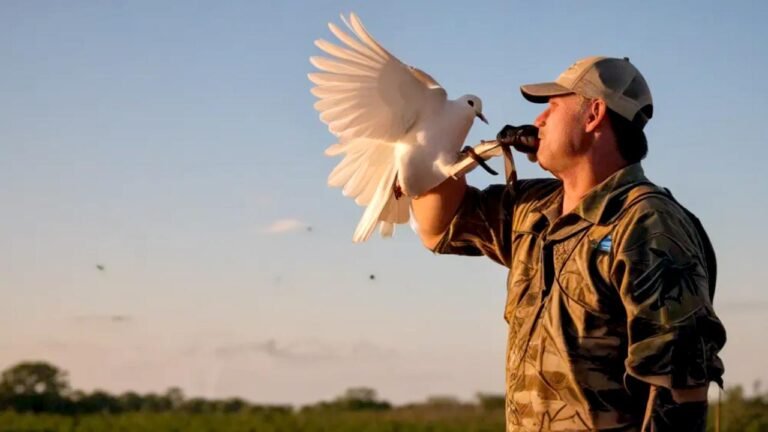
- Electronic calls — illegal for doves (federal restriction). Mouth-blown calls and wing-beating devices are fine for mourning doves.
- Baiting — it is illegal to bait migratory birds (corn, wheat, etc.). Hunting on harvested agricultural fields where grain is naturally a byproduct is generally permissible, but check current NDOW rules each year.
- ATVs and motor vehicles — they are allowed for access, but discharge of a firearm from a moving vehicle is illegal.
- Retrievers — encouraged but not required. Dogs make a world of difference in the desert sage.
📍 8. Best Places to Hunt Doves in Nevada
Nevada’s dove hunting is concentrated in the southern third of the state near agriculture. Best bets:
| Location | Type | Why It’s Good | Permit Required |
|---|---|---|---|
| Overton WMA | NDOW State Wildlife Area | Annual special dove draw — bird-rich | Yes — lottery |
| Pahranagat Valley (Lincoln County) | Public + Private Ag | Famous mourning dove flyway | Mostly private permission |
| Moapa Valley | Public + Private Ag | Many forage fields adjacent to public lands | Varies |
| Duckwater/McGill area (Northeast) | Ranch/City USFWS | Local flocks around water in dry region | Variable |
| Walker Lake area (Mineral Co.) | BLM public land | Mourning doves near irrigated ranch pasture | Usually none |
| Ash Meadows NWR | National Wildlife Refuge | Migratory game birds allowed — check current regs | Yes |
| Desert NWR Complex (Boquil, units) | Federal lands | Special regulated hunts — see refuge bulletin | Yes |
| Public BLM parcels (statewide) | Federal | 99% of Nevada is public; access via the BLM | No fee |
Tip: Overton WMA is the only NDOW-managed property that runs a special dove draw for opening weekend. Applications typically close July 21 for the September 1 opener. Other WMAs are first-come, first-served.
🧠 9. Top Dove Hunting Tips (15 Nevada-Specific)
- Chase the water. In Nevada, hunt near stock tanks, irrigation pivots, and dairy troughs — doves must drink twice a day.
- Hit the alfalfa early. Southern Nevada’s alfalfa fields are dove magnets — scout the week before opening day for fresh cutting.
- Bring a stool. Most Nevada setups are bare desert floor — a low-profile folding seat is heaven on opening day.
- Pack 3 liters of water per hunter. Midday temperatures can climb above 100°F even in late September.
- Use a 20-gauge or 28-gauge. Light recoil, tighter patterns at 25-35 yards, and lighter to carry in the sage.
- Watch for rodent holes. A twisted ankle is the most common opening-day injury in the high desert.
- Mourning doves come from the south in the morning. Set up where morning sun is at your back.
- Afternoon flights run north to south. Move with the sun and the birds follow.
- Plant a single dirt patch with no decoys early in the season. New-shoots shotgun-shy birds fly high and far.
- Hunt a wheat stubble field if you can find one. Northern Nevada has plenty, and the birds will hole up tight against the cut line.
- Skip the roost hunt if you’re new. Nevada roost trees are often far apart, and the cooler morning temps in late September catch people unprepared.
- Try the decoy spin. Two spin-spin-decoys on a stake are deadly in the Moapa/Pahranagat irrigation set.
- Glass first. Do a quick binocular sweep before parking — Nevada’s open ground means you won’t be alone for long once you start shooting.
- Bring a green-tarp ground blind. It blends into the desert far better than orange or natural camo.
- Shoot only doves within a confident 35-yard range. In the open terrain, lead is generous — don’t chase longer shots.
Before you buy gear or book lodging, browse our Dove Hunting Tips hub for additional gear guides and country-by-country pre-season strategy.
📝 10. Recent Regulation Changes for 2026-2027
Based on NDOW Commission Regulation CR-26-10 (Notice of Hearing for Adoption, March 2026), the proposed 2026-2027 dove framework:
- Maintains the September 1 – October 30 statewide mourning dove and white-winged dove season.
- Continues to count mourning doves and white-winged doves in aggregate toward the 15-bird daily bag (singly or combined).
- Keeps Eurasian collared dove classified as an unprotected nongame species with no season and no bag limit.
- Retains 15-daily / 45-possession limit as the federal framework maximum.
- Requires HIP certification for all migratory game bird hunters.
If the 2026-2027 framework is adopted without changes, regulations remain substantially unchanged from recent seasons.
🛡️ 11. Hunter Safety Tips
- Firearm safety — treat every gun as if it’s loaded; never let the muzzle cross anyone.
- Heat safety — desert temps in September regularly exceed 95°F. Hydrate, cover up, and rest in shade.
- Dog safety — water breaks every 30 minutes for retrievers; check paws for cactus spines and broken glass.
- Eye protection — mandatory when shooting; shatter-resistant shooting glasses are a must.
- Hearing protection — plug-it style ear protectors are essential, especially for high-volume dove fields.
- Bird identification — always identify doves before pulling the trigger; the band-tailed pigeon is federally protected and has a stricter open season/limit.
- Ethical hunting — take only clean shots, recover every downed bird, and respect private-land boundaries.
🪶 12. Common Dove Species Found in Nevada
| Species | Identification | Habitat | Migration | Best Hunting Strategy |
|---|---|---|---|---|
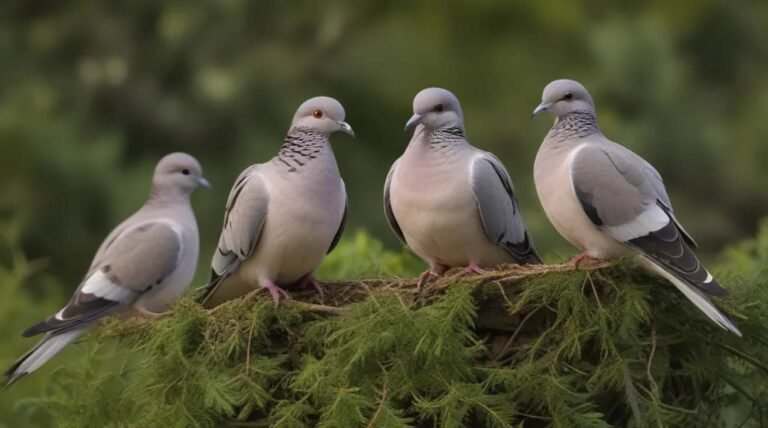
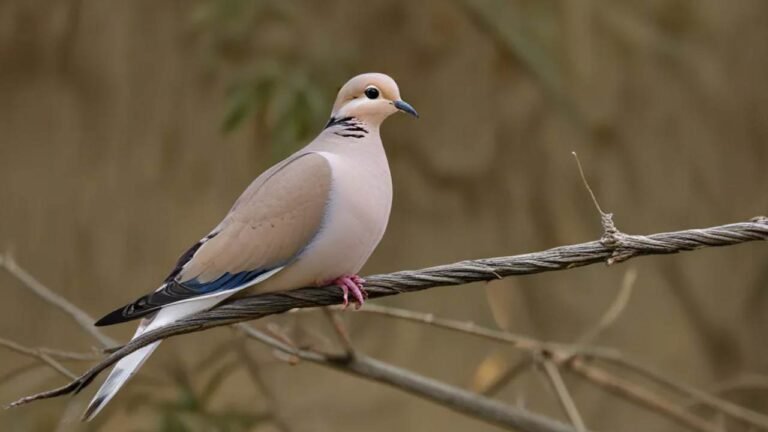
| Mourning Dove | Tan, soft black spots on wings, long pointed tail; distinct “coo-OO-oo-oo” call | Open desert, farmland, ranchland | Migratory; breeds across Nevada; winters south | Roost-edge morning hunts; noon on water holes; field edges at sunset |
| White-winged Dove | Larger than mourning dove; white wing bar visible in flight; blue eye-ring | Suburban trees, agricultural areas | Primarily a Texas/Arizona breeder; some range expansion into Clark County | Plant a high-profile decoy near mature trees |
| Eurasian Collared Dove | Pale gray with black collar on back of neck; square tail; coarser flight | Towns, feedlots, ornamentals | Non-migrant; established year-round | Decoys not needed; hunt woodpiles and grain bins |
| Band-tailed Pigeon | Large, swift; yellow bill with black tip; white neck crescent | Pine woodlands in pinyon-juniper forests | Migratory; nested in upper elevation | Special season; worth checking NDOW rules |
❓ 13. Frequently Asked Questions
When does dove season open in Nevada?
The proposed 2026 opener is September 1, 2026, pending official adoption by the Nevada Wildlife Commission.
What is the daily dove bag limit in Nevada?
15 doves per day, with mourning doves and white-winged doves counted together. Possession limit is 45 doves.
Are Eurasian collared doves included in the mourning dove limit?
No. Eurasian collared doves are classified as an unprotected nongame species in Nevada. They have no feeding or bedding season, and you can hunt them year-round with no bag limit.
Do I need a Nevada hunting license to hunt doves?
Yes. Anyone 12 years or older must have a valid Nevada hunting license to pursue any wildlife, including doves.
Is HIP required to hunt doves in Nevada?
Yes — HIP certification is required for all migratory game bird hunters in the U.S., regardless of state.
Are there any special WMAs requiring a draw or permit?
Yes — Overton WMA runs an annual dove draw for the opening weekend. Applications typically close in mid-to-late July.
Can I use lead shot for dove in Nevada?
Yes — lead shot is legal for dove. However, non-toxic shot is recommended for cleaner wounds and better retrieval rates.
What is the earliest legal shooting time?
A half hour before sunrise, per federal and Nevada law. Use the U.S. Naval Observatory sunrise table for accurate local times.
Do I need a federal duck stamp to hunt doves?
No — the federal duck stamp applies to migratory waterfowl only, not doves.
What is the best time of day to hunt doves in Nevada?
Mid-morning (8 a.m. to 10 a.m.) and the hour before sunset are traditionally the strongest windows.
🎯 14. Final Thoughts
Nevada’s dove season 2026-2027 is shaping up to be another strong opener — September 1 through October 30, statewide, with a generous 15-bird combined limit on mourning and white-winged doves. The Silver State offers some of the least pressured public dove hunting in the West, especially in the vast tracts of BLM land across northern Nevada, along with legendary field-bird hunts around Overton, Pahranagat, and Moapa.
Before you pack the truck, double-check the final adopted season dates on the official Nevada Department of Wildlife website and verify that your HIP certification is current. Regulations can change between the published proposal and the final adoption, and it’s your responsibility to hunt within the law.
Plan your hunt, lock in your scouting trips, and keep opening day free on the calendar. September in Nevada is short, sweet, and stacked with action — make sure you’re in the field on day one.
Good luck, be safe, and bring plenty of water.