Dove Games in North Carolina: 2026-2027 Season Activities And Hunting Regulations
North Carolina dove season is one of the most anticipated small-game openers of the year, and for good reason. It arrives early, gives hunters a fast-paced start to fall, and offers excellent action on farm edges, managed dove fields, and public game lands across the state. For 2026-2027, North Carolina has already approved its dove dates, daily limits, and core migratory bird rules.
If you want the short version, North Carolina’s mourning dove and white-winged dove season runs in three splits: September 5-October 10, November 7-November 28, and December 16-January 30. The daily bag limit is 15 birds, and the possession limit is 45. Legal shooting hours are one-half hour before sunrise until sunset, and Sunday hunting for migratory game birds is prohibited in North Carolina.
Unlike duck seasons, North Carolina does not divide dove hunting into separate north, south, central, or coastal dove zones. The statewide season dates apply, although some game lands and public dove fields may have permit rules or site-specific access restrictions.
This guide breaks down the official regulations in plain English so hunters can plan smarter, stay legal, and make the most of North Carolina dove season 2026-2027.
📌 Quick Answer
North Carolina Dove Season 2026-2027 is set statewide for mourning dove and white-winged dove from Sept. 5-Oct. 10, Nov. 7-Nov. 28, and Dec. 16-Jan. 30. The daily bag limit is 15, the possession limit is 45, shooting hours are 30 minutes before sunrise to sunset, and Sunday dove hunting is not allowed. Hunters generally need a North Carolina hunting license plus free HIP certification, unless exempt by law.
🗓️ North Carolina Dove Season 2026-2027 Overview
| Species | Season | Zone | Opening Date | Closing Date | Daily Bag Limit | Possession Limit | Status |
|---|---|---|---|---|---|---|---|
| Mourning Dove | Split 1 | Statewide | Sept. 5, 2026 | Oct. 10, 2026 | 15 aggregate | 45 | Official |
| Mourning Dove | Split 2 | Statewide | Nov. 7, 2026 | Nov. 28, 2026 | 15 aggregate | 45 | Official |
| Mourning Dove | Split 3 | Statewide | Dec. 16, 2026 | Jan. 30, 2027 | 15 aggregate | 45 | Official |
| White-winged Dove | Split 1 | Statewide | Sept. 5, 2026 | Oct. 10, 2026 | Included in 15 aggregate | 45 | Official |
| White-winged Dove | Split 2 | Statewide | Nov. 7, 2026 | Nov. 28, 2026 | Included in 15 aggregate | 45 | Official |
| White-winged Dove | Split 3 | Statewide | Dec. 16, 2026 | Jan. 30, 2027 | Included in 15 aggregate | 45 | Official |
| Eurasian Collared Dove | No closed season listed in federal framework | Statewide | — | — | No bag limit listed in framework | No possession limit listed in framework | Verify ID carefully |
North Carolina’s dove season structure is simple: one statewide season split into three parts. That makes it easier for hunters to plan travel, public-land scouting, and nonresident hunts.
📅 Official Dove Season Dates
North Carolina’s official 2026-2027 dove hunting dates cover mourning dove and white-winged dove together:
- September 5-October 10, 2026
- November 7-November 28, 2026
- December 16, 2026-January 30, 2027
These are the core dates most hunters care about when searching for North Carolina dove hunting season, mourning dove season North Carolina, and white-winged dove season North Carolina.
What about Eurasian collared doves?
Eurasian collared doves are different. The current federal webless species framework used by North Carolina states that the dove framework includes mourning doves and white-winged doves, but does not include Eurasian collared doves, which have no closed season and no bag limits under that framework. Even so, hunters should be absolutely sure of species identification before shooting.
Are there split seasons?
Yes. North Carolina uses a three-segment dove season, which helps spread opportunity across early fall, late fall, and winter. That matters because local dove movement can change dramatically after crop harvest, cold fronts, and hunting pressure.
🧭 Dove Hunting Zones in North Carolina
Here is the key point many hunters miss: North Carolina does not use separate dove hunting zones.
So if you are looking for a north zone, south zone, coastal zone, or central zone for doves, you will not find them in the official migratory game bird dates. The dove dates are statewide.
However, that does not mean every place hunts the same way. Public access can still vary by:
- game land rules
- permit-only dove fields
- posted access times
- site-specific safety requirements
- local field conditions
In other words, the season dates are statewide, but where and how you hunt can vary by property.
🎯 Daily Bag Limits
| Species | Daily Limit | Possession Limit | Special Rules |
|---|---|---|---|
| Mourning Dove | 15 aggregate | 45 | Combined with white-winged doves |
| White-winged Dove | Included in 15 aggregate | 45 | Combined with mourning doves |
| Eurasian Collared Dove | No bag limit listed in framework | No possession limit listed in framework | Not part of mourning/white-winged framework; identify carefully |
North Carolina follows the standard dove structure most hunters expect: 15 birds per day and 45 in possession for mourning and white-winged doves, either singly or in the aggregate.
⏰ Legal Hunting Hours
Legal hunting hours for doves in North Carolina are:
- One-half hour before sunrise until sunset
That is the rule for migratory game birds unless a species-specific exception applies. For doves, there is no extended after-sunset allowance.
Important Sunday rule
North Carolina also states that:
- There shall be no hunting of migratory game birds by any method on Sundays
That is a major planning issue for weekend hunters. If opening weekend falls around a Sunday, your legal dove opportunity is limited to the open days allowed by rule.
🪪 Licenses Needed
To hunt doves legally in North Carolina, most hunters need:
- A valid hunting license
- HIP certification
- Any game land permit or site-specific permit if required on the public area you choose
License price summary
| License / Requirement | Resident | Nonresident | Notes |
|---|---|---|---|
| State Hunting License | $32 | $124 | Covers small game, including doves |
| State Hunting 10-Day | — | $99 | Good option for traveling hunters |
| Comprehensive Hunting License | $49 | — | Includes more privileges than most dove hunters need |
| HIP Certification | Free | Free | Required for licensed migratory bird hunters |
What about duck stamps and waterfowl privileges?
For dove hunting, the official rules reviewed do not require:
- Federal Duck Stamp
- North Carolina state waterfowl privilege
Those apply to waterfowl, not standard dove hunting.
Youth exemptions
- Youth under 16 are exempt from the hunting license requirement if they follow hunter education and supervision rules.
- People who are lawfully exempt from needing a hunting license are also not required to obtain HIP certification.
Military and residency notes
- Nonresident military members stationed in North Carolina may qualify to buy resident licenses.
- North Carolina residents serving on active duty outside the state may have special license exemptions while home on leave, subject to the official requirements.
Senior exemptions
North Carolina’s dove regulations do not create a separate dove-specific senior exemption. Hunters using a lifetime or exempt status should verify their exact eligibility before season opens.
🔫 Legal Hunting Methods
North Carolina dove hunters should keep these core rules in mind:
Shotguns
- A shotgun may not hold more than three shells total unless properly plugged.
- The plug must be a one-piece filler that cannot be removed without disassembling the gun.
Gauge restrictions
The dove rules reviewed do not create a special statewide gauge restriction for doves.
Nontoxic shot
North Carolina’s migratory bird rule specifically calls out approved nontoxic shot for waterfowl and coots. The dove rules reviewed do not separately impose a statewide nontoxic-shot requirement for doves. Still, some public lands or refuge rules may be stricter.
Decoys and retrievers
- Traditional decoys are lawful and effective.
- Retrievers are helpful, especially in cut crops, broomstraw, and field edges.
Electronic calls
- Recorded or electrically amplified bird calls are prohibited for migratory bird hunting, including doves.
Baiting laws
- Hunting over a baited area is illegal if you know, or reasonably should know, the area has been baited.
Motor vehicles
- Taking migratory birds from a motor vehicle or aircraft is prohibited, with limited disability-related exceptions in the regulations.
🌾 Best Places to Hunt Doves in North Carolina
North Carolina’s strongest public opportunity usually comes from managed dove fields on game lands rather than from a zone system.
Best bets include:
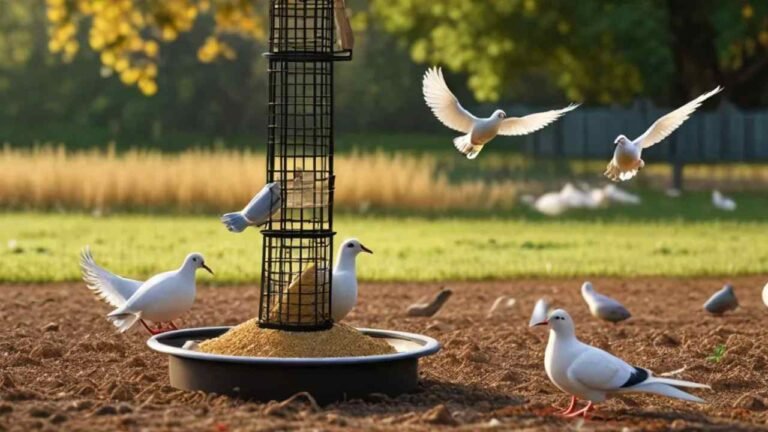
- NCWRC game lands with planted dove fields
These fields are commonly planted in millet, milo, sorghum, corn, or sunflowers and then mowed, harvested, or burned before opening day. - Public dove fields
These are often the most reliable places for opening-day action, especially when fresh seed is available and birds have been using the field regularly. - Permit-only dove hunts
Some North Carolina public fields require permits to reduce crowding and improve hunt quality. - National forest access areas
Pisgah, Nantahala, Croatan, and Uwharrie opportunities are usually best where national forest ground overlaps with game lands or nearby agricultural openings. - Wildlife refuges where hunting is permitted
Refuge opportunities are more limited and highly site-specific, so always check the individual refuge hunt plan before going.
The smartest move is to scout public options with the state’s dove-field map and then verify field condition, parking, and permit status before opening day.
🧠 Top Dove Hunting Tips
Here are 15 North Carolina-specific dove hunting tips:
- Scout managed game-land fields before opening day.
- Do not assume every planted field held up well after summer weather.
- Hunt the edges first, especially near power lines and tree lines.
- Focus on fields with freshly exposed seed.
- Expect the best early shooting around the first hour after legal light.
- Midday shade and water matter because North Carolina openers are often hot.
- Bring extra shells; North Carolina dove shoots can be fast and unforgiving.
- Wear light clothing, but never skip eye and ear protection.
- If hunting public fields, arrive early and pick a safe lane before crowds build.
- Respect spacing; crowded public dove fields can get unsafe quickly.
- Learn the no-Sunday migratory bird rule so you do not plan a wasted trip.
- Later splits can improve after cold fronts push birds into cut grain and roost corridors.
- Keep a dog hydrated; early-season heat is a real factor in North Carolina.
- If a field is permit-only, read every access rule before driving out.
- Use the second and third splits to find less-pressured birds after the opening-day rush.
If you also hunt neighboring states, compare timing with South Carolina Dove Season.
🔄 Recent Regulation Changes for 2026-2027
For doves, North Carolina’s 2026-2027 regulations appear substantially unchanged from the prior season structure.
The big 2026 headlines involved the broader federal migratory bird authorization process and some goose-season adjustments, not a major overhaul of dove rules. For North Carolina dove hunters, the important takeaways are:
- three dove splits remain in place
- bag limit remains 15
- possession limit remains 45
- Sunday migratory bird hunting remains prohibited
⚠️ Hunter Safety Tips
Dove season is fun, but it can also be chaotic.
- Keep muzzles up and pointed in a safe direction at all times
- Never swing through another hunter
- Wear eye protection
- Wear hearing protection
- Carry water in hot weather
- Watch dogs closely for overheating
- Positively identify every bird before shooting
- Pick up cripples quickly and hunt ethically
- Respect property lines and posted field rules
🐦 Common Dove Species Found in North Carolina
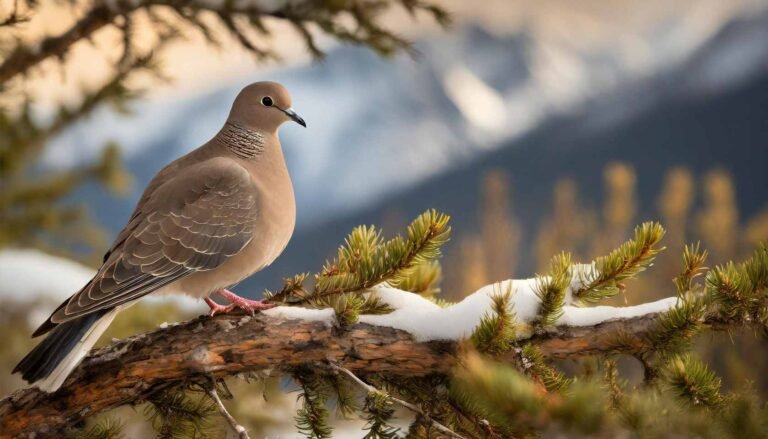
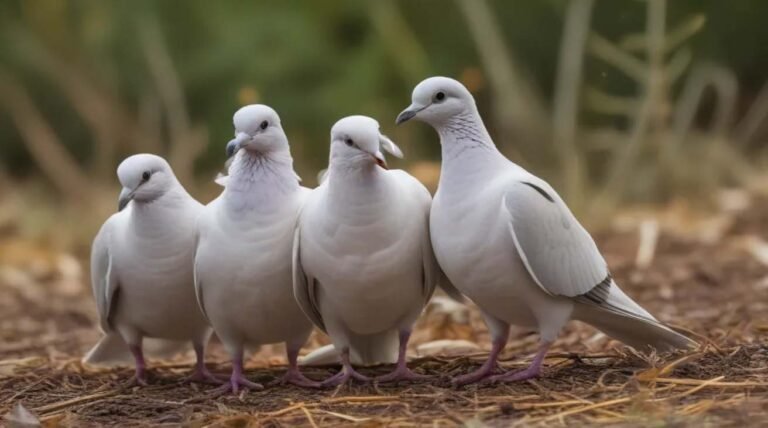
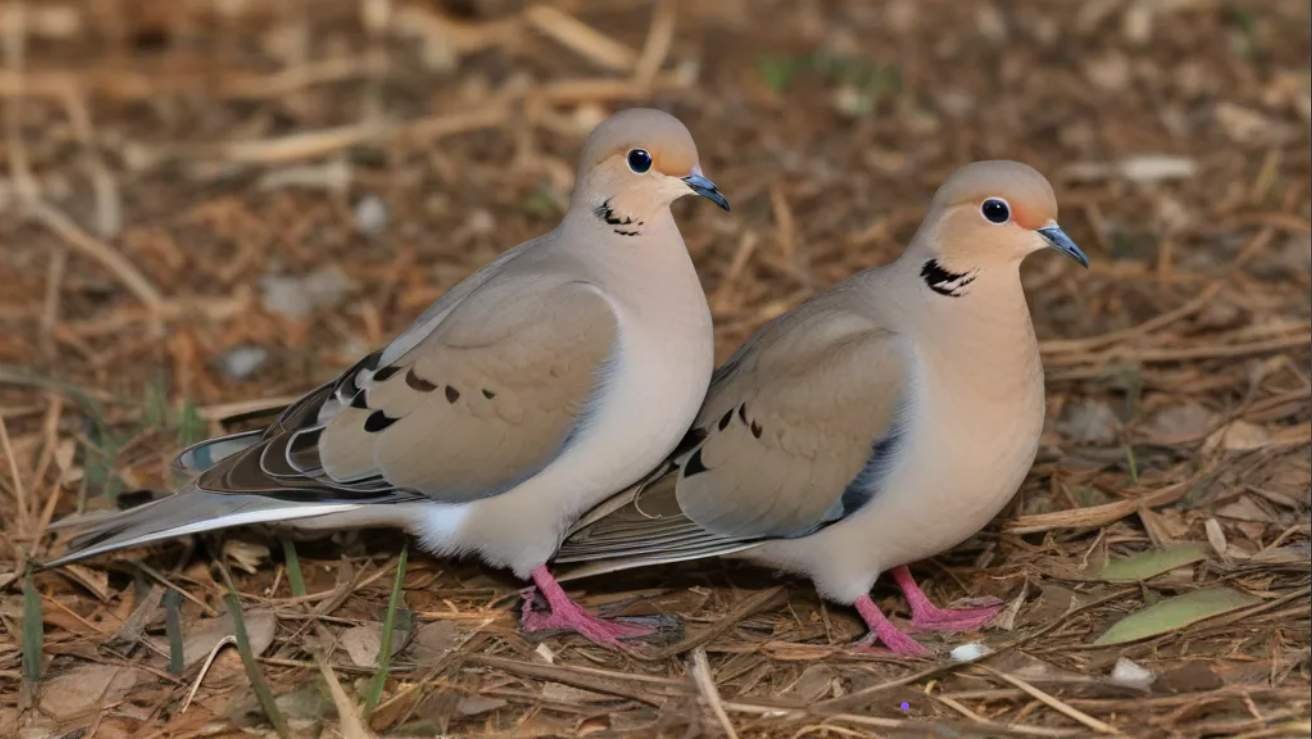
Mourning Dove
- Identification: Slim body, long pointed tail, soft brown-gray color
- Habitat: Farm fields, cut grain, field edges, utility lines
- Migration: Strong fall movement; local numbers shift with weather and pressure
- Best strategy: Hunt feeding fields and travel lanes between roosts and grain
White-winged Dove
- Identification: Larger, stockier look with bold white wing patches
- Habitat: Agricultural fields, suburban edges, open country
- Migration: Less common than mourning doves but present in the legal aggregate
- Best strategy: Watch for larger birds moving with mixed flocks
Eurasian Collared Dove
- Identification: Pale body, squared tail, black collar on the neck
- Habitat: Barns, silos, grain sites, rural communities
- Migration: Non-native and more local than migratory
- Best strategy: Only shoot after positive ID; do not confuse them with protected birds
❓ Frequently Asked Questions
Can you hunt doves on Sunday in North Carolina?
No. North Carolina prohibits hunting migratory game birds, including doves, on Sundays.
What is the daily bag limit for North Carolina dove season 2026-2027?
The daily bag limit is 15 doves for mourning and white-winged doves, either singly or in the aggregate.
What is the possession limit?
The possession limit is 45 doves.
Do I need HIP certification to hunt doves in North Carolina?
Yes, if you are a licensed migratory bird hunter. HIP is free. Hunters exempt from the hunting license requirement do not need HIP.
Do I need a Federal Duck Stamp for dove hunting?
No. A Federal Duck Stamp is for waterfowl hunting, not standard dove hunting.
Are white-winged doves included in the same limit as mourning doves?
Yes. North Carolina counts mourning and white-winged doves together in the same aggregate bag limit.
Are there dove hunting zones in North Carolina?
No. Dove season dates are statewide, although access rules can vary by property or permit area.
Can nonresidents hunt doves in North Carolina?
Yes. Nonresidents can use an annual hunting license or a 10-day nonresident hunting license, plus HIP certification.
Where should I hunt public-land doves in North Carolina?
Start with NCWRC-managed public dove fields and game lands. Many are planted specifically to attract mourning doves.
🏁 Final Thoughts
North Carolina Dove Season 2026-2027 is straightforward on paper but still rewards hunters who do the little things right. Know the three splits, stay inside the 15-bird limit, remember the no-Sunday rule, and scout public dove fields before you burn a trip. That simple preparation can turn an average hunt into a memorable opener.
Before you go, always double-check the latest rules with the North Carolina Wildlife Resources Commission regulations and keep an eye on broader migratory bird updates through the U.S. Fish & Wildlife Service migratory bird frameworks.