2026-2027 Nebraska Dove Game Participation: Early Fall Season Statewide
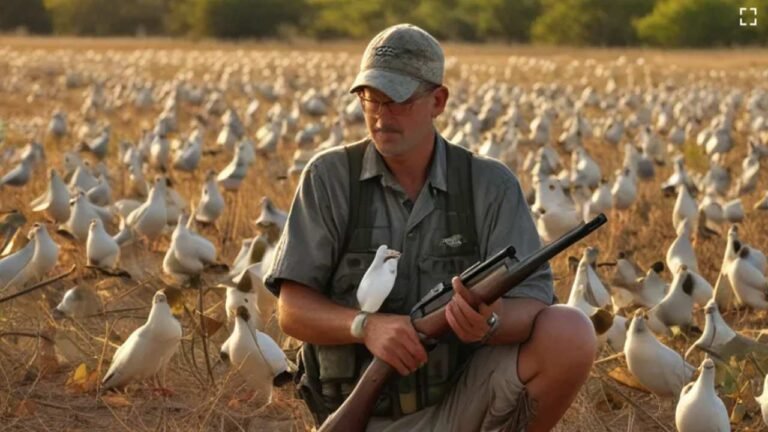
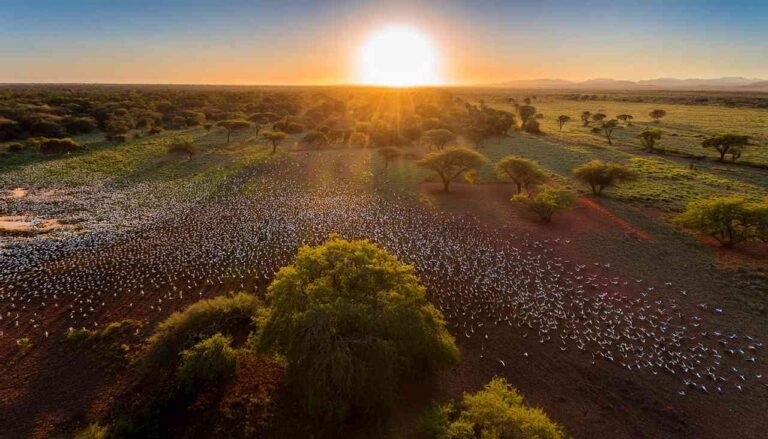
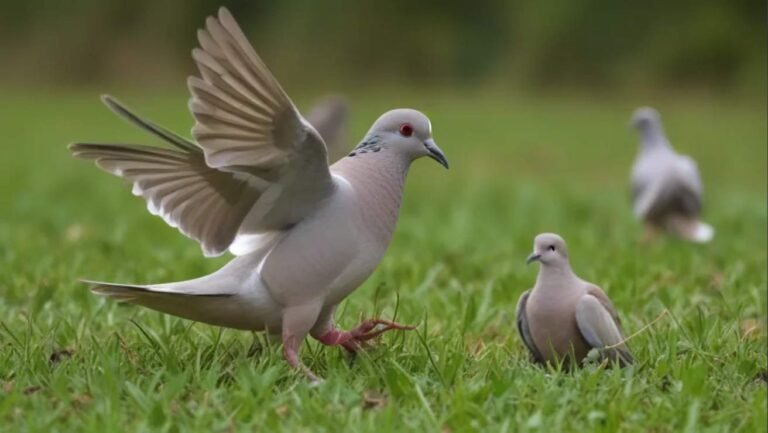
Nebraska keeps dove hunting refreshingly simple compared with many other states. For the 2026-2027 season year, the regular dove season is officially listed as September 1 through October 30, 2026, and it applies statewide rather than by separate dove zones. Hunters can expect classic early-season action around sunflower, millet, wheat, cut grain, stock ponds, shelterbelts, and travel corridors between feed and water. Mourning doves are the main target, white-winged doves are legal during the regular season, and Eurasian collared-doves are handled differently because Nebraska lists them as year-round open outside the regular dove framework.
Before you go, pay attention to the basics that matter most in the field: Nebraska permit requirements, HIP registration rules, bag limits, legal shooting hours, and baiting laws. Nebraska’s dove hunt is straightforward, but migratory bird rules are still strict. A plugged shotgun, good species ID, and careful field selection will save you trouble fast.
This guide is built from the current Nebraska Game & Parks hunting seasons information, Nebraska permit materials, and federal dove-hunting rules published by the U.S. Fish & Wildlife Service.
Quick Answer
Nebraska Dove Season 2026-2027 opens Sept. 1, 2026, and closes Oct. 30, 2026, statewide. The regular season covers mourning doves, white-winged doves, and Eurasian collared-doves during that window. The daily bag limit is 15 doves in aggregate, and the possession limit is 45 in aggregate. Legal shooting hours are 30 minutes before sunrise until sunset. Nebraska does not divide dove season into north, south, coastal, or split-zone structures the way some states do.
🗓️ Nebraska Dove Season 2026-2027 Overview
| Species | Season | Zone | Opening Date | Closing Date | Daily Bag Limit | Possession Limit | Status |
|---|---|---|---|---|---|---|---|
| Mourning Dove | Regular dove season | Statewide | Sept. 1, 2026 | Oct. 30, 2026 | 15 aggregate | 45 aggregate | Officially listed |
| White-winged Dove | Regular dove season | Statewide | Sept. 1, 2026 | Oct. 30, 2026 | 15 aggregate | 45 aggregate | Officially listed |
| Eurasian Collared-Dove | Regular dove season | Statewide | Sept. 1, 2026 | Oct. 30, 2026 | Counts in 15 aggregate | Counts in 45 aggregate | Officially listed |
| Eurasian Collared-Dove | Separate open status | Statewide | Year-round | Year-round | Check current annual guide when hunting outside regular season | Check current annual guide when hunting outside regular season | Officially listed as year-round open |
Key takeaway: Nebraska’s regular dove season is short, simple, and statewide. There are no split segments for dove and no separate mourning dove management zones inside the state.
Official Dove Season Dates
Nebraska’s official 2026 season listing shows:
- Mourning dove: Sept. 1-Oct. 30, 2026
- White-winged dove: legal during the same regular dove season
- Eurasian collared-dove: included in the regular Sept. 1-Oct. 30 dove season, and also listed separately as year-round open
That matters because many hunters see Eurasian collared-doves around grain bins, farmsteads, shelterbelts, and rural edges well outside the main opener. During the regular dove season, though, harvested collared-doves count toward the same aggregate dove limit.
Nebraska does not use split seasons for dove hunting, and it does not publish separate dove zones like some Southern and Atlantic states. If you are used to waterfowl-style zone charts, do not assume those apply here.
📍 Dove Hunting Zones in Nebraska
This section is short because Nebraska keeps it simple:
- No north zone
- No south zone
- No central zone
- No coastal zone
- No special dove management units listed statewide
For dove hunters, Nebraska is essentially a single statewide season structure. That is a major planning advantage. You can scout the Panhandle, Sandhills edge, Platte corridor, south-central grain country, or the southeast without worrying about a separate zone opener.
🎯 Daily Bag Limits
| Species | Daily Limit | Possession Limit | Special Rules |
|---|---|---|---|
| Mourning Dove | 15 in aggregate with other legal doves | 45 in aggregate | Main game species |
| White-winged Dove | Included in aggregate 15 | Included in aggregate 45 | Legal during regular season |
| Eurasian Collared-Dove | Included in aggregate 15 during regular season | Included in aggregate 45 during regular season | Listed year-round open outside regular season framework |
Nebraska’s bag structure is hunter-friendly, but remember one big detail: aggregate means all legal doves combined, not 15 of each species.
⏰ Legal Hunting Hours
Legal dove shooting hours in Nebraska are:
- 30 minutes before sunrise until sunset
There is no special noon opener listed for Nebraska doves in 2026. That gives hunters a strong first-hour window and a very good last-light window, especially around water, loafing trees, and cut grain.
Federal migratory bird rules still apply on top of state law. In plain English, that means:
- Hunt only during open hours.
- Hunt only during open season.
- Stop when you hit your bag limit.
- Retrieve birds promptly and avoid wanton waste.
🪪 Licenses Needed
Dove hunters in Nebraska need to match their paperwork to residency and age.
What most adult hunters need
- Nebraska small game hunt permit or eligible combo permit
- Habitat Stamp
- HIP registration number if hunting dove
- Hunter education proof if required by age
What is not required for dove-only hunters
- No Federal Duck Stamp
- No Nebraska Waterfowl Stamp
Those are waterfowl requirements, not standard dove requirements.
License and price summary
| Hunter Type | What You Need | Price Snapshot |
|---|---|---|
| Resident age 16+ | Small game permit or combo, Habitat Stamp, HIP | Current online pricing shows resident annual hunt permit around $20; verify before purchase |
| Nonresident age 16+ | Small game permit or combo or 2-day permit, Habitat Stamp, HIP | Current online pricing shows nonresident annual hunt permit around $128 and 2-day permit around $89; verify before purchase |
| Resident youth under 16 | No permit, no stamp, no HIP for dove | No-cost exemption |
| Nonresident youth under 16 | Nonresident youth hunt permit, Habitat Stamp, HIP | Verify current fee before purchase |
| Resident senior age 69+ | Eligible reduced-fee annual permit | $5 qualifying permit |
| Resident veteran age 64+ | Eligible reduced-fee annual permit | $5 qualifying permit |
| Deployed qualifying Nebraska military | Special reduced-fee annual combo option | $5 qualifying permit |
Important exemption details
- Resident youth under 16 do not need permit, stamps, or HIP for dove.
- Nonresident youth under 16 are not exempt the same way; they need the youth permit, Habitat Stamp, and HIP.
- Hunters ages 12 through 29 need proof of firearm hunter education while hunting with a firearm, unless covered by Nebraska’s apprentice rules.
🔫 Legal Hunting Methods
Nebraska and federal migratory bird law focus heavily on fair chase and baiting compliance.
Shotguns
A shotgun is the standard dove gun. Nebraska’s dove materials do not create a special dove-only gauge rule, but federal migratory bird law does require the gun to be plugged so it cannot hold more than three shells total.
Plug requirements
This is mandatory. If your shotgun can hold more than three shells without a proper plug, it is illegal for dove hunting.
Nontoxic shot requirements
Nebraska does not present a blanket statewide nontoxic-shot rule for all dove hunting. However, nontoxic shot is required on federal Waterfowl Production Areas, national wildlife refuges, and some state wildlife areas. Always read the site-specific rules before you hunt public land.
Doves in flight
Nebraska’s annual dove guidance states that doves must be shot while in flight. Ground-swatting is not the game here.
Retrievers and decoys
Retrieving dogs and simple decoy setups are common-sense, practical tools for Nebraska doves. They help most around water, tree lines, field corners, and crossing routes.
Electronic calls
Electronic calling is not a standard Nebraska dove tactic. If you plan to use any electronic aid, verify the current-season rules first rather than assuming it is fine.
Baiting laws
This is where hunters get into trouble. You may not hunt doves over a baited area. Federal rules also keep a baited area closed to dove hunting for 10 days after all bait is removed. Fields manipulated under normal agricultural practice can be legal; fields baited to attract birds are not.
Motor vehicles
You may not hunt migratory birds from or by means of a motor vehicle or aircraft, except under narrow disability-related exceptions recognized under federal law.
🌾 Best Places to Hunt Doves in Nebraska
Nebraska Game and Parks specifically notes that sunflower, millet, and wheat plantings can create good dove hunting and that annual planted “dove fields” are identified in the state’s mourning dove fact sheet.
Strong places to start include:
- Wildlife Management Areas (WMAs): Focus on WMAs with grain strips, field edges, stock water, and loafing trees. Nebraska manages more than 250 WMAs statewide.
- Open Fields and Waters (OFW) walk-in lands: Great option if you want private-land style habitat without knocking on doors.
- Public Access Atlas tracts: One of the best planning tools in the state for finding legal access fast.
- Sandhills reservoir country: Areas around Merritt Reservoir WMA, Calamus Reservoir WMA, Goose Lake WMA, and Smith Lake WMA are worth scouting where water, feed, and roost cover come together.
- Southeast grain country WMAs: Check places like Branched Oak WMA, Pawnee WMA, and Table Rock WMA where agriculture and tree lines create natural dove travel lanes.
- Nebraska National Forest units and adjacent public access: Useful for mixed public access hunts, especially where nearby agriculture gives birds a reason to move.
- National wildlife refuge and federal production areas where hunting is allowed: Always check area-specific rules first, and expect nontoxic-shot requirements on many of these lands.
🧠 Top Dove Hunting Tips
Here are 15 Nebraska-specific tips that actually help:
- Scout water first, especially in hot early-September weather.
- Watch evening flight lines into stock ponds and shelterbelts.
- Hunt the downwind side of sunflower or millet strips.
- In Nebraska’s open country, sit where birds must cross a fenceline gap.
- Do not crowd a popular public field; doves flare hard under pressure.
- On opener, arrive early enough to claim a safe edge, not the center.
- In the Sandhills, water plus lone trees often matters more than grain alone.
- In the southeast, prioritize cut grain near powerlines.
- If birds skirt your setup twice, move 40 yards instead of waiting an hour.
- Carry more shells than you think you need, but keep shots disciplined.
- Use a stool or bucket; Nebraska stubble gets tiring fast.
- Wear light brush colors, not bright field clothes.
- Mark every downed bird immediately; short grass can still hide them.
- Midday scouting can be as important as morning shooting.
- If a field goes dead, switch to a pond, tank, or shaded loafing line for the evening.
📝 Recent Regulation Changes for 2026-2027
For Nebraska dove hunters, the overall season structure appears substantially unchanged in 2026:
- statewide regular season
- no dove zones
- 15-bird daily aggregate limit
- 45-bird possession limit
- 30-minutes-before-sunrise to sunset shooting hours
The bigger recent change is on the federal administrative side. In 2026, the U.S. Fish and Wildlife Service moved toward a more efficient multi-year authorization process for migratory game bird hunting, while still making annual harvest decisions. For hunters on the ground, that should not change the core Nebraska dove experience this fall.
🦺 Hunter Safety Tips
Dove hunting is relaxed, but accidents happen quickly.
- Keep muzzles high and controlled in group hunts.
- Never swing through another hunter.
- Wear eye and hearing protection every trip.
- Carry extra water; Nebraska openers can still feel like summer.
- If you bring a dog, give it shade, water, and short retrieves early.
- Identify birds carefully before mounting the gun.
- Pick up empties and downed birds.
- Respect private boundaries even when birds cross them.
🕊️ Common Dove Species Found in Nebraska
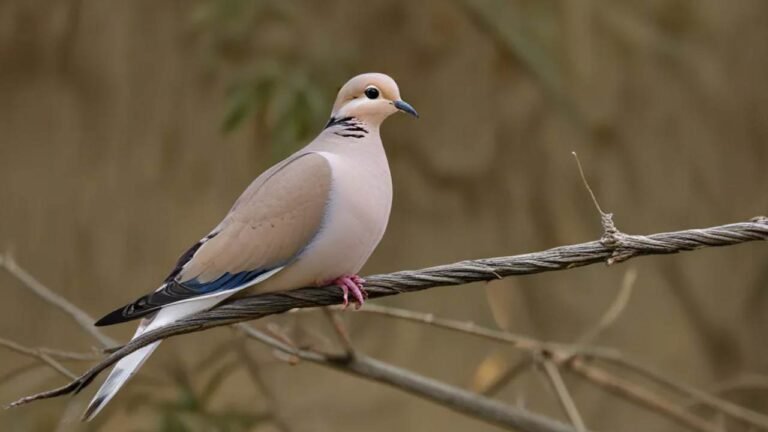
Mourning Dove
Identification: Slim body, pointed tail, fast darting flight.
Habitat: Grain fields, shelterbelts, ponds, farm edges, small trees.
Migration: Main migratory dove most hunters will see.
Best strategy: Set up on feeding-to-water routes or field corners.
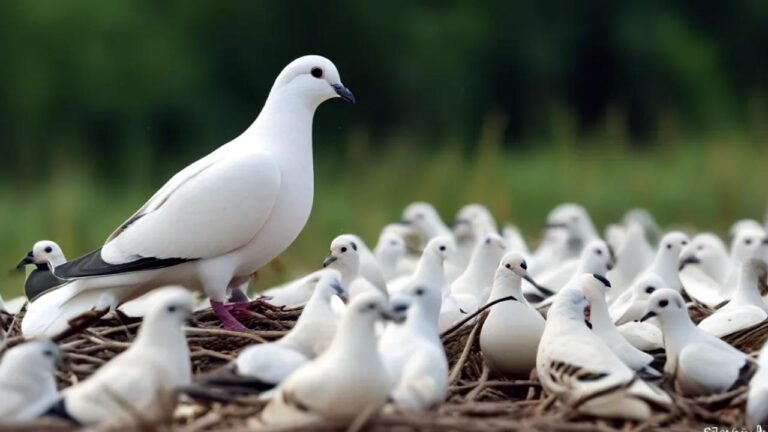
White-winged Dove
Identification: Larger, broader look, bold white in the wing.
Habitat: Less common in Nebraska; usually shows up around agricultural or developed edges.
Migration: Occasional visitor compared with mourning doves.
Best strategy: Treat them like mourning doves, but confirm ID before shooting.
Eurasian Collared-Dove
Identification: Bigger body, squared tail, pale color, black neck collar.
Habitat: Grain bins, farmsteads, towns, feedlots, rural buildings.
Migration: Non-migratory and established.
Best strategy: Scout barns, pivots, and edges of small towns where birds commute to feed.
❓ Frequently Asked Questions
Can you hunt doves all over Nebraska?
Yes. Nebraska’s regular dove season is statewide, not split into separate dove zones.
When does Nebraska dove season open in 2026?
It opens September 1, 2026.
What is the daily dove limit in Nebraska?
The daily bag limit is 15 doves in aggregate.
What is the possession limit?
The possession limit is 45 doves in aggregate.
Are white-winged doves legal in Nebraska?
Yes. They are legal during the regular dove season.
Are Eurasian collared-doves open year-round in Nebraska?
Yes, Nebraska lists Eurasian collared-doves as year-round open, but during the regular dove season they count toward the aggregate dove limit.
Do I need HIP for dove hunting in Nebraska?
If you are required under your residency/age class, yes. Adult hunters hunting doves need HIP. Resident youth under 16 are exempt, but nonresident youth under 16 are not.
Do I need a Federal Duck Stamp to hunt doves in Nebraska?
No. That stamp is for waterfowl, not standard dove hunting.
Can I hunt doves over a mowed or manipulated field?
Possibly, if the field was handled under normal agricultural practice. But hunting over a baited area is illegal.
What is the best public-land option for dove hunting?
Start with Nebraska’s WMAs, OFW walk-in lands, and the Public Access Atlas, then narrow it down by scouting water, grain, and roost cover.
Final Thoughts
Nebraska Dove Season 2026-2027 is one of those hunts that rewards simple, disciplined preparation. The dates are straightforward, the state uses a clean statewide structure, and the limit is generous enough to give hunters a real chance at fast shooting when birds are moving. The keys are not complicated: hunt legal fields, know your paperwork, keep your gun plugged, and scout water, grain, and flyways instead of just showing up on opener.
If you hunt near state lines too, a useful related read is Kansas Dove Season Guide.