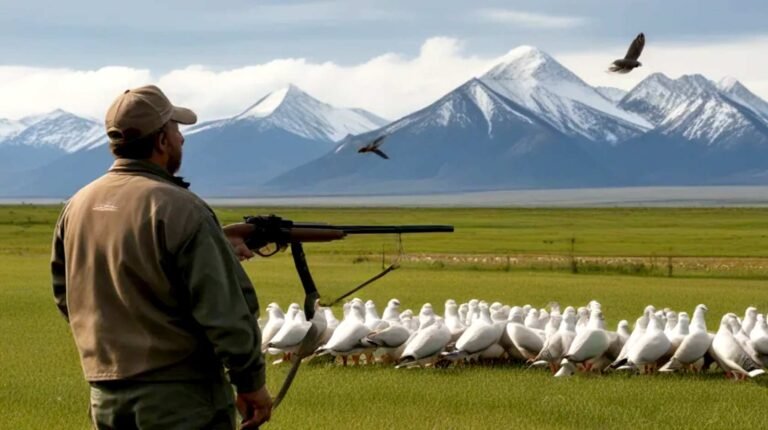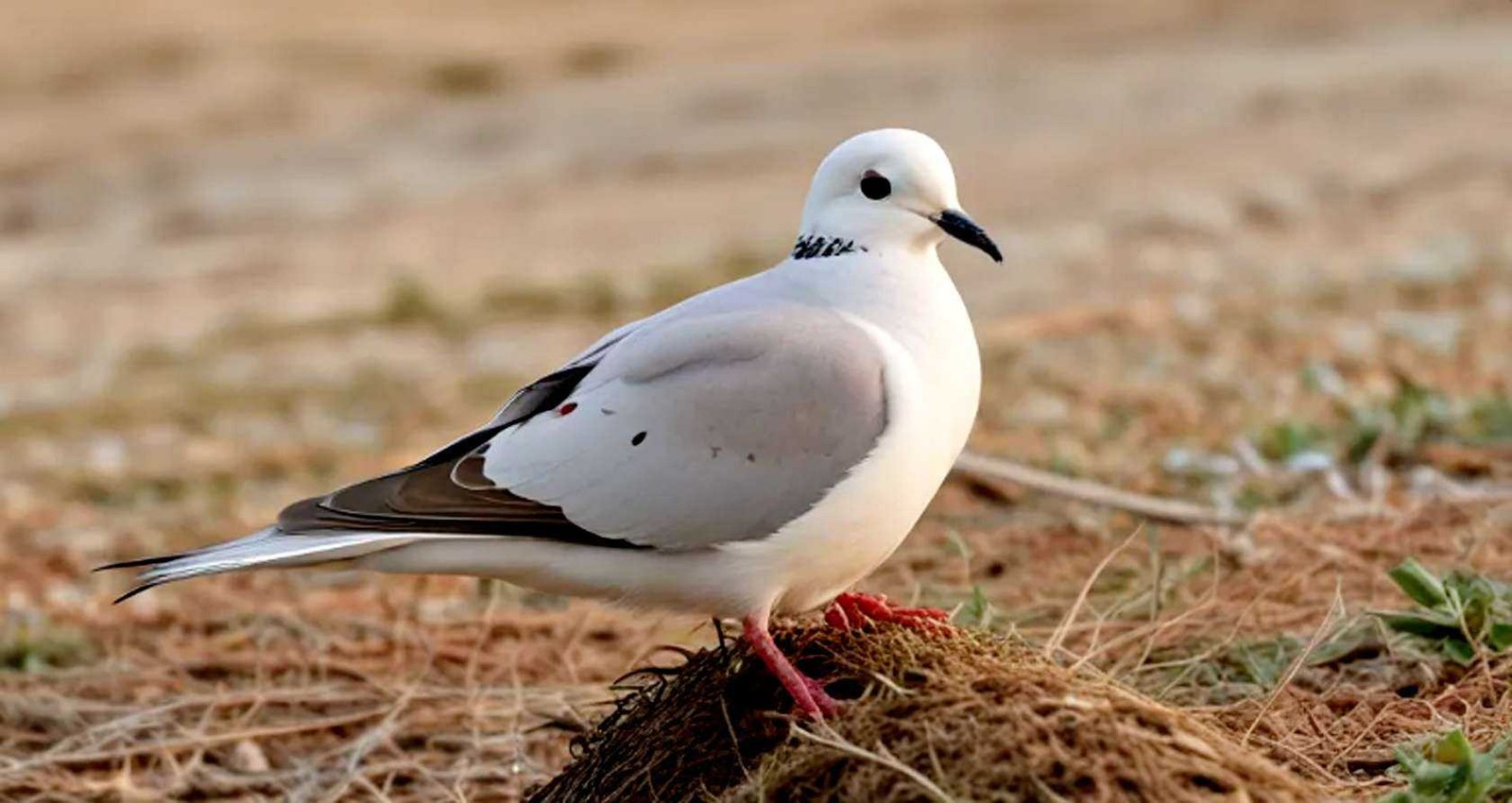
Unveiling Florida’s Dove Opportunities 2026-2027
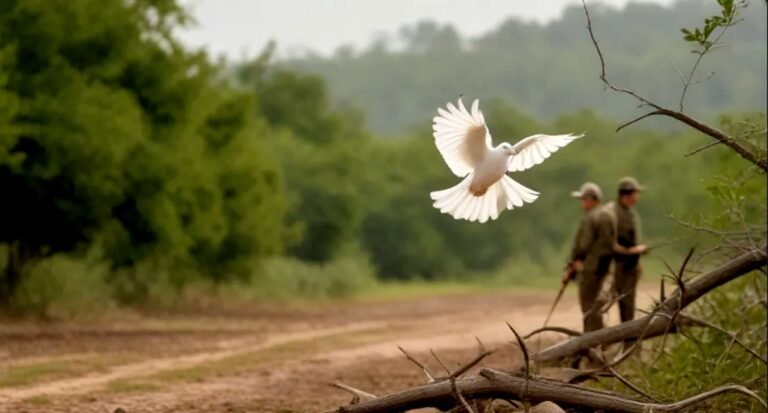
Florida dove season is one of the Sunshine State’s most anticipated autumn traditions, and the 2026-2027 schedule is already shaping up to deliver excellent wingshooting action across the state. Whether you’re a seasoned gunner or a first-timer lining up on a public dove field, knowing the official dates, bag limits, license requirements, and zone rules before you head out makes all the difference.
This past season, hunters across Florida enjoyed a three-phase dove season that ran from late September through the end of January. The 2026-2027 framework follows a similar structure, with mourning and white-winged doves sharing a combined daily bag limit of 15 birds. You’ll need a valid Florida hunting license along with a no-cost migratory bird permit (HIP certification) to participate legally. Season dates are set statewide—Florida doesn’t carve the dove calendar into separate zones like some other southern states—but wildlife management areas may have their own special hunt dates and permit requirements.
Below, you’ll find everything pulled from the latest official Florida Fish and Wildlife Conservation Commission (FWC) publications and current federal migratory bird frameworks, broken down so you can plan your season with confidence.
⚡ Quick Answer
Florida Dove Season 2026-2027 runs in three phases: September 26–October 18, 2026; November 14–December 6, 2026; and December 19, 2026–January 31, 2027. The daily bag limit is 15 mourning and white-winged doves combined, with a possession limit of 45. Shooting hours are one-half hour before sunrise to sunset statewide. A Florida hunting license and free migratory bird permit (HIP) are required.
📊 Florida Dove Season 2026-2027 Overview
Florida’s dove hunting season is established within the federal migratory bird hunting framework set by the U.S. Fish & Wildlife Service and then implemented statewide by the FWC. Unlike deer or turkey, dove seasons in Florida are not split by geographic zone—the same dates apply whether you’re hunting in the Panhandle or down in South Florida.
Here’s a quick snapshot of what to expect this season:
| Species | Season | Zone | Opening Date | Closing Date | Daily Bag Limit | Possession Limit | Status |
|---|---|---|---|---|---|---|---|
| Mourning Dove | Phase 1 | Statewide | Sept. 26, 2026 | Oct. 18, 2026 | 15 (combined) | 45 | ✅ Confirmed |
| Mourning Dove | Phase 2 | Statewide | Nov. 14, 2026 | Dec. 6, 2026 | 15 (combined) | 45 | ✅ Confirmed |
| Mourning Dove | Phase 3 | Statewide | Dec. 19, 2026 | Jan. 31, 2027 | 15 (combined) | 45 | ✅ Confirmed |
| White-winged Dove | All Phases | Statewide | Same as above | Same as above | Included in 15 | Included in 45 | ✅ Confirmed |
| Eurasian Collared-Dove | Year-round (private land) | Statewide | No closed season | No closed season | No limit | No limit | ✅ Exotic species |
These dates are drawn directly from the FWC’s 2026-2027 migratory bird season framework, as published on the FWC Migratory Bird Hunting Regulations page. At the time of writing, these dates have been officially posted by the agency for the upcoming season.
📅 Official Dove Season Dates
Florida splits its dove season into three distinct phases, giving hunters opportunities from early fall through mid-winter. This structure aligns with federal frameworks that allow up to 90 total dove hunting days within an outside-date window set by the U.S. Fish & Wildlife Service Migratory Bird Program.
Phase 1: September 26 – October 18, 2026
This is the grand opening. Early season action is typically the hottest of the year because resident dove populations are at their peak, birds haven’t faced hunting pressure yet, and agricultural fields across North Florida and the Panhandle are freshly harvested or mowed. Expect crowded public fields on opening day, especially at popular WMAs.
Phase 2: November 14 – December 6, 2026
The second phase arrives after a brief closure period. By mid-November, some northern migrants have moved into Florida, supplementing local birds. Weather fronts can push new flights of mourning doves into the state, particularly into agricultural areas and natural openings near water sources.
Phase 3: December 19, 2026 – January 31, 2027
The holiday season phase runs through the end of January and often produces steady shooting as wintering doves concentrate around reliable food and water. Cooler temperatures make for comfortable hunting conditions, and late-season birds tend to follow predictable flyways between roosting thickets and feeding areas.
Mourning Dove
The mourning dove is the primary quarry for most Florida dove hunters. It’s included in all three phases with the same bag limits statewide. These birds are found throughout Florida year-round, with northern migrants boosting numbers during the later phases.
White-winged Dove
White-winged doves are included in the same season framework and bag limits as mourning doves. While more common in South Florida and the southwestern U.S., their range in Florida has been expanding. They count toward your combined daily bag of 15 birds.
Eurasian Collared-Dove
This non-native species has established itself throughout Florida and is classified as an exotic. On private land, Eurasian collared-doves may be taken year-round with no bag limit, provided you have a valid hunting license. On wildlife management areas, check the specific WMA brochure—some areas allow them only during established dove seasons. If you’re planning a trip across the border, the Georgia Dove Season guide covers similar regulations for neighboring hunters.
🗺️ Dove Hunting Zones in Florida
Here’s where Florida differs from states like Texas or Alabama: Florida does not divide its dove season into geographic zones. The season dates, bag limits, and shooting hours apply uniformly across all 67 counties.
However, Florida does maintain four hunting zones (A, B, C, and D) for resident game species like deer, turkey, and wild hogs. These zones don’t affect dove hunting dates, but they’re worth knowing because many WMAs fall within specific zones that may have different general hunting schedules overlapping with dove season.
What Florida does have for dove hunters are special management units—specifically, designated public dove fields on select wildlife management areas. These areas operate under their own rules:
- Quota permits are required for scheduled dove hunts at Caravelle Ranch, Frog Pond, Hilochee, and Punta Gorda
- Dove Club permits grant season-long access to specific dove fields
- Walk-in access is available at some public dove fields on a first-come basis
- WMA brochures outline field-specific rules, hunt days, and shooting hours
Always check the individual WMA brochure before heading out, as field conditions and access rules can change between seasons. You can find more details through the Florida Dove Hunting Season resource page.
🎯 Daily Bag Limits
| Species | Daily Limit | Possession Limit | Special Rules |
|---|---|---|---|
| Mourning Dove | 15 | 45 | Combined with white-winged doves |
| White-winged Dove | Included in 15 | Included in 45 | Combined with mourning doves |
| Eurasian Collared-Dove | No limit | No limit | Exotic species; year-round on private land |
The daily bag limit of 15 doves is the combined total for mourning and white-winged doves. You can shoot any mix of the two species, but you can’t exceed 15 birds in a single day. The possession limit is set at three times the daily bag, which means you can legally have up to 45 doves in your freezer or in transit.
If you harvest Eurasian collared-doves during the regular dove season, they do not count toward your 15-bird daily limit on private land. However, you must still comply with all licensing and method-of-take requirements.
⏰ Legal Hunting Hours
Florida’s dove shooting hours follow the federal migratory bird framework:
- Statewide (private land): One-half hour before sunrise to sunset for all three phases
- Managed WMA dove fields: Some fields restrict Phase I hunting to afternoon-only (noon to sunset)—always confirm in the WMA brochure
- Sunrise/sunset times: Vary by location and date; use a reliable sunrise-sunset table for your specific hunting area
The half-hour-before-sunrise start gives you a brief window of low light, but most dove action happens in the first two hours after sunrise and again in the last two hours before sunset. Plan your setup accordingly.
One important note: these hours apply specifically to migratory game birds like doves. General hunting hours in Florida extend to one-half hour after sunset, but dove hunters must stop at sunset.
📜 Licenses Needed
Florida keeps dove hunting licensing relatively straightforward, but you need to have the right documentation before you pull the trigger.
License Requirements Summary
| License/Permit | Resident Cost | Nonresident Cost | Required for Dove Hunting? |
|---|---|---|---|
| Annual Hunting License | $17.00 | $151.50 (annual) / $46.50 (10-day) | ✅ Yes |
| Migratory Bird Permit (HIP) | Free | Free | ✅ Yes |
| Management Area Permit | $26.50 | $26.50 | Only for WMA hunting |
| Dove Permit (limited entry) | Free to apply | Free to apply | Only for quota dove fields |
| Federal Duck Stamp | $25.00 | $25.00 | ❌ Not required for doves |
What You Need on Private Land
At minimum, every dove hunter in Florida needs:
- A valid Florida hunting license (resident or nonresident)
- A migratory bird permit (free, includes HIP registration)
The Harvest Information Program (HIP) certification is built into the migratory bird permit. When you purchase your license online through GoOutdoorsFlorida.com or at a tax collector’s office, you’ll be asked a few survey questions about your previous season’s harvest. This data helps wildlife managers track migratory bird hunting activity nationwide.
What You Need on WMAs
If you’re hunting on a wildlife management area, add:
- Management area permit ($26.50)
- Dove permit (if hunting a quota field—free to apply but limited in availability)
Exemptions
- Youth under 16: No hunting license required, but must be supervised by a licensed adult
- Florida residents 65 and older: Free Senior Citizen Hunting and Fishing Certificate covers license and permit requirements
- Active-duty military stationed in Florida: Treated as residents for license purchases, including spouses and dependent children in the household
- Disabled residents: May qualify for a free Resident Disabled Person’s Hunting and Fishing License
- Children under 16 hunting on private land with parental consent: License-exempt
Nonresidents 16 or older must purchase a nonresident hunting license—either the annual ($151.50) or 10-day option ($46.50). The migratory bird permit is still required at no additional cost.
🔫 Legal Hunting Methods
Dove hunting in Florida is governed by both state and federal equipment rules. Here’s what’s legal and what’s not:
Shotguns
- Shotguns are the only legal firearm for dove hunting
- Must be plugged to hold a maximum of three shells (magazine plus chamber)
- Any gauge from .410 up to 12-gauge works, though most hunters prefer 12-gauge or 20-gauge
- No automatic or semi-automatic firearms capable of holding more than three shells without a plug
Shot Types
- Lead shot is legal for dove hunting in Florida (unlike waterfowl, which requires nontoxic shot)
- Common shot sizes: #7.5 or #8 for mourning doves, #7 or #7.5 for white-winged doves
- Always confirm shot restrictions on specific WMAs—some areas may impose nontoxic shot rules
Retrievers and Decoys
- Dogs: Legal and encouraged for retrieving downed doves
- Decoys: Legal, including spinning-wing decoys on private land
- Electronic calls: Legal for dove hunting in Florida, though many hunters prefer pass-shooting over calling
Baiting Laws
Federal baiting regulations apply in Florida. You cannot hunt doves over a baited area—meaning grain, salt, or other feed has been placed to attract birds. However, normal agricultural practices are exempt. This includes:
- Harvesting crops (grain fields, sunflowers, millet)
- Mowing or bush-hogging agricultural fields
- Planting and harvesting in accordance with standard agricultural practices
- Manipulating standing crops (rolling, discing) to expose seed
The key distinction is that the agricultural activity must be a genuine farming practice, not a scheme to concentrate doves for shooting. If you’re hunting a leased field or public dove field managed by FWC, the agency ensures these fields comply with baiting regulations.
Motor Vehicle Restrictions
- You cannot shoot from a motor vehicle or boat under power
- Vehicles must be parked at designated areas on WMAs
- Roads and trails on WMAs may have restrictions—consult the area brochure
📍 Best Places to Hunt Doves in Florida
Florida offers a mix of public dove fields, wildlife management areas, and private land opportunities. Here are some of the top destinations:
Caravelle Ranch WMA (Putnam County)
One of Florida’s premier public dove hunting destinations, Caravelle Ranch features three managed dove fields totaling approximately 125 acres. The FWC plants these fields with dove-friendly crops like millet and sunflowers. A Dove Club permit grants season-long access, with 30 permits available each year.
Frog Pond Public Small-Game Hunting Area (Miami-Dade County)
Located in South Florida, Frog Pond offers dove hunting along with waterfowl and snipe opportunities. The area provides access to levees and managed fields, making it a solid option for hunters in the southern part of the state.
Hilochee WMA (Lake County)
Hilochee’s 58-acre dove field in Central Florida is managed specifically for dove hunting. With 15 Dove Club permits available, it’s a smaller, more intimate field that draws consistent bird traffic. The central location makes it accessible from Orlando, Tampa, and Gainesville.
Punta Gorda (Charlotte County Area)
This Southwest Florida location offers scheduled dove hunts with limited entry permits. It’s a good option for hunters along the Gulf Coast who want managed field access without traveling to North Florida.
Koon Farm Dove Field (Lafayette County)
Part of Florida’s public dove field program, Koon Farm provides walk-in hunting access in North Florida’s agricultural belt. This area benefits from surrounding farmland that naturally attracts doves.
Private Agricultural Land
Don’t overlook private land opportunities. North Florida’s agricultural regions—particularly around harvested corn, peanut, and sunflower fields—offer some of the state’s best dove hunting. Always secure landowner permission before hunting private property.
💡 Top Dove Hunting Tips
- Scout before opening day. Drive potential fields a week ahead to identify where doves are feeding and flying. Look for birds moving between roosting thickets and cut agricultural fields.
- Set up with the sun at your back. This puts the birds crossing in front of you in good light while keeping you hidden in shadow.
- Watch the wind. Doves typically fly into the wind when approaching a feeding area. Position yourself downwind of their approach path for the best crossing shots.
- Bring plenty of shells. Doves are fast, erratic flyers. Most hunters go through two to three boxes of shells per hunt. Bring more than you think you’ll need.
- Use modified or improved cylinder chokes. Dove shots are typically 25–35 yards, so a tight full choke isn’t necessary. Open chokes give you a wider, more forgiving pattern.
- Hunt the first and last two hours. Doves feed most actively early morning and late afternoon. Midday lulls are common, especially during warmer early-season phases.
- Wear lightweight camo. September dove hunts in Florida mean heat and humidity. Breathable, light-colored camouflage keeps you comfortable and concealed.
- Pack hydration and sun protection. Florida’s early season temperatures can hit the 90s. Bring plenty of water, wear a wide-brim hat, and use sunscreen.
- Use a bucket or stool seat. You’ll be sitting for long stretches. A comfortable seat keeps you ready for incoming birds without fatigue.
- Identify your birds before shooting. Mourning doves, white-winged doves, and Eurasian collared-doves all share habitat. Know the visual differences to stay within regulations.
- Pick up your empty shells. Leaving hulls and trash on public dove fields is a quick way to lose access. Pack out everything you bring in.
- Communicate with neighboring hunters. On crowded public fields, establish safe shooting zones with hunters on either side of you. Never shoot at low-flying birds over another person’s position.
- Bring a retrieving dog. A well-trained dog saves time and reduces cripple losses, especially in tall grass or thick cover where downed birds are hard to find.
- Switch fields if action slows. If doves stop coming to your spot after the first hour, they may have shifted to a different feeding area. Don’t be afraid to relocate.
- Hunt midweek when possible. Public dove fields see heavy pressure on weekends. Tuesday through Thursday typically offer lighter crowds and less-educated birds.
- Watch for water sources during dry spells. During Phase 1, afternoon heat can push doves to water before returning to feed. Setting up near a stock pond or creek crossing can produce excellent pass-shooting.
📰 Recent Regulation Changes for 2026-2027
The FWC has approved several rule changes for the 2026-2027 hunting season, though most don’t directly impact dove hunters. Here’s what’s new:
New Public Hunting Areas
Three new wildlife management areas have been established:
- Catlett WMA — 1,563 acres in Clay County
- Creek Ranch WMA — 1,342 acres in Polk County
- Lochloosa Slough WMA — 5,247 acres in Alachua County
While these areas are primarily managed for deer and other resident game, they add to Florida’s public land portfolio and may develop dove hunting opportunities in future seasons.
Crossbow and Airbow Expansion
Crossbows and airbows are now allowed during archery/muzzleloading gun season on 24 North Florida WMAs. This doesn’t affect dove hunting directly, but it’s a significant regulatory shift worth noting if you participate in multiple hunting seasons.
Camp Blanding Access
All hunters and visitors to Camp Blanding must now obtain a new landowner-issued access permit. If you’ve historically hunted dove fields or other game on this military installation, check the updated requirements before planning your trip.
Dove-Specific Regulations
Dove hunting regulations remain substantially unchanged for 2026-2027. Season structure, bag limits, shooting hours, and license requirements carry over from the previous season. The three-phase format with a combined 15-bird daily limit and 45-bird possession limit continues unchanged.
🦺 Hunter Safety Tips
Dove hunting is generally low-risk, but Florida’s conditions and crowded public fields demand attention to safety:
Firearm Safety
- Always treat every firearm as if it’s loaded
- Keep your safety on until you’re ready to shoot
- Never shoot at low-flying birds over another hunter’s position
- Maintain awareness of where other hunters are positioned at all times
Heat Safety
Florida’s September dove hunts can be dangerously hot. Drink water before, during, and after your hunt. Watch for signs of heat exhaustion: dizziness, nausea, excessive sweating, and weakness. If you feel overheated, find shade and hydrate immediately.
Dog Safety
If you bring a retriever, bring water for them too. Hot ground can burn paw pads, and dogs can overheat quickly in Florida’s humidity. Take frequent breaks and monitor your dog for signs of distress.
Eye and Hearing Protection
Falling pellets from other shooters are a real hazard on crowded dove fields. Wear shooting glasses and hearing protection every time you hunt—no exceptions.
Bird Identification
Before pulling the trigger, confirm you’re looking at a legal species. Mourning doves, white-winged doves, and protected non-game birds like ground doves can share the same habitat. When in doubt, don’t shoot.
Ethical Hunting
Respect bag limits, retrieve every downed bird, and leave your hunting area cleaner than you found it. Ethical behavior keeps public dove fields open and maintains a positive image of the hunting community.
🕊️ Common Dove Species Found in Florida
Mourning Dove
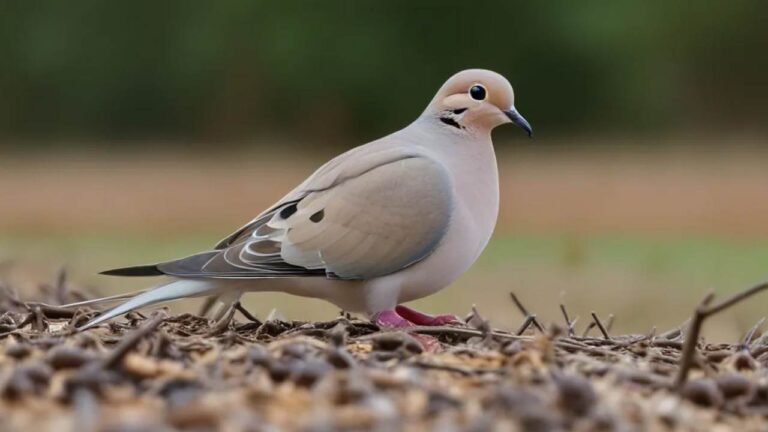
Identification: Slim, gray-brown body with a long, pointed tail. Black spots on the wings are visible in flight. Their call is a soft, mournful “coo-ah, coo, coo.”
Habitat: Found statewide in open fields, agricultural land, pasture edges, and suburban areas. They prefer bare ground for feeding and nearby trees or wires for perching.
Migration: Florida has both resident and migratory mourning doves. Northern birds begin arriving in October and November, boosting populations through the later season phases.
Best Strategy: Set up along flyways between roosting areas and feeding fields. Pass-shooting over cut grain fields or mowed dove fields is the most effective method.
White-winged Dove
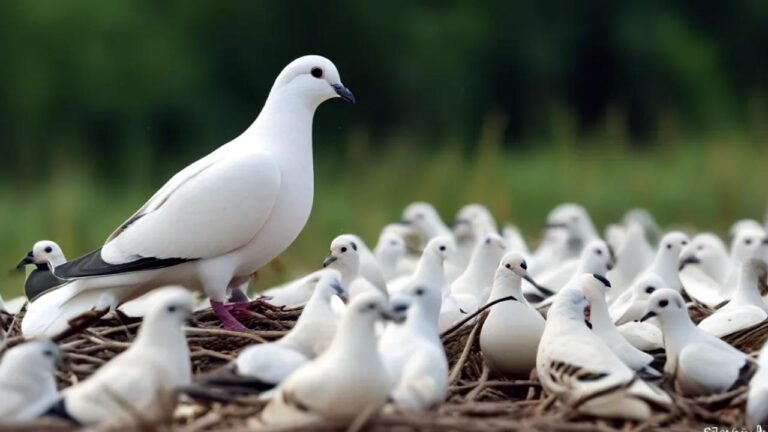
Identification: Larger than the mourning dove with a distinctive white stripe along the wing edge visible in flight and at rest. Their call is a deeper “who-cooks-for-you” hoot.
Habitat: More common in South Florida, particularly around suburban areas, citrus groves, and mesquite habitats. Their range has been expanding northward in recent years.
Migration: Some white-winged doves are resident in South Florida, while others migrate from the southwestern U.S. and Mexico.
Best Strategy: Target areas with mature trees near water sources. White-winged doves tend to fly higher and faster than mourning doves, so be ready for longer shots.
Eurasian Collared-Dove
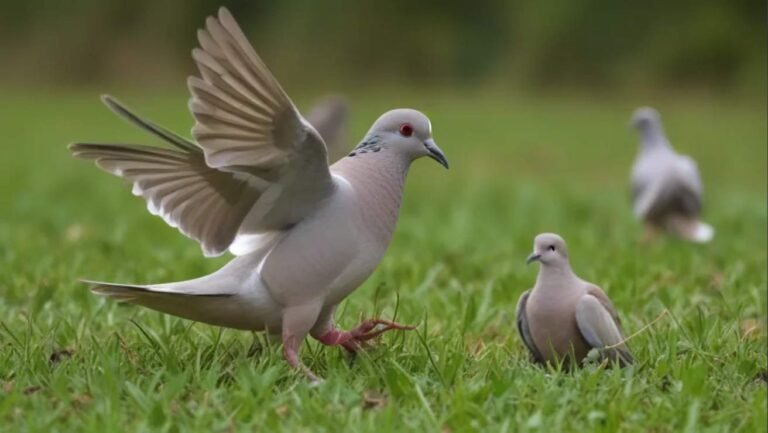
Identification: Significantly larger than a mourning dove, with a pale gray-tan body, dark half-collar on the back of the neck, and a squared-off tail (not pointed).
Habitat: Highly adaptable. Found in suburban areas, farms, and around human habitation throughout Florida. They’ve spread rapidly since their introduction to the state.
Migration: Non-migratory. They maintain year-round territories and don’t follow seasonal movement patterns.
Best Strategy: Since they’re an exotic species with no closed season on private land, you can target them year-round. They respond well to decoys and tend to be less wary than native doves.
❓ Frequently Asked Questions
When does dove season start in Florida for 2026-2027?
Florida’s dove season opens Saturday, September 26, 2026, with the first phase running through October 18. The season is divided into three phases, with the final phase closing on January 31, 2027.
What is the daily bag limit for doves in Florida?
The daily bag limit is 15 mourning and white-winged doves combined. The possession limit is 45 birds. Eurasian collared-doves do not count toward this limit when taken on private land.
Do I need a special permit to hunt doves on Florida WMAs?
Yes. In addition to a hunting license and migratory bird permit, you need a management area permit to hunt on any WMA. For specific dove fields like Caravelle Ranch, Frog Pond, Hilochee, and Punta Gorda, you may also need a Dove Permit obtained through the FWC’s limited entry system.
Can I hunt doves over a baited field in Florida?
No. Hunting over a baited area—where grain or feed has been placed to attract doves—is illegal under federal law. However, you can hunt over fields where normal agricultural practices like harvesting, mowing, or planting have occurred.
Are lead shot legal for dove hunting in Florida?
Yes. Lead shot is legal for dove hunting in Florida, unlike waterfowl hunting which requires nontoxic shot. Check specific WMA regulations, as some areas may have additional restrictions.
What time can I start shooting doves in Florida?
Legal shooting hours for doves are one-half hour before sunrise to sunset statewide. On some managed WMA dove fields, Phase I may be restricted to afternoon-only hunting (noon to sunset). Always verify hours in the WMA brochure.
Can youth hunters participate without a license?
Yes. Children under 16 do not need a hunting license in Florida, but they must hunt under the supervision of a licensed adult. They are still required to follow all bag limits and hunting regulations.
Is the Eurasian collared-dove considered a game bird in Florida?
Eurasian collared-doves are classified as an exotic species, not a regulated migratory game bird. On private land, they can be taken year-round with no bag limit using a valid hunting license. On WMAs, check the area brochure for specific rules.
How do I get a Dove Club permit in Florida?
Dove Club permits are available through the FWC’s limited entry permit system. Application periods are announced on the FWC website, and applications are free to submit. Permits are awarded through a random drawing for specific dove fields.
Where are the best public dove fields in Florida?
Top public dove fields include Caravelle Ranch WMA (Putnam County), Frog Pond (Miami-Dade County), Hilochee WMA (Lake County), and Koon Farm (Lafayette County). These fields are managed by the FWC with planted crops designed to attract doves.
🎯 Final Thoughts
Florida’s 2026-2027 dove season offers something for every wingshooter—whether you’re lined up on a managed public field opening morning or pass-shooting a private agricultural edge during the holiday phase. The three-phase structure gives you plenty of opportunities from late September through the end of January, and the statewide 15-bird daily limit provides generous action when the birds are flying.
Before you head out, double-check your licenses, confirm your field’s regulations, and make sure your shotgun is plugged and ready. Regulations can shift between seasons, and WMA-specific rules often differ from statewide frameworks. The FWC website is your most reliable source for last-minute updates and field conditions.
Dove hunting in Florida is as much about the experience—the early morning setup, the camaraderie on a crowded field, the satisfaction of a clean shot on a fast-flying bird—as it is about the harvest. Take the time to scout, respect your fellow hunters, and enjoy one of the most social and accessible hunting traditions the Sunshine State has to offer.
Always verify current regulations with the FWC before hunting. Season dates, bag limits, and rules are subject to change.