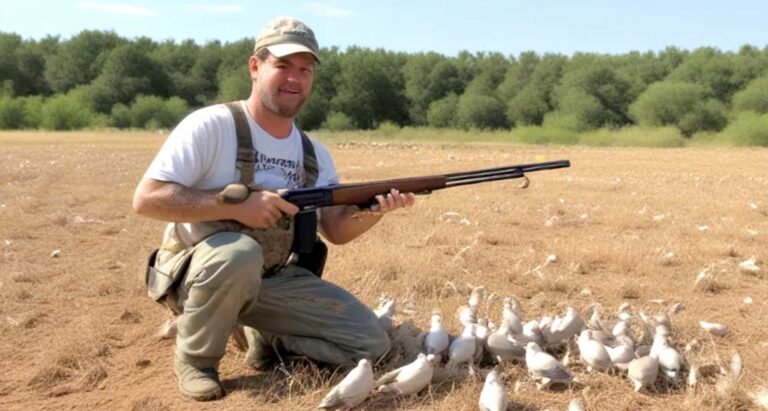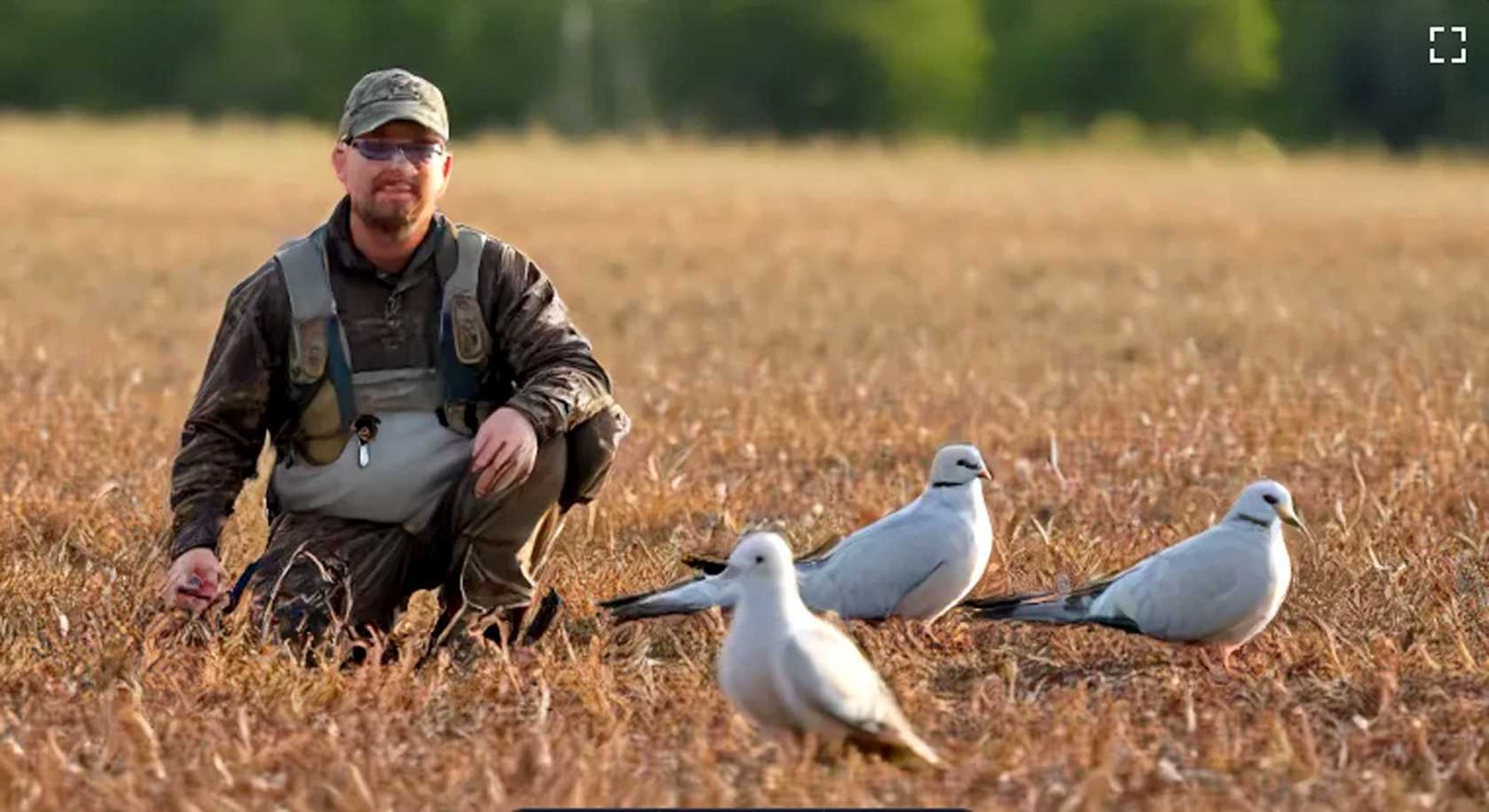
Plan Your Delaware Dove Trip: 2026-2027 Regulations & Season Dates
Dove season is one of the first real signs that fall hunting has arrived in Delaware. Every year, hunters across the First State gear up for opening day in early September, when mourning doves pour into cut sunflower fields and agricultural edges in search of seed. The Delaware dove season 2026-2027 follows the state’s traditional three-split framework, with an early September opener, a brief Thanksgiving window, and a long late-season stretch running into the end of January.
Whether you’re a seasoned wingshooter or a first-time dove hunter looking to get into the action, this guide breaks down everything you need to know — official season dates, bag limits, license requirements, legal hunting methods, public land opportunities, and more. All information here is drawn from the latest regulations published by the Delaware Division of Fish and Wildlife (DNREC) and current U.S. Fish and Wildlife Service migratory bird frameworks.
At the time of writing, final season dates for 2026-2027 have been officially released. The dates below reflect the approved framework published by DNREC. Always verify with official sources before heading afield, as minor adjustments can occur.
📋 Quick Answer
Delaware Dove Season 2026-2027 runs in three segments: September 1–27, 2026; November 23–29, 2026; and December 7, 2026–January 31, 2027. The daily bag limit is 15 mourning doves (in aggregate with white-winged doves), with a possession limit of 45. Legal shooting hours are from half an hour before sunrise to sunset. A Delaware hunting license and annual HIP number are required. Non-toxic shot is mandatory on State Wildlife Areas during September.
🦆 Delaware Dove Season 2026-2027 Overview
Delaware’s migratory bird hunting seasons are set annually by the DNREC Division of Fish and Wildlife within frameworks established by the U.S. Fish and Wildlife Service. For 2026-2027, Delaware continues its three-split dove season structure, which gives hunters three distinct windows of opportunity throughout the fall and winter.
The early September segment is by far the most popular. Doves are abundant, weather is warm, and the birds are concentrated on managed sunflower fields and recently harvested grain fields. The Thanksgiving split offers a quick mid-family-holiday shoot, while the long December-through-January segment caters to hunters willing to brave colder conditions for late-season birds holding in winter cover.
Here’s a quick snapshot of what to expect:
| Species | Season | Zone | Opening Date | Closing Date | Daily Bag Limit | Possession Limit | Status |
|---|---|---|---|---|---|---|---|
| Mourning Dove | Split (3 segments) | Statewide | Sept. 1, 2026 | Jan. 31, 2027 | 15 | 45 | ✅ Official |
| White-winged Dove | Included in aggregate | Statewide | Sept. 1, 2026 | Jan. 31, 2027 | In aggregate (15 total) | 45 | ✅ Official |
| Eurasian Collared Dove | No closed season | Statewide | Year-round | Year-round | No limit | No limit | ✅ Official |
📅 Official Dove Season Dates
Mourning Dove Season
Delaware’s mourning dove season is divided into three distinct segments:
- First Split (Early Season): September 1 – September 27, 2026
- Second Split (Thanksgiving Season): November 23 – November 29, 2026
- Third Split (Late Season): December 7, 2026 – January 31, 2027
This structure mirrors the framework DNREC has used in recent seasons and aligns with the approved 2026-27 proposal. The September opener is the highlight for most hunters, as dove populations are at their peak and birds are actively feeding in agricultural areas eRegulations.
White-winged Dove Season
White-winged doves are far less common in Delaware than mourning doves, but they occasionally appear as vagrants. Under federal framework rules, white-winged doves are included in the same aggregate daily bag limit as mourning doves — meaning you can harvest a combined total of 15 birds per day. There is no separate white-winged dove season; they’re legal during the same three splits.
Eurasian Collared Dove
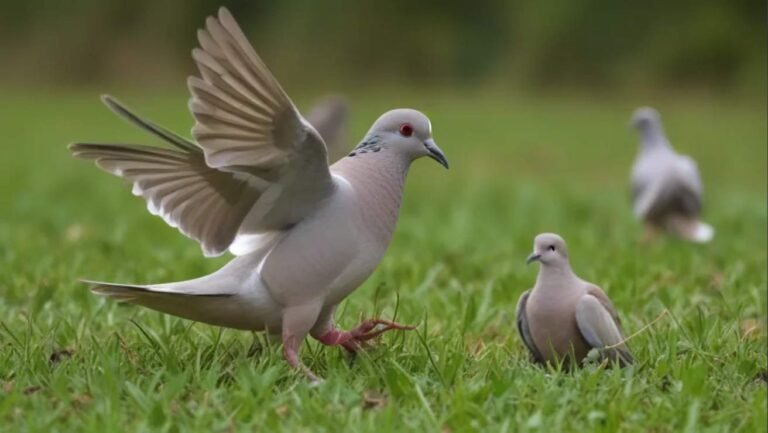
Eurasian collared doves are a non-native, invasive species and are not classified as a migratory game bird under federal frameworks. In Delaware, they may be taken year-round with no bag limit and no closed season, provided the hunter holds a valid Delaware hunting license. These birds are larger than mourning doves, with a distinctive black collar on the back of the neck and a squared-off tail rather than the pointed tail of a mourning dove.
🗺️ Dove Hunting Zones in Delaware
Unlike some states that divide dove hunting into north and south zones, Delaware manages dove hunting through a wildlife area zone system rather than broad geographic hunting zones. The entire state falls within a single dove hunting framework, but specific rules apply depending on which State Wildlife Area you’re hunting.
Here’s what you need to know:
- Zones 2, 3, and 8: Dove hunting is prohibited outside of designated regulated dove fields on these zones. If you’re hunting in these areas, you must be on a managed dove field — no exceptions.
- All other zones: Dove hunting is permitted in accordance with state and federal regulations from half an hour before sunrise to sunset.
- Regulated dove fields are typically planted with sunflowers or other seed-bearing crops and are managed specifically to attract doves. Some require a lottery permit for access, while others are open on a first-come, first-served basis DNREC.
This zone-based system means hunters need to check the specific wildlife area map and rules before heading out. What’s legal in one area may be restricted in another, even within the same county.
📦 Daily Bag Limits
| Species | Daily Limit | Possession Limit | Special Rules |
|---|---|---|---|
| Mourning Dove | 15 | 45 | Aggregate with white-winged doves |
| White-winged Dove | Included in 15-bird aggregate | 45 | Counts toward the same 15-bird daily limit |
| Eurasian Collared Dove | No limit | No limit | Non-native species; year-round, no closed season |
The daily bag limit of 15 mourning doves has remained consistent for years and mirrors the federal framework maximum. The possession limit is set at three times the daily bag, which gives hunters flexibility for multi-day hunts. Remember that the 15-bird daily aggregate includes any white-winged doves you might harvest — they don’t add to your limit, they count within it.
⏰ Legal Hunting Hours
Legal shooting hours for doves in Delaware are from half an hour before sunrise to sunset. This applies to all three season splits and is consistent with federal migratory bird hunting regulations.
Important Exceptions on State Wildlife Areas
Some managed dove fields have restricted afternoon-only hours during September:
- Lottery-permit dove fields (Cedar Swamp, Little Creek, Ted Harvey, Milford Neck, Assawoman): Hunting hours are typically 1:00 p.m. to 6:00 p.m. on Opening Day, Labor Day, and designated days in September.
- Open-access dove fields (Blackiston, Norman G. Wilder, Nanticoke, Midlands): Standard half-hour-before-sunrise to sunset hours apply.
Always check the posted rules at each wildlife area, as afternoon-only restrictions are enforced on specific fields during the early season.
🪪 Licenses Needed
Dove hunting in Delaware requires fewer stamps than waterfowl hunting, but you still need to cross every box. Here’s a breakdown:
Required for All Dove Hunters
| License / Permit | Resident Fee | Nonresident Fee | Notes |
|---|---|---|---|
| Delaware Hunting License (ages 16–64) | $39.50 | $199.50 | Required for all hunters 16+ |
| Junior Hunting License (ages 13–15) | $5.00 | $50.00 | Required for youth 13–15 |
| HIP Number | Free | Free | Must be renewed annually (July 1–June 30) |
| Conservation Access Pass | $32.50 (annual) | $65.00 (annual) | Required if parking a vehicle on State Wildlife Areas |
Not Required for Dove Hunting
- Federal Duck Stamp — only required for waterfowl hunters 16 and older
- Delaware Waterfowl Stamp — only required for waterfowl hunters
HIP Registration
The Harvest Information Program (HIP) is a free, mandatory federal program managed by the U.S. Fish and Wildlife Service. Every migratory bird hunter — including dove hunters — must obtain a new HIP number each year before heading afield. You can get yours through the Digital DNREC portal or by calling 1-855-335-4868. The number is valid from July 1 through June 30 and must be recorded on your hunting license.
Youth Exemptions
- Under age 13: May hunt without a license under direct supervision of a licensed adult 21 or older
- Ages 13–15: Must purchase a junior hunting license ($5.00 resident, $50.00 nonresident)
- Under 16: Exempt from state and federal waterfowl stamp requirements (though stamps aren’t needed for dove hunting anyway)
Senior Exemptions
Delaware residents 65 and older may hunt without purchasing a hunting license, but they must obtain a free License Exempt Number (LEN) and carry proof of age and residency. An optional Resident Senior Lifetime Conservation Access Pass is available for a one-time fee of $65.00.
Military Exemptions
Delaware offers several military-related license exemptions:
- Disabled veterans with 60% or more service-connected disability: hunt license-free with a LEN
- Recently discharged veterans (90+ consecutive days active duty in Operation Iraqi Freedom or Enduring Freedom): hunt license-free for 12 months following honorable discharge
- Active military stationed in Delaware: treated as residents for license purposes
- Military hospital inpatients: may hunt without a license with commanding officer authorization
Nonresident Options
Nonresidents have two main options:
- Annual Nonresident Hunting License: $199.50
- 3-Day Nonresident Small Game License: $75.00 — perfect for a weekend dove hunt
Hunter Education Requirement
Anyone born after January 1, 1967 must complete an approved hunter education course before purchasing a Delaware hunting license. A completed course from another state satisfies this requirement.
🔫 Legal Hunting Methods
Shotguns
Doves may only be hunted with a shotgun — no rifles, pistols, or archery equipment. The shotgun must be incapable of holding more than three shells total (one in the chamber, two in the magazine) unless it’s being used during the snow goose conservation order. Most semi-automatic and pump shotguns come with a factory plug that limits magazine capacity; if yours doesn’t, you’ll need to install one.
Gauge Restrictions
There’s no minimum or maximum gauge restriction for dove hunting in Delaware. Most hunters use 12-gauge or 20-gauge shotguns with improved cylinder or modified chokes. Sub-gauge shooters (28-gauge and .410) enjoy the challenge but should stick to closer shots.
Nontoxic Shot Requirements
Here’s a critical Delaware-specific rule: during the month of September, all hunters must use non-toxic shot when dove hunting on State Wildlife Areas. This means steel, bismuth, tungsten, or other approved non-lead alternatives. Lead shot is permitted on private land and during the later season splits (November and December–January) on state lands, but check regulations carefully before switching.
If you’re planning to hunt the September opener on any WMA, load up with steel or another approved non-toxic load before you go.
Baiting Laws
Federal baiting regulations apply. You cannot hunt doves over baited areas — fields where grain, salt, or other feed has been distributed to attract birds. Normal agricultural practices (planting, harvesting, or mowing) are legal, but manipulating crops solely to concentrate doves can cross the line. When in doubt, check the federal baiting guidelines published by the U.S. Fish and Wildlife Service.
Electronic Calls
Electronic or recorded calls are not permitted for dove hunting. Doves are hunted passively — you position yourself near feeding or flight areas and wait for birds to come to you.
Retrievers and Decoys
- Retrievers: Legal and highly recommended. A well-trained dog makes recovering downed birds far more efficient, especially in thick cover.
- Decoys: Legal. Dove decoys placed on fences, dead trees, or ground stakes can help draw passing birds into range.
Motor Vehicle Restrictions
It is illegal to shoot from, on, or across a public road. You also cannot use a motor vehicle to chase, herd, or drive doves. All shooting must be done on foot from a stationary position.
📍 Best Places to Hunt Doves in Delaware
Delaware offers excellent public land dove hunting opportunities across all three counties. DNREC manages numerous Wildlife Areas with planted dove fields, and the state has invested heavily in sunflower and seed-producing crop plantings specifically for dove hunters.
New Castle County
- Cedar Swamp Wildlife Area (Rocks and Daniels Tracts): Planted sunflower fields accessed by lottery permit only. Drawings held at noon on Opening Day, Labor Day, and weekends in September. Hours are 1–6 p.m. on designated days.
- C&D Canal Conservation Area: Open to dove hunting with no special permit required. Standard shooting hours apply.
- Augustine Wildlife Area: Open access dove hunting, no permits needed.
- Eagles Nest Wildlife Area: Open access dove hunting along the Delaware River corridor.
Kent County
- Little Creek Wildlife Area (Main Tract): Sunflower fields accessed by noon lottery at the Little Creek check station on Route 9. Open on Opening Day, Labor Day, and Wednesdays, Saturdays, and Sundays in September.
- Ted Harvey Conservation Area (Logan Lane and Buckaloo/Morris Tracts): Lottery-permit sunflower fields, same schedule as Little Creek.
- Milford Neck Wildlife Area (Penuel Tract): Another lottery-permit field tied to the Little Creek drawing.
- Blackiston Wildlife Area: Planted sunflower fields open without a lottery — first-come, first-served access.
- Norman G. Wilder Wildlife Area: Open-access sunflower fields off Ironmine Road. No permit required.
Sussex County
- Nanticoke Wildlife Area: Sunflower and corn fields planted specifically for doves. Open daily with no permits or check-in required. Located along the main road between Old Sharptown and Phillips Landing Roads.
- Assawoman Wildlife Area (Muddy Neck Tract): Sunflower fields on both sides of Double Bridges Road. Accessed by lottery permit at the Assawoman Lottery Station starting at noon on Opening Day, Labor Day, and Saturdays/Sundays in September.
- Midlands Wildlife Area: A newer dove field established along Womach Road, planted with a mix of seed-producing plants. Open daily, no permits required.
- All other Sussex County wildlife areas: Open to dove hunting with no permits, in accordance with state and federal regulations.
DNREC also notes that 19 WMA dove fields are available across the state on a first-come, first-served basis where lottery permits aren’t required.
🎯 Top Dove Hunting Tips
- Scout sunflower fields the week before opening day. Doves establish feeding patterns early, and birds you see during preseason scouting will likely be there on September 1st.
- Arrive early for lottery drawings. The Little Creek and Assawoman stations draw at noon — showing up at 12:05 means you’ve already missed your chance.
- Wear camo but keep your face shaded. Doves have excellent vision and will flare at movement and shiny faces. A face mask or camo cap makes a real difference.
- Set up on the downwind side of a feeding field. Doves typically land into the wind, so positioning yourself where birds approach head-on gives you the best passing shots.
- Use fence rows and dead snags as natural decoy anchors. Placing a few decoys on visible perches can pull birds from across a field.
- Bring plenty of shells — more than you think you’ll need. Doves are fast, erratic flyers, and even experienced shooters average several shots per bird. A box of 100 shells is a reasonable starting point for a full afternoon.
- Hunt the edges of cut corn and wheat stubble in the late season. December and January doves shift from sunflower to waste grain as food sources change.
- Pack water for yourself and your dog. September afternoons in Delaware can still hit the upper 80s, and heat exhaustion is a real risk during the early split.
- Practice your lead before opening day. Sporting clays or a quick round of skeed will shake off the rust. Doves demand a smooth swing and confident lead.
- Identify your bird before pulling the trigger. Mourning doves, white-winged doves, and Eurasian collared doves can overlap. Know the visual differences to stay legal.
- Don’t sky-bust. Passing shots at birds 50+ yards out rarely connect and educate the flock. Wait for birds to commit within 30–35 yards.
- Hunt the second split if you want fewer crowds. The Thanksgiving week window sees a fraction of the opening-day pressure, and birds are still around.
- Check crop harvest reports with local farmers. Private land access can produce phenomenal shooting if you find a freshly cut grain field with birds working it.
- Use a retrieving dog in thick cover. Downed doves vanish in soybean stubble and brush. A good dog saves birds and increases your effective bag.
- Keep your shotgun plugged. Conservation officers do check, and a three-shell limit is strictly enforced for migratory bird hunting.
- Buy your HIP number before you leave the house. It’s free and takes two minutes online, but getting caught without it can end your hunt — and your season — fast.
- Respect the September non-toxic shot rule on WMAs. Load steel or other approved non-lead shot before you step onto any state wildlife area during the early split.
📢 Recent Regulation Changes for 2026-2027
For the 2026-2027 season, Delaware’s dove hunting regulations remain substantially unchanged from recent years. The three-split season structure, 15-bird daily bag limit, and 45-bird possession limit all carry forward from the previous season.
DNREC did propose three season date options during the public comment period, with the selected option (September 1–27, November 23–29, December 7–January 31) matching the 2025-26 framework. A potential future change to September Teal Season boundaries was floated for public feedback, but that adjustment is explicitly noted as not being considered for 2026-27 and would take effect no earlier than the 2027-28 season.
The non-toxic shot requirement on State Wildlife Areas during September continues to be enforced, so hunters who are new to Delaware should take note if they’re used to hunting with lead shot on private land.
🛡️ Hunter Safety Tips
Firearm Safety
- Always treat every firearm as if it’s loaded
- Keep your muzzle pointed in a safe direction at all times
- Be certain of your target and what’s beyond it — dove fields often have other hunters nearby
- Unload your gun when crossing fences, ditches, or obstacles
Heat Safety
September dove hunting in Delaware can be brutally hot. Bring at least a gallon of water per person for a full afternoon hunt. Watch for signs of heat exhaustion: dizziness, nausea, excessive sweating, and rapid pulse. Take shade breaks and hydrate before you feel thirsty.
Dog Safety
If you’re running a retriever, carry extra water for them too. Dogs don’t sweat efficiently and can overheat quickly in warm September conditions. A portable dog bowl and a shaded crate or spot under a tree are essentials. Avoid working your dog during the hottest part of the afternoon.
Eye and Hearing Protection
Dove hunting means a lot of shooting in close proximity to other hunters. Always wear shooting glasses and hearing protection. A single afternoon of unplugged shotgun fire can cause permanent hearing damage.
Bird Identification
Know your doves. Mourning doves are the primary target, but white-winged doves and Eurasian collared doves may occasionally appear. Mistaking a protected species for a legal one — or vice versa — can lead to citations. When in doubt, let the bird pass.
Ethical Hunting
- Pick up your spent hulls — they’re litter and a hazard to wildlife
- Don’t shoot birds on the ground or sitting on wires
- Recover every bird you knock down
- Respect other hunters’ space and don’t crowd established setups
🐦 Common Dove Species Found in Delaware
Mourning Dove
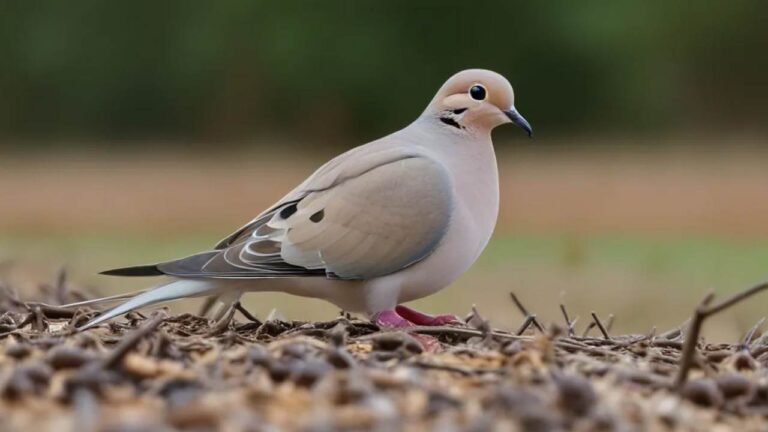
Identification: Slender, grayish-brown body about 12 inches long with a long, pointed tail. Black spots on the wings and a soft, mournful “coo-ah-coo-coo-coo” call. The most abundant and commonly hunted dove in Delaware.
Habitat: Open fields, agricultural lands, fencerows, and woodland edges. Heavily attracted to sunflower fields and cut grain stubble.
Migration: Some Delaware mourning doves are year-round residents, while northern migrants push through in September and October. Late-season birds tend to be migrants holding in winter cover.
Best Hunting Strategy: Set up near feeding fields in the afternoon when doves move from roosting areas to feed. Sunflower fields managed by DNREC are prime locations during the September split.
White-winged Dove
Identification: Slightly larger than the mourning dove with a distinctive white wing patch visible in flight. A squared-off tail rather than the mourning dove’s pointed tail.
Habitat: More typical of the Southwest, but occasional vagrants appear in Delaware during migration. Unlikely to be found in large numbers.
Migration: Irregular visitor to the Mid-Atlantic. If you see one, consider yourself lucky — but remember it counts toward your 15-bird aggregate daily limit.
Best Hunting Strategy: Treat them the same as mourning doves. If one appears over a sunflower field, it’s legal to harvest within your aggregate limit.
Eurasian Collared Dove
Identification: Larger than a mourning dove, pale grayish-brown overall with a conspicuous black half-collar on the back of the neck. Squared-off tail. Often found near human habitation.
Habitat: Expanding range across North America. In Delaware, most often seen around farmsteads, grain elevators, and suburban areas. Not typically found on managed WMA dove fields.
Migration: Non-migratory. Year-round resident wherever established.
Best Hunting Strategy: Since there’s no closed season and no bag limit, focus on areas near agricultural buildings and feed lots where they congregate. Always confirm identification before shooting, as they can resemble mourning doves at a distance.
❓ Frequently Asked Questions
When does dove season open in Delaware for 2026?
Dove season opens on September 1, 2026 in Delaware. This first split runs through September 27, followed by a Thanksgiving split (November 23–29) and a late split (December 7–January 31, 2027).
What is the daily bag limit for doves in Delaware?
The daily bag limit is 15 mourning doves (in aggregate with white-winged doves), with a possession limit of 45. Eurasian collared doves have no bag limit and no closed season.
Do I need a federal duck stamp to hunt doves in Delaware?
No. A federal duck stamp is only required for waterfowl hunters 16 and older. Dove hunters need a Delaware hunting license and a free HIP number, but no duck stamps.
Is non-toxic shot required for dove hunting in Delaware?
Yes, but only on State Wildlife Areas during the month of September. Lead shot is permitted on private land and during the November and December–January splits on state lands. Always carry steel or approved non-lead loads when hunting WMAs during the early season.
Can I hunt doves on public land in Delaware?
Absolutely. Delaware offers excellent public land dove hunting on Wildlife Areas across all three counties. Some fields require a lottery permit (Cedar Swamp, Little Creek, Ted Harvey, Assawoman), while others are open on a first-come, first-served basis (Blackiston, Norman G. Wilder, Nanticoke, Midlands).
Do youth hunters need a license to hunt doves in Delaware?
Youth under 13 can hunt without a license under direct supervision of a licensed adult 21 or older. Hunters 13–15 must purchase a junior hunting license ($5.00 resident, $50.00 nonresident). All youth hunters still need a HIP number.
What are the legal hunting hours for doves in Delaware?
Legal shooting hours are from half an hour before sunrise to sunset statewide. However, some lottery-permit dove fields on WMAs restrict hours to 1:00 p.m. – 6:00 p.m. during September — always check posted rules at each area.
Can I use a shotgun that holds more than three shells for dove hunting?
No. Federal regulations require shotguns to be plugged to a maximum capacity of three shells (one in the chamber, two in the magazine) for all migratory bird hunting, including doves.
Where can I get my HIP number in Delaware?
You can obtain your free HIP number online through the Digital DNREC portal or by calling 1-855-335-4868. The number is valid from July 1 through June 30 and must be renewed annually.
Are Eurasian collared doves legal to shoot in Delaware?
Yes. Eurasian collared doves are a non-native species with no closed season and no bag limit in Delaware. You must still hold a valid hunting license, but they do not count toward your 15-bird mourning dove daily limit.
🏁 Final Thoughts
The Delaware dove season 2026-2027 offers one of the best early-fall hunting opportunities on the East Coast. With a generous 15-bird daily limit, three well-spaced season splits, and dozens of managed public dove fields across the state, there’s something for every wingshooter — whether you’re chasing the opening-day rush in a sunflower field or picking off late-season birds over winter wheat stubble in January.
The keys to a successful season are simple: get your license and HIP number sorted early, load up with non-toxic shot if you’re heading to a WMA in September, scout your fields beforehand, and always verify the latest regulations with DNREC before you pull the trigger. Rules can shift from year to year, and the posted signs at each wildlife area are the final word on what’s legal there.
For more hunting season planning, check out our guides on Delaware Hunting Seasons 2026-2027 and dove hunting tips to round out your season prep. You can also explore federal migratory bird frameworks through the U.S. Fish and Wildlife Service for the broader regulatory picture.
Now go pattern your shotgun, pack your vest, and get ready for September 1st. The doves are waiting. 🦅