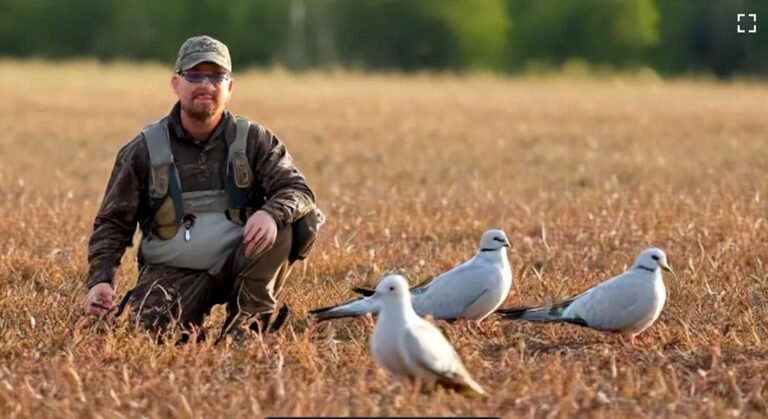
🕊️ Is Dove Hunting Legal in Alaska? 2026–2027 Season Update
Quick answer: No — there is no mourning dove or white-winged dove hunting season in Alaska for 2026–2027, because neither species has a huntable population in the state. Mourning doves are classified as “accidental” visitors in Alaska, while the Eurasian collared dove is an unprotected invasive that can be shot year-round wherever it appears (mainly Southeast Alaska towns) with a valid small-game license. If you want a true migratory upland-bird hunt in The Last Frontier, book a grouse, ptarmigan, or waterfowl hunt instead — and if you need a fixed September dove season, plan a trip to Washington or Idaho, both of which open early-September.
That’s the honest, regulation-driven answer most hunters are looking for. The rest of this guide unpacks why Alaska sits outside the mourning dove’s range, what a “collared dove = open season” exception really means, the state licenses and federal framework you must carry, and the best alternative small-game targets for the 2026–2027 season — plus a state-by-state table so you can decide where to chase September doves if Alaska isn’t an option.
Whether Dove Hunting Is Legal in Alaska — At a Glance
- Mourning dove (Zenaida macroura): Not legal to hunt — Alaska is outside the federal mourning dove zone and has no resident breeding population.
- White-winged dove (Zenaida asiatica): Not legal to hunt — the species does not occur in Alaska.
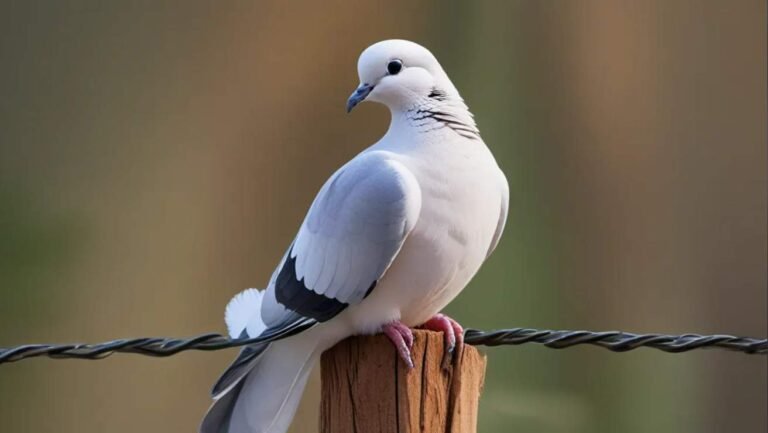
- Eurasian collared dove (Streptopelia decaocto): Legal to take year-round as an unprotected invasive species under Alaska small-game rules, but populations are tiny and concentrated in Southeast Alaska towns.
- Band-tailed pigeon (Patagioenas fasciata): Not in season — the U.S. Fish and Wildlife Service hunting framework allows only select western states to hunt this species, and Alaska is excluded.
- African collared dove / ringed turtle dove / spotted dove: Not legal — these are non-native exotic species not covered by the Alaska small-game list.
Why the Mourning Dove Doesn’t Appear in Alaska’s Migratory Game Bird List
The U.S. Fish and Wildlife Service sets dove hunting frameworks only for states inside the mourning dove’s managed breeding range. That range ends in southern Canada and skips Alaska entirely. The Alaska Department of Fish and Game 2026–2027 regulations list mourning doves as a “closed species” — meaning no season, no bag limit, no possession. Even if a stray bird wanders north from Nome to Anchorage, taking it is illegal because there is simply no open season to take it under.
2026–2027 Dove Status in Alaska — Printable Comparison Table
The table below is the fastest way to read the Alaskan dove situation. Save it to your phone before you drive north.
| Dove Species | Legal to Hunt in Alaska (2026–2027)? | Season | Bag Limit | Typical Range in Alaska | Hunter Notes |
|---|---|---|---|---|---|
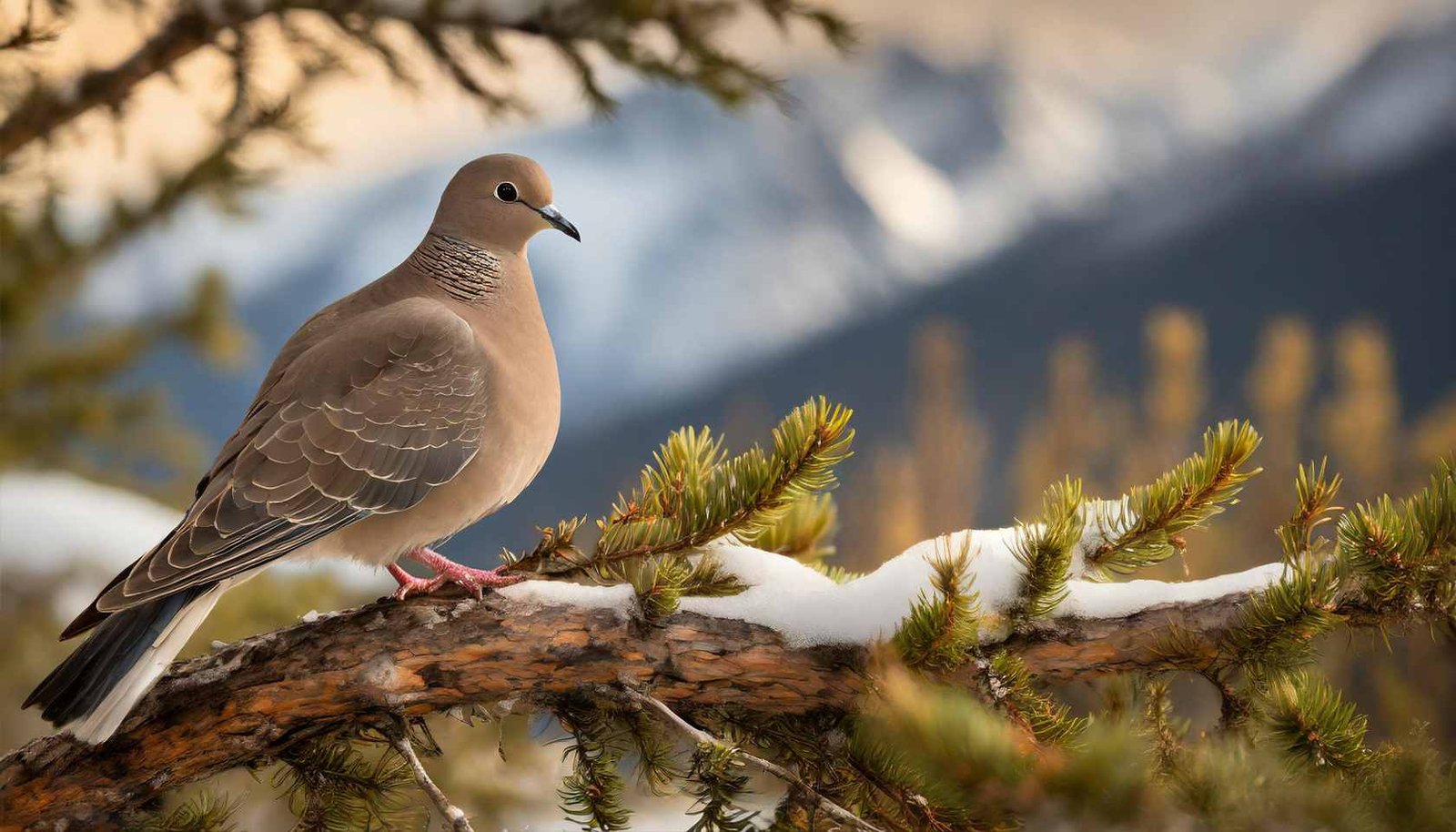
| Mourning Dove | No | None | None | Accidental visitor, mostly Seward Peninsula and Anchorage | Considered “accidental” outside Southeast; shooting one is unlawful. |
| White-winged Dove | No | None | None | Not present | Strictly a Southwest U.S. species; will not show up in Alaska. |
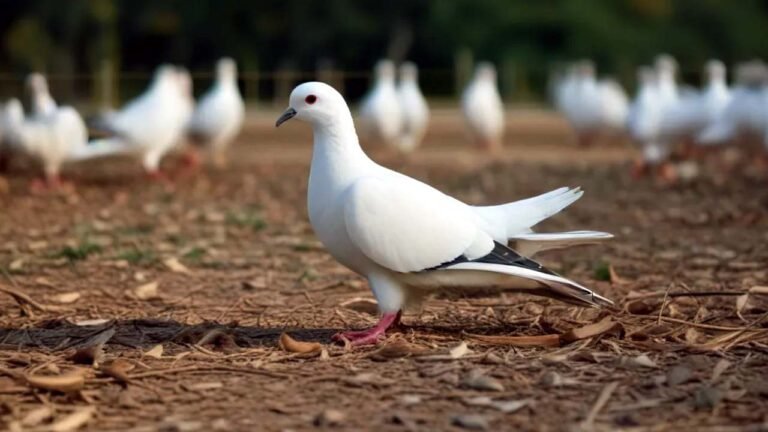
| Eurasian Collared Dove | Yes (treated as invasive / unprotected) | Year-round with valid small-game license | No set limit; consult current GMU rules | Ketchikan, Sitka, Juneau, Anchorage (rare) | Recognizable by black half-collar and white tail tip; not a managed game bird. |
| Band-tailed Pigeon | No | None | None | Not present | Only a handful of western states get an open season, and Alaska is not one of them. |
| Spotted Dove / Ring-necked Dove / Other Exotics | No | None | None | Pet-trade escapes only | Cannot be taken under any current Alaska hunting regulation. |
Doves That Have Actually Been Confirmed in Alaska
Wildlife biologists have documented only a handful of dove records up north. Knowing these helps you avoid an accidental violation.
1. Eurasian Collared Dove (Established, Limited Range)
- First Alaska sighting: Ketchikan, 2006
- Documented nesting communities: Ketchikan, Sitka, Juneau (first confirmed 2011, expanded by 2016)
- First Anchorage sighting: 2015
- Dispersal speed: ~150 miles per year northwest since Florida escape (1970s)
Because Alaska classifies it as a Deleterious Exotic Wildlife under state law, taking a Eurasian collared dove is allowed but not “managed.” That means no federal stamp applies, but your Alaska hunting license is still required.
2. Mourning Dove (Accidental / Stray Visitor)
- Considered “accidental” on the Seward Peninsula and most of mainland Alaska
- One confirmed Nome carcass record from 1965
- Periodic stray sightings in Anchorage, Homer (2014 overwintered on birdseed), and Nome following Pacific storms
- Population status: not a breeding species in Alaska
Mourning doves simply don’t breed in the state. No breeding = no population model = no dove-hunting framework.
3. White-winged Dove and Band-tailed Pigeon
Neither species has ever been confirmed in Alaska. Don’t expect one to walk onto your hunt.
Alaska Hunting Licenses & Federal Requirements (2026–2027)
Before chasing doves, collared or otherwise, every hunter — resident or non-resident — needs the documents listed below. Carry them physically; Alaska ADF&G and USFWS will check in the field.
| License / Stamp | Resident Cost (USD) | Non-Resident Cost (USD) | Required For Dove Hunting? |
|---|---|---|---|
| Alaska Hunting License | $50 | $160 | Yes, even for unprotected collared doves |
| Alaska Trapping License | $10 | Not sold to non-residents | No |
| Harvest Ticket / Locked-in GMU Permit | Free w/ hunting license | Free w/ hunting license | Required in certain GMUs |
| Federal Duck Stamp | $30 | $30 | Not required for collared doves (no federal framework) |
| Federal Migratory Bird HIP Certification | Free (online) | Free (online) | Required only if you hunt any migratory bird in Alaska (geese, ducks, snipe) |
| Non-Resident Annual Small-Game Locked-In Tag | N/A | $50 | Required for small-game species by tag |
Pro tip: Alaska’s small-game and upland-bird season runs August 10 through April 30 (depends on Game Management Unit). Hunting a collared dove outside that window is still allowed because of “unprotected species” status.
Eurasian Collared Dove — The Only Legal Dove Target in Alaska
This is the dove you can actually hunt. If you live in Southeast Alaska, set up near backyard bird feeders in Ketchikan, Sitka, or Juneau. Anchorage hunters should watch grain elevators and farm co-ops.
Best Hunting Practices for Collared Doves Around Towns
- Best time: Early morning, when birds leave night roosts in pairs or small groups.
- Best spots: Rooftops near bird feeders, parking lot grain spill zones, small park gazebos with millet offered for native birds.
- Best method: Pass-shooting with a 12-gauge and #7.5 or #8 shot. Spin-wing dove decoys (Mojo-style) work extremely well.
- Calling: Listen for the “coo-COO-coo” three-note call, distinctive from mourning doves.
- Field care: Eviscerate quickly; breast meat is dark and tender but slim, so plan on a double.
Identification Risks You Must Know
Misidentification is the #1 cause of Alaska dove violations. Always confirm these field marks:
| Field Mark | Mourning Dove | Eurasian Collared Dove |
|---|---|---|
| Tail Tip | White | Broad white band with black base |
| Neck Marking | None | Black half-collar outlined in white |
| Body Color | Soft tan-pink | Pale gray-buff |
| Wings | Black spots visible at rest | Uniform gray |
| Call | Long, mournful “coo-oo-oo” | Three-syllable “coo-COO-coo” |
When in doubt, don’t shoot. Mourning dove skulls leaked from jacketed loads and lead pellets could lead to fines under the Migratory Bird Treaty Act (~$15,000 maximum per offense) even when the shooter claims mis-ID.
Legal Alternative Dove-Style Hunts in Alaska (2026–2027)
If you came to Alaska chasing fast-flying birds over open ground, plan around these legal upland game options instead. Several of them behave like doves — flocks rising from the brush, fast low flight lines, and bird-dog work — and they are abundant, well-managed, and very huntable.
Top 5 Dove-Style Targets in Alaska
- Ruffed Grouse — Early-season drumming birds on quiet backroads; flushes close and flies low, like a giant dove.
- (Sharp-tailed) Grouse / Sooty Grouse — Spring dancing leks are the most photogenic small-game hunt in the state.
- Spruce Grouse — Tame, walk-up, boreal-forest classic. Limit 5 per day.
- Willow / Rock Ptarmigan — State bird hunt across open tundra; almost unlimited public land access.
- Sandhill Crane — Mid-September fields; bag limit 2 per day in most Southeast and Southcentral GMUs.
Quick Reference: Alaska Small-Game Daily Bag Limits (2026–2027)
Bag limits vary by Game Management Unit. Always confirm the GMU booklet before heading out.
| Species | Daily Bag | Possession | Open Season (typical) | Notes |
|---|---|---|---|---|
| Ruffed Grouse | 5 | 10 | Aug 10 – Mar 31 | Coverts statewide |
| Spruce Grouse | 5 | 10 | Aug 10 – Mar 31 | Boreal forest only |
| Sooty Grouse | 5 | 10 | Aug 10 – Mar 31 | Southeast AK |
| Sharp-tailed Grouse | 5 | 10 | Aug 10 – Mar 31 | Limited range |
| Ptarmigan | 20 | 40 | Aug 10 – Apr 30 | Statewide; easy limits |
| Snowshoe Hare | 5 | 10 | Year-round in most units | No license add-on |
| Sandhill Crane | 2 | 4 | Sep 1 – Aug 31 (varies) | Fed HIP cert required |
Closest States With a Real Mourning Dove Season (2026–2027)
If you really want a 15-bird mourning-dove opener, Alaska is the wrong state. The table below shows the nearest options for a Lower-48 dove hunt that pairs well with an Alaska trip.
| State | Typical Mourning Dove Opener | Daily Bag | Top Public Hunting Access | Quick Look |
|---|---|---|---|---|
| Washington | Sept 1 | 15 | Columbia Basin dryland farms | Washington dove season guide |
| Idaho | Sept 1 | 15 | Snake River irrigated cropland | Idaho dove season guide |
| Oregon | Sept 1 | 15 | Willamette Valley agricultural grass | See full state list of Oregon dove season |
| Montana | Sept 1 | 15 | Eastern Montana grain fields | Montana dove season guide |
Cross-link: To compare every Western option, browse the Oregon dove season overview — it’s a useful planning tool when mapping a fall trip from Alaska south.
Hunter Compliance Checklist — Alaska Dove and Dove-Adjacent Hunts (2026–2027)
Run through this list before you walk into the field. Every item works for a legal Alaskan dove hunt.
- ✔ Valid Alaska hunting license (printed or electronic) on your person
- ✔ 2026–2027 Alaska Hunting Regulations booklet for the GMU you’ll be hunting
- ✔ Federal HIP certification (free, online) if you’ll later chase ducks or geese
- ✔ Nontoxic shot for any migratory species (dove shot not federally regulated, but lead shot is recommended against at most ranges)
- ✔ Spent shells collected — carry out all hulls on national forests
- ✔ Working firearm registered/serial matching your customs declaration if entering with non-resident gear
- ✔ Knowledge of dove ID — confirm collared vs. mourning before pulling the trigger
Information Required by Law to Keep on File
- License number (re-printable via the ADF&G online store)
- GMU number (note it on harvest ticket)
- Harvest report filed within 14 days of close of season for each bird taken
Frequently Asked Questions
Is Dove Hunting Legal in Alaska in 2026?
No. There is no mourning dove or white-winged dove hunting season in Alaska in 2026. The state sits outside the mourning dove breeding range and is not part of the federally managed dove zone.
What Dove Can You Actually Hunt in Alaska?
The Eurasian collared dove, an invasive species that arrived in Alaska around 2006, can be legally taken year-round with a valid Alaska small-game hunting license. Populations are limited to Southeast Alaska towns.
Do You Need a Federal Duck Stamp to Hunt Doves in Alaska?
No. Federal duck stamps apply only to migratory waterfowl. Since no dove hunts in Alaska fall under the federal framework, the $30 stamp is not required for dove-style shooting. It is required if you hunt ducks, geese, or snipe.
Why Are There No Mourning Doves in Alaska?
Mourning doves prefer open, warm, grain-rich habitats. Alaska’s climate, daylight cycle, and food availability don’t support a breeding population. Storm-blown strays show up every few years, but they can’t sustain a huntable flock.
Can Non-Residents Hunt Eurasian Collared Doves in Alaska?
Yes. Any licensed hunter, resident or non-resident, may take unprotected species, including collared doves. Non-residents pay $160 for the base hunting license plus $50 small-game tag.
What Is the Penalty for Shooting a Mourning Dove by Accident in Alaska?
Penalties follow the Migratory Bird Treaty Act: up to $15,000 in fines per violation and possible license revocation. Even accidental “I thought it was a collared dove” takes are prosecuted.
Will Alaska Ever Open a Mourning Dove Season?
Extremely unlikely in the next decade. Until mourning doves establish a resident breeding population — something wildlife biologists consider impossible in current climate models — ADF&G has no reason to petition USFWS for a dove framework.
What Is the Closest State to Alaska With a Mourning Dove Season?
Washington and Idaho, both of which open a mourning dove season on September 1 with a 15-bird daily bag.
Final Recommendations Before You Go Afield
If you’re traveling to Alaska chasing a September dove opener, rebook your trip to Washington or Idaho instead. You’ll pay the same license fees, get a 15-bird daily limit, and save yourself the cost of a 1,500-mile one-way flight from Anchorage to Portland. For hunters already in Alaska for moose or caribou in September, treat the collared dove encounter as a bonus photo-and-hunt opportunity rather than a primary target, and shift your upland focus to ptarmigan or spruce grouse for far better table fare.
Above all else, carry your field-mark identification in your pocket, know the regulations for the specific Game Management Unit you’ll be in, and double-check season dates close to departure because Alaska frequently issues emergency orders that can shift open dates by two weeks.
Alaska Department of Fish & Game (2026–2027 Hunting Regulations); U.S. Fish & Wildlife Service (Migratory Bird Treaty Act framework, 2026 Alaska Subsistence Regulations); Pacific Flyway Council; Cornell Lab of Ornithology eBird database (Alaska dove records, 2006–2026).