Virginia Dove Highlights 2026-2027 Season🕊️🎯: Hunting Opportunities in Fall
Virginia’s dove opener is one of the true starting bells of fall. For 2026-2027, the good news is that Virginia has already published official statewide dove dates, along with bag limits, hunting hours, and the key rules hunters need before heading to a cut corn field, sunflower patch, or public dove field. If you are planning a Virginia dove hunt this season, expect a three-segment season, a noon opener on day one, a 15-bird daily bag limit, and mandatory HIP registration.
This guide is built for hunters first. It strips away the legal clutter and gives you the details that actually matter in the field: opening dates, licenses, shooting hours, public-land access, and the rules that can get you in trouble fast—especially baiting and public-land restrictions. It is based on the latest Virginia DWR migratory game bird regulations and the current U.S. Fish & Wildlife Service migratory bird hunting regulations.
Quick answer: Virginia’s 2026-2027 dove season is statewide. The first segment runs September 5-October 24, the second runs November 21-29, and the third runs December 19-January 18. The daily bag limit is 15 doves, with a 45-bird possession limit, for mourning doves and white-winged doves combined. Opening day hours are noon to sunset, then one-half hour before sunrise to sunset for the rest of the season. A Virginia hunting license and HIP registration are required.
🕊️ Virginia Dove Season 2026-2027 Overview
| Species | Season | Zone | Opening Date | Closing Date | Daily Bag Limit | Possession Limit | Status |
|---|---|---|---|---|---|---|---|
| Mourning Dove | First Segment | Statewide | Sept. 5, 2026 | Oct. 24, 2026 | 15 combined | 45 combined | Officially published |
| Mourning Dove | Second Segment | Statewide | Nov. 21, 2026 | Nov. 29, 2026 | 15 combined | 45 combined | Officially published |
| Mourning Dove | Third Segment | Statewide | Dec. 19, 2026 | Jan. 18, 2027 | 15 combined | 45 combined | Officially published |
| White-winged Dove | Same as mourning dove | Statewide | Sept. 5, 2026 | Jan. 18, 2027 (by split) | Included in 15 combined | Included in 45 combined | Officially published |
| Eurasian Collared-Dove | Not listed in protected migratory dove framework | N/A | N/A | N/A | Verify separately | Verify separately | Not covered by Virginia’s protected migratory dove season table |
Virginia remains a straightforward dove state. There are no separate north, south, or coastal dove zones. Instead, hunters get one statewide framework split into three parts, which gives early-field action and later-season opportunities when local pressure drops.
📅 Official Dove Season Dates
Virginia’s official 2026-2027 dove season applies statewide to mourning doves and white-winged doves, singly or in combination.
- First segment: September 5-October 24, 2026
- Second segment: November 21-29, 2026
- Third segment: December 19, 2026-January 18, 2027
That full setup gives Virginia hunters the traditional September opener plus two later splits for cold-weather shoots, field-edge pass shooting, and post-harvest hunting.
For species, the key point is simple:
- Mourning doves are the main target in Virginia.
- White-winged doves count inside the same aggregate limit.
- Eurasian collared-doves are not listed by Virginia as protected migratory birds under the same framework, so hunters should treat them separately and confirm local property, firearms, and site-specific rules before shooting.
🗺️ Dove Hunting Zones in Virginia
Virginia does not use separate dove hunting zones. The dove season is statewide.
That matters because many hunters search for north zone, south zone, central zone, or coastal zone dates. For doves, those zone structures do not apply in Virginia the way they do in some other states.
What does vary is access on public land:
- Dove hunting is allowed on most Virginia WMAs
- It is not permitted at Hog Island and Princess Anne WMAs
- Some waterfowl-managed WMAs exclude dove hunting inside impoundments only
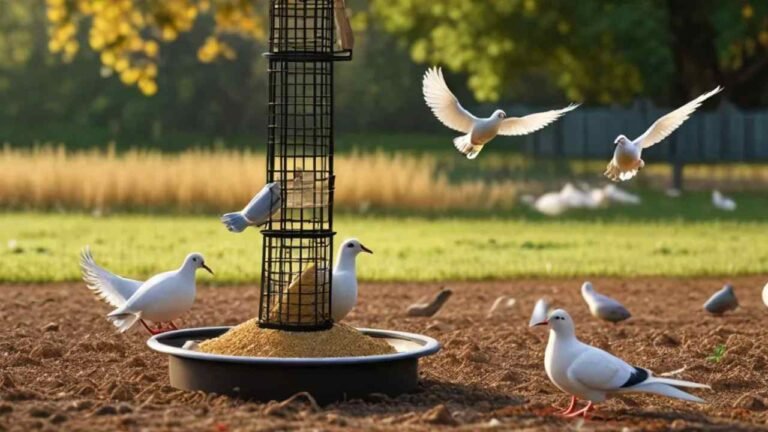
- Managed public dove fields exist on selected WMAs and are updated by DWR
So, the season is statewide, but your exact hunting opportunity can change from one public property to the next.
🎯 Daily Bag Limits
| Species | Daily Limit | Possession Limit | Special Rules |
|---|---|---|---|
| Mourning Dove | 15 combined | 45 combined | Combined with white-winged doves |
| White-winged Dove | 15 combined | 45 combined | Combined with mourning doves |
| Eurasian Collared-Dove | Verify locally | Verify locally | Not included in Virginia’s protected migratory dove bag-limit table |
Virginia’s dove limit is generous enough for a productive afternoon, but you still need to keep count. Once you reach 15 birds total from mourning doves and white-winged doves combined, you are done for the day.
⏰ Legal Hunting Hours
Virginia keeps dove hours simple, but opening day is different.
- September 5, 2026: Noon until sunset
- September 6-October 24: one-half hour before sunrise until sunset
- November 21-29: one-half hour before sunrise until sunset
- December 19-January 18: one-half hour before sunrise until sunset
That noon opener is standard and catches some hunters every year. Do not set up at daylight on opening day expecting to shoot. On every later dove date, normal legal hours apply.
At the federal level, migratory bird seasons operate within national frameworks that set the outer boundaries for season dates, bag limits, split seasons, and shooting hours. Virginia then selects its final dates inside those limits.
🪪 Licenses Needed
If you are hunting only doves in Virginia, you generally need:
- A Virginia hunting license
- HIP registration
- Possibly a National Forest Permit or State Forest Use Permit depending on where you hunt
You do not need a Federal Duck Stamp or Virginia Migratory Waterfowl Conservation Stamp just to hunt doves.
License price summary
| License/Permit | Typical Fee |
|---|---|
| Resident Hunting License (1 year) | $23 |
| Resident County/City Hunting License | $16 |
| Resident Junior Hunting License (12-15) | $8.50 |
| Resident Senior Hunting License (65+) | $9 |
| Nonresident Hunting License | $111 |
| Nonresident 3-Day Hunt License | $60 |
| Nonresident Junior License (under 12) | $13 |
| Nonresident Junior License (12-15) | $16 |
| National Forest Permit | $4 |
| State Forest Use Permit | $16 |
Exemptions and special cases
- HIP is required even for license-exempt hunters
- Resident hunters under 12 do not need a hunting license, but must be supervised
- Nonresident hunters under 12 still need a license
- Senior residents 65+ may hunt private property in their county or city of residence without a license
- Landowners and certain immediate family members may be license-exempt on their own land
- Active-duty military stationed in Virginia, plus spouse and dependents, may qualify for resident-rate licenses
If you are also comparing nearby travel options, see this Maryland dove season guide.
🔫 Legal Hunting Methods
For Virginia dove hunting, the big legal points are the ones hunters most often overlook.
What is legal
- Shotguns must be 10 gauge or smaller
- Migratory game birds must be hunted with a shotgun holding no more than three shells total unless a specific federal exception exists
- Hunting from a boat with a shotgun can be lawful with landowner permission
- A trained retriever is a smart addition, especially in tall grass or cut crop fields
- Standard decoy spreads are commonly used on Virginia dove fields
What to watch closely
- You may not shoot migratory game birds from a motor-propelled boat
- You may not shoot from a vehicle
- You may not discharge a firearm in, across, or within the right-of-way of any road
- You may not occupy a baited blind or baited place
- A site remains baited for 30 days after complete removal of bait or salt
- Dove hunting is allowed on WMAs except Hog Island and Princess Anne, with some impoundment exclusions on waterfowl-managed areas
Nontoxic shot
Virginia does not require nontoxic shot statewide for doves. Nontoxic shot is specifically required for waterfowl, rails, snipe, coots, gallinules, moorhens, and related species—not for doves.
🌾 Best Places to Hunt Doves in Virginia
Virginia DWR highlights managed public dove fields on these WMAs:
- Amelia WMA – Central Virginia uplands with annual dove plantings and lots of open former farmland
- Dick Cross WMA – One of the best-known public dove spots in the state, with heavy annual food plantings and traditionally strong early action
- C.F. Phelps WMA – Popular Northern Virginia public land with open fields, shrubby edges, and active small-game habitat work
- Cavalier WMA – Coastal southeast property with rotated fields planted in corn, soybeans, and sunflowers
- Powhatan WMA – Large, easy-to-reach public land west of Richmond with openings, cultivated habitat, and managed dove fields
- Ware Creek WMA – New Kent County option where agricultural fields and field edges add dove potential
- White Oak Mountain WMA – Strong small-game property in south-central Virginia with planted fields and regular habitat work
- Horsepen Lake WMA – Buckingham County public land where planted fields on the north side of Route 768 support good dove hunting
Virginia’s official managed-field list is the best starting point because WMAs not listed there do not have managed dove fields.
For hunters who like regional comparisons, this West Virginia dove season guide can also help with nearby planning.
🧠 Top Dove Hunting Tips
- Scout cut grain and managed public fields two or three evenings before you hunt.
- On opening day, arrive early even though legal shooting starts at noon.
- In Virginia heat, carry more water than you think you need.
- Hunt field edges, powerlines, and isolated dead trees used as loafing perches.
- Expect the heaviest pressure at Dick Cross and other famous public fields.
- On crowded WMAs, set up off the obvious parking-area line.
- Use a simple decoy spread instead of overcomplicating the setup.
- Focus on the first 90 minutes and the last hour of legal light.
- If birds flare, check whether your silhouette is breaking above the cover.
- In central Virginia, brushy hedgerows often matter as much as the field itself.
- On coastal properties like Cavalier, watch changing wind direction more carefully.
- After opening week, shift to lesser-known public fields or private grain edges.
- Mark every downed bird immediately; September grass can eat doves fast.
- Bring lighter loads for volume shooting, but pattern your gun first.
- Keep a running bird count in your vest so you do not guess at 14 or 15.
🔄 Recent Regulation Changes for 2026-2027
For dove hunters, there do not appear to be major dove-specific rule changes for 2026-2027. Virginia’s published season keeps the familiar statewide three-split structure, the noon opener, and the 15 daily / 45 possession limit.
The biggest broad update from DWR is administrative: Virginia redesigned and combined its hunting, trapping, and migratory game bird regulations book for easier use. In short, dove rules remain substantially unchanged.
🦺 Hunter Safety Tips
- Treat every shotgun as loaded
- Wear eye and hearing protection
- Keep muzzle control tight on crowded public fields
- Stay extra alert on opening day when birds, dogs, and hunters all move at once
- Bring water, shade gear, and electrolytes for hot September afternoons
- Check your dog often for overheating and cut stubble injuries
- Identify the bird before you shoot
- Respect safe shooting lanes with partners
- Pick up empties and leave fields cleaner than you found them
- Do not sky-bust; ethical shots recover more birds and waste less game
🐦 Common Dove Species Found in Virginia
Mourning Dove
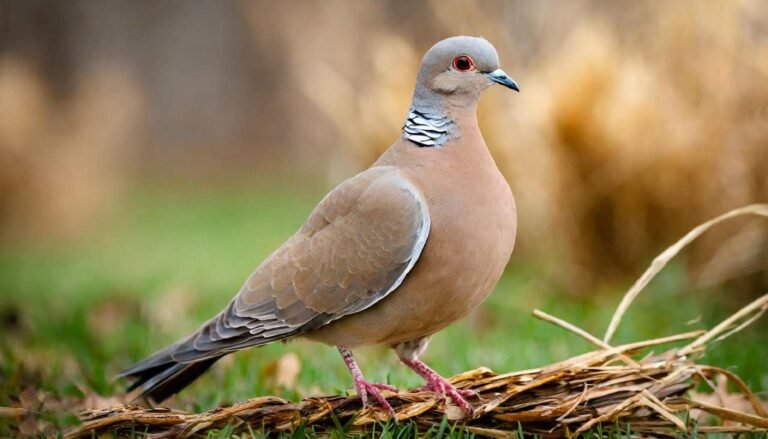
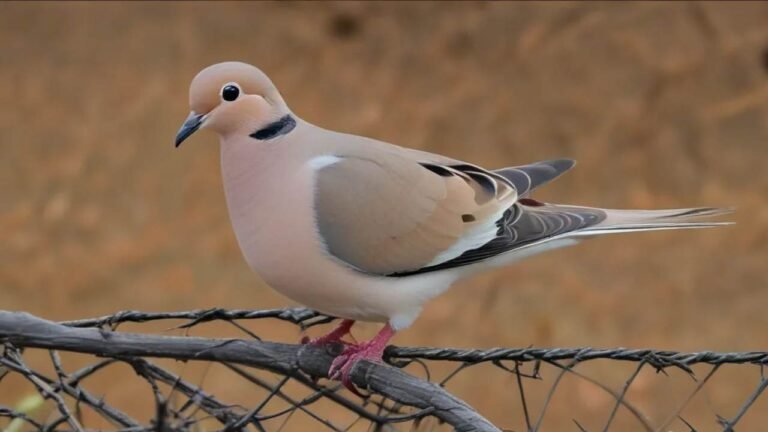
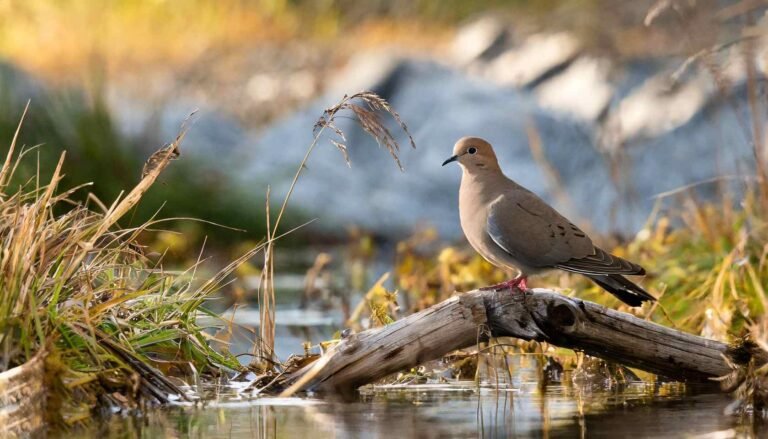
The mourning dove is Virginia’s main target. It is slim, fast, and long-tailed, and it favors agricultural edges, utility lines, open fields, and weedy feeding areas. Early season hunts around grain and managed dove fields are usually the most productive.
White-winged Dove
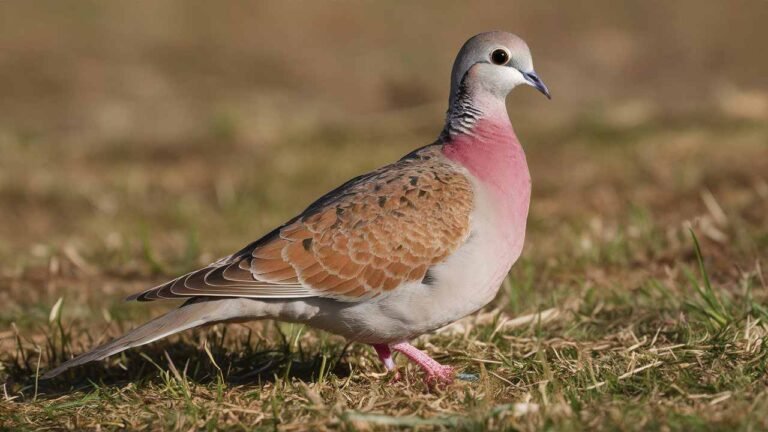
White-winged doves are less common than mourning doves in Virginia but are included in the same aggregate bag limit. They tend to look stockier, with bold white wing patches visible in flight. If you see them, the best strategy is the same as for mourning doves: hunt active food sources and flight lines.
Eurasian Collared-Dove
This larger, pale, square-tailed dove is usually tied to towns, farmsteads, grain bins, and agricultural buildings. Virginia notes it is not one of the protected migratory birds covered by the main dove framework, so hunters should verify the specific situation before taking one.
❓ Frequently Asked Questions
Is Virginia dove season statewide in 2026-2027?
Yes. Virginia’s official dove season is statewide, not divided into separate zones.
What day does Virginia dove season open in 2026?
It opens on September 5, 2026.
Can I hunt doves in the morning on opening day?
No. Opening day shooting hours are noon until sunset.
What is the daily bag limit for Virginia doves?
The daily bag limit is 15 birds total, made up of mourning doves and white-winged doves singly or in combination.
Do I need HIP to hunt doves in Virginia?
Yes. HIP registration is required for all migratory game bird hunters, including license-exempt hunters.
Do I need a Federal Duck Stamp for dove hunting in Virginia?
No. If you are hunting doves only, a Federal Duck Stamp is not required.
Is lead shot legal for dove hunting in Virginia?
Yes. Virginia’s nontoxic-shot requirement does not apply statewide to doves.
Can I hunt doves on Virginia WMAs?
Yes, on most of them. The main statewide exceptions listed by DWR are Hog Island and Princess Anne, plus some impoundment-specific exclusions on certain waterfowl-managed areas.
✅ Final Thoughts
Virginia offers a clean, hunter-friendly dove setup for 2026-2027: statewide dates, clear split seasons, solid public-field opportunities, and a straightforward 15-bird limit. If you scout well and stay disciplined on baiting, public-land access, and shooting hours, Virginia can deliver excellent early-season action.
Before you go, double-check the exact property rules for the WMA, forest, or field you plan to hunt. That last five-minute review can save a trip—and sometimes a ticket.