Iowa Doves Opportunities Starts Early September in 2026-2027
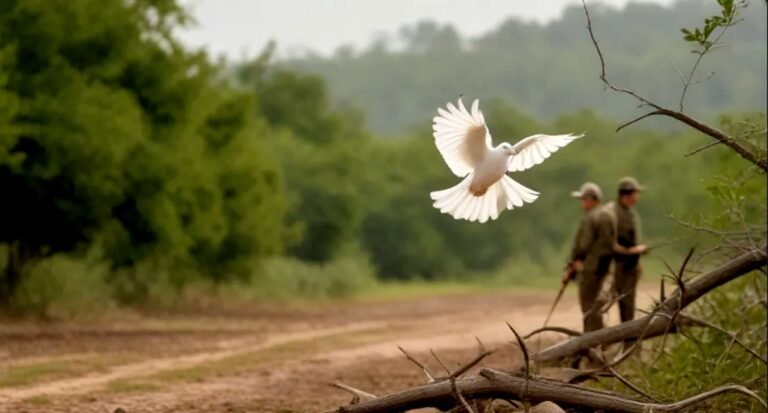
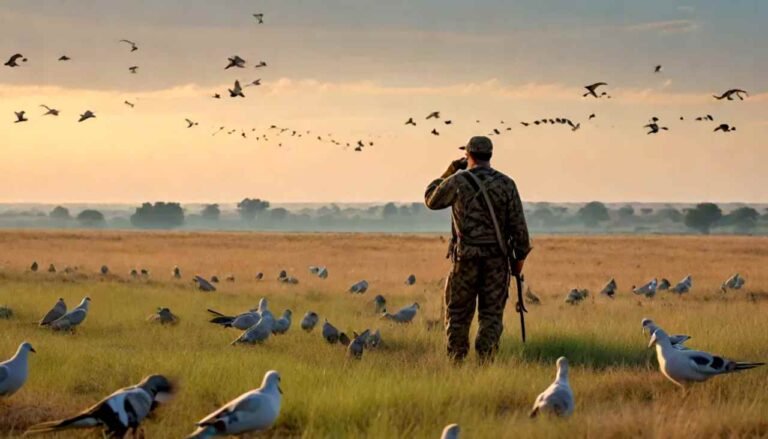
Iowa’s dove season is the unofficial kickoff to fall hunting — and for good reason. When September 1 rolls around, hunters across all 99 counties grab their shotguns, stock up on shells, and head to sunflower fields and waterways for some of the fastest wing-shooting action the Hawkeye State offers. The Iowa dove hunting season typically runs from September 1 through late November, giving hunters a generous 90-day window to pursue mourning doves, white-winged doves, and Eurasian collared-doves.
For the 2026-2027 season, the Iowa Department of Natural Resources (DNR) has set the statewide season from September 1 through November 29, 2026. The daily bag limit remains 15 doves, with a possession limit of 45. Hunters need a valid Iowa hunting license, habitat fee, and annual HIP registration to participate legally. Since Iowa runs a single statewide dove season with no zones, the rules are consistent no matter where you hunt.
At the time of writing, the 2026-2027 migratory game bird seasons and limits have been published by the Iowa DNR. The information below reflects the latest official regulations and current federal migratory bird frameworks. Always verify details before heading afield, as regulations can be updated.
⚡ Quick Answer
Iowa Dove Season 2026-2027 runs September 1 – November 29, 2026, statewide. The daily bag limit is 15 doves (any combination of mourning, white-winged, and fully dressed Eurasian collared-doves), with a possession limit of 45. Legal shooting hours are one-half hour before sunrise to sunset. Hunters need an Iowa hunting license, habitat fee, and free annual HIP registration. Shotguns must be plugged to hold no more than three shells, and nontoxic shot is required on designated public wildlife areas.
📊 Iowa Dove Season 2026-2027 Overview
Iowa treats doves as migratory game birds, which means seasons are set within federal frameworks established by the U.S. Fish and Wildlife Service. The state then selects specific dates within those outside limits. For 2026-2027, Iowa has chosen a single, continuous statewide season.
| Species | Season | Zone | Opening Date | Closing Date | Daily Bag Limit | Possession Limit | Status |
|---|---|---|---|---|---|---|---|
| Mourning Dove | Sept 1 – Nov 29 | Statewide | Sept 1, 2026 | Nov 29, 2026 | 15 | 45 | ✅ Confirmed |
| White-winged Dove | Sept 1 – Nov 29 | Statewide | Sept 1, 2026 | Nov 29, 2026 | 15 (combined) | 45 (combined) | ✅ Confirmed |
| Eurasian Collared-Dove | Sept 1 – Nov 29 | Statewide | Sept 1, 2026 | Nov 29, 2026 | 15 (combined)* | 45 (combined)* | ✅ Confirmed |
*Eurasian collared-doves count toward the daily bag limit when fully dressed (breasted or plucked). There is no separate bag limit on undressed Eurasian collared-doves, meaning you can harvest additional birds if they are not fully dressed and separated from the daily limit count.
📅 Official Dove Season Dates
The Iowa dove hunting season runs as a single, continuous season with no splits. Here is the breakdown by species:
Mourning Dove Season Iowa
Mourning doves are the primary species hunters pursue in Iowa. The season opens September 1, 2026 and closes November 29, 2026, providing 90 days of hunting opportunity. This aligns with the federal framework that permits dove seasons between September 1 and January 15, with a maximum of 90 days.
White-winged Dove Season Iowa
White-winged doves are less common in Iowa than mourning doves, but they do occasionally appear, especially in the southern and western parts of the state. They are included in the same season dates and count toward the same 15-bird daily bag limit.
Eurasian Collared-Dove
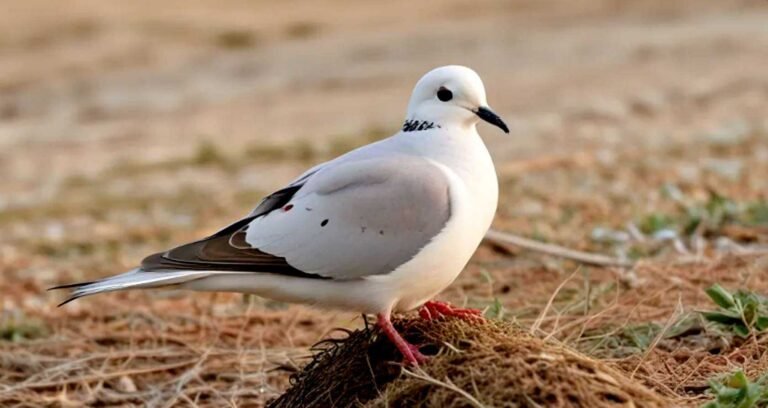
Eurasian collared-doves have expanded their range significantly across Iowa in recent years. They can be legally taken during the regular dove season and count toward your daily bag limit when fully dressed. These birds tend to be larger and slightly lighter in color than mourning doves, with a distinctive black “collar” on the back of the neck.
There is no split season for doves in Iowa. The season runs straight through from September 1 to November 29 without interruption.
🗺️ Dove Hunting Zones in Iowa
Here is the good news: Iowa does not divide dove hunting into zones. The entire state is open to dove hunting under the same season dates and regulations.
This is different from Iowa’s waterfowl seasons, which use North, Central, and South zones. For doves, you do not need to worry about which zone you are in — the rules are the same whether you are hunting in the Loess Hills of western Iowa, the driftless region of the northeast, or the bottomlands of the Missouri River corridor.
The Iowa DNR notes that doves can be found in all 99 counties, with the highest populations concentrated in the Loess Hills and the southern three tiers of Iowa counties. For more details on Iowa’s migratory bird hunting opportunities, you can reference the Iowa DNR Mourning Dove Hunting page.
🏺 Daily Bag Limits
Iowa’s dove bag limits are set within federal frameworks and have remained consistent in recent years.
| Species | Daily Limit | Possession Limit | Special Rules |
|---|---|---|---|
| Mourning Dove | 15 | 45 | Combined with white-winged and dressed Eurasian collared-doves |
| White-winged Dove | 15 | 45 | Combined with mourning and dressed Eurasian collared-doves |
| Eurasian Collared-Dove (fully dressed) | 15 | 45 | Counts toward combined daily limit when breasted or plucked |
| Eurasian Collared-Dove (undressed) | No limit | No limit | Must not be fully dressed to be exempt from bag limit |
Possession limits are three times the daily bag limit for all migratory game birds in Iowa. This means you can possess up to 45 doves after two or more days of hunting.
⏰ Legal Hunting Hours
Legal shooting hours for mourning doves in Iowa are one-half hour before sunrise to sunset for the entire season.
This is slightly different from some other migratory bird seasons. For example, the special September teal season and woodcock season run from sunrise to sunset. But for doves, you get that extra half-hour of early morning light, which can be productive as birds leave their roosts and head to feeding areas.
There are no opening day exceptions in Iowa — the half-hour-before-sunrise rule applies from day one. Always check a reliable sunrise/sunset table for your specific location, as times vary across the state.
🪪 Licenses Needed
Dove hunting in Iowa requires a few specific credentials. Here is what you need and what it costs.
License Price Summary
| License Type | Resident Cost | Nonresident Cost |
|---|---|---|
| Hunting License | $22.00 | $131.00 |
| Habitat Fee | $15.00 | $15.00 |
| Hunting/Habitat Combo | $35.00 | $144.00 (18+) / $45.00 (<18) |
| Migratory Bird Fee | $11.50 | — |
| 5-Day Hunting/Habitat | — | $90.00 |
| HIP Registration | Free | Free |
What You Actually Need for Dove Hunting
- Iowa Hunting License — Required for all hunters ages 16 and older.
- Habitat Fee — Required for all hunters ages 16 and older. Combined with your hunting license, this runs $35.00 for residents.
- HIP Registration — The Harvest Information Program is free but mandatory. You must register annually before hunting any migratory game bird, including doves. Register through the Go Outdoors Iowa system or at any license vendor. Write your confirmation number on your license as proof.
- Hunter Education Certification — Required for anyone born after January 1, 1972. If your certification is not on file, you must show proof when purchasing a license.
Important Note on the Migratory Bird Fee
The $11.50 Iowa Migratory Bird Fee is not required for dove hunting. It is required for ducks, geese, and other migratory waterfowl. However, HIP registration is still mandatory for dove hunters. This is a common point of confusion, so it is worth double-checking before you purchase your licenses.
Youth Exemptions
Residents under age 16 do not need a hunting license or habitat fee to hunt doves, but they must be accompanied by a licensed adult and still need HIP registration. Hunter education is required for anyone born after January 1, 1972, regardless of age.
Senior Exemptions
Iowa offers a free annual hunting license to residents age 65 and older whose household income falls below federal poverty guidelines. Seniors who do not meet income requirements can still purchase a lifetime hunting license for $61.50.
Military Exemptions
Active-duty military members who are Iowa residents and on approved leave can hunt without purchasing a nonresident license when stationed outside Iowa. You must carry your CAC card, LES, and leave documentation.
Nonresident Licenses
Nonresidents age 18 and older pay $144.00 for a hunting/habitat combination license. Nonresidents under 18 pay $45.00. A 5-day nonresident hunting/habitat license is available for $90.00. HIP registration is still required for nonresidents hunting doves.
🔫 Legal Hunting Methods
Iowa has specific rules governing how doves can be hunted. Here is what you need to know.
Shotguns and Plug Requirements
You must use a shotgun to hunt doves in Iowa. Your shotgun must be plugged to hold no more than three shells total — one in the chamber and two in the magazine. This is the same plug requirement that applies during waterfowl season. If you hunted waterfowl last year with a plugged gun, you are good to go.
Gauge Restrictions
There are no specific gauge restrictions for dove hunting in Iowa. Most hunters use 12-gauge or 20-gauge shotguns with improved cylinder or modified chokes. Shot sizes 7.5 or 8 are the most popular choices for doves.
Nontoxic Shot Requirements
Nontoxic shot is required on designated public wildlife areas in Iowa. These areas are listed in the Iowa Hunting, Trapping & Migratory Game Bird Regulations booklet. On public land where nontoxic shot is required, hunters may only use size 2 or 3 nontoxic shot, or size 4, 5, 6, 7½, or 8 lead or nontoxic shot. Check the regulations booklet for the full list of areas where nontoxic shot is mandatory.
Baiting Laws
Hunting over baited areas is illegal. Baiting includes placing salt, grain, feed, or other attractants to concentrate doves. However, you can hunt over normal agricultural practices such as harvested crop fields, planted fields where seed has been distributed through normal agricultural operations, and areas where crops have been manipulated (mowed, disked, or burned) for wildlife management. When in doubt, check the federal baiting regulations before setting up.
Electronic Calls and Decoys
Electronic calls are not permitted for dove hunting. However, stationary decoys — including spinning-wing decoys — are legal and can be effective, especially later in the season when birds become wary.
Retrievers and Dogs
Using a retriever or pointing dog is legal and highly recommended. Doves can be difficult to find in tall grass, and a good dog will save you time and ensure you recover every bird you shoot. Bring plenty of water for your dog — early September temperatures in Iowa can easily reach the 90s.
Motor Vehicle Restrictions
You cannot shoot from a motor vehicle, including ATVs and boats under motor power. You must be on foot or in a stationary position to legally shoot doves.
📍 Best Places to Hunt Doves in Iowa
Iowa offers excellent public land opportunities for dove hunters. The Iowa DNR manages over 410,000 acres of wildlife management areas (WMAs), many of which include planted dove food plots — primarily sunflowers, wheat, and millet. The DNR publishes an annual list of WMAs, Conservation Board properties, and Iowa Habitat Access Program (IHAP) sites with food plots attractive to doves.
Top Public Dove Hunting Areas
Here are some standout locations across the state:
- Rathbun Wildlife Area (Appanoose County) — Sedan Bottoms and surrounding areas offer excellent sunflower plots and draws heavy dove traffic.
- Hawkeye Wildlife Area (Johnson County) — One of Iowa’s largest WMAs, with managed food plots and water sources nearby.
- Chichaqua Wildlife Area (Polk County) — Close to Des Moines, making it a convenient option for metro-area hunters.
- Sweet Marsh (Bremer County) — A well-known early-season hotspot with sunflower fields.
- Green Island (Jackson County) — Mississippi River bottomland that holds doves throughout the season.
- Dunbar Slough (Greene County) — Prairie and wetland complex with dove food plots.
- Brushy Creek Recreation Area (Webster County) — Mix of timber, fields, and water that attracts doves.
- Riverton Wildlife Area (Fremont County) — Southwest Iowa hotspot with managed dove fields.
- Volga River State Recreation Area (Fayette County) — Northeast Iowa option with scattered food plots.
- Saylorville Wildlife Area (Dallas/Boone County) — Central Iowa acreage with managed sunflower plots.
IHAP Private Land Access
The Iowa Habitat Access Program opens private land to public hunting through agreements with landowners. Many IHAP sites include dove food plots. Check the Iowa Public Hunting Atlas to find IHAP properties near you.
Finding Dove Fields
The Iowa DNR publishes an annual Dove Food Plot Map listing WMAs, county conservation board properties, and IHAP sites with managed dove food plots. Use the interactive Public Hunting Atlas to zoom in on specific areas and locate dove plot access points, marked with a target symbol.
🎯 Top Dove Hunting Tips
Here are 15 Iowa-specific tips to help you fill your limit this season:
- Scout sunflower fields the week before opening day. Doves key in on freshly matured sunflower seeds, and the DNR plants these specifically for dove hunting.
- Hunt the first two weeks of September for peak action. Doves migrate through Iowa quickly once cold fronts arrive. Early season offers the highest bird numbers.
- Set up near water sources. Doves fly to water mid-morning and late afternoon. A stock pond or creek crossing near a feeding field can be a killer setup.
- Watch for flight lines. Doves follow consistent routes between roosting, feeding, and watering areas. Spend 20 minutes observing before choosing your position.
- Use decoys on dead trees or fence lines. A few stationary decoys, especially a spinning-wing decoy, can pull passing birds into range.
- Bring a retriever. Iowa’s tall prairie grasses hide downed birds quickly. A dog saves time and reduces crippling loss.
- Pack plenty of water for yourself and your dog. Early September in Iowa can hit 90°F or higher. Dehydration is a real risk.
- Wear camo and stay still. Doves have excellent vision. A seat with a backrest helps you stay motionless during lulls.
- Hunt fence lines and tree edges. Doves love to perch on fences and dead snags before dropping into fields. Set up 20–30 yards downwind of these perches.
- Check the nontoxic shot requirement before heading to a WMA. Many public areas require nontoxic shot. Carry steel or bismuth loads if you are headed to a restricted area.
- Hunt the golden hour. The last 90 minutes before sunset often produce the best shooting as birds return to roost.
- Pattern your shotgun before the season. Most misses are behind the bird. Doves are fast — practice crossing shots and adjust your lead.
- Switch to harvested grain fields in October. As sunflowers dry up, doves shift to cut corn and soybean stubble. Follow the food.
- Hunt after cold fronts early, but expect birds to leave. The first hard freeze pushes doves south fast. Get out before the front if you want maximum bird numbers.
- Keep your HIP confirmation number on your license. Conservation officers check this regularly, and it is a quick fix that saves you from a citation.
📢 Recent Regulation Changes for 2026-2027
The Iowa DNR announced several changes heading into the 2026-2027 hunting seasons. However, none of the major changes specifically affect dove hunting regulations. The most notable updates are deer-related:
- Iowa now has two deer hunting zones (Zone A and Zone B) for resident deer hunters
- Deer license sales begin at 9 a.m. on August 15, a change from previous years
- Treestands on public land must have a metal tag with the owner’s DNR customer ID number
- Traps must have ID tags with either the trapper’s name and address or their DNR customer ID number
- A new online tool allows instant reporting of buck deer deadheads from February 1 through July 31
For dove hunters, the regulations remain substantially unchanged from the 2025-2026 season. Season dates, bag limits, shooting hours, and license requirements are consistent with recent years. Always check the full regulations booklet for the most current information.
If you hunt across state lines, you may also want to review the Illinois Dove Season or Missouri Dove Season guides for neighboring state regulations.
🦺 Hunter Safety Tips
Dove hunting is generally low-risk, but early season conditions in Iowa present some unique safety considerations.
Firearm Safety
Always treat every gun as if it is loaded. Keep your muzzle pointed in a safe direction, and never shoot at low-flying birds when other hunters are in the area. Identify your target and what is beyond it before pulling the trigger.
Heat Safety
September in Iowa can be brutal. Temperatures regularly reach the upper 80s and 90s. Bring at least one gallon of water per person for a full-day hunt. Watch for signs of heat exhaustion — dizziness, nausea, and excessive sweating. Take breaks in the shade.
Dog Safety
If you bring a retriever, bring separate water for the dog and a collapsible bowl. Check your dog for heat stress frequently. Avoid hunting during the hottest part of the day (11 a.m. – 3 p.m.) if your dog is working hard.
Eye and Hearing Protection
Wear shooting glasses to protect your eyes from spent hulls, debris, and errant pellets. Use earplugs or electronic hearing protection — dove hunting involves a lot of shooting, and cumulative hearing damage is real.
Bird Identification
Know the difference between mourning doves, white-winged doves, Eurasian collared-doves, and protected species like the common ground-dove or non-game doves. When in doubt, let the bird pass.
Ethical Hunting
Respect other hunters’ space. Do not sky-bust at birds out of range. Retrieve every bird you shoot. Pack out your spent hulls and trash — leaving shells in a dove field is a sure way to lose access.
🕊️ Common Dove Species Found in Iowa
Mourning Dove
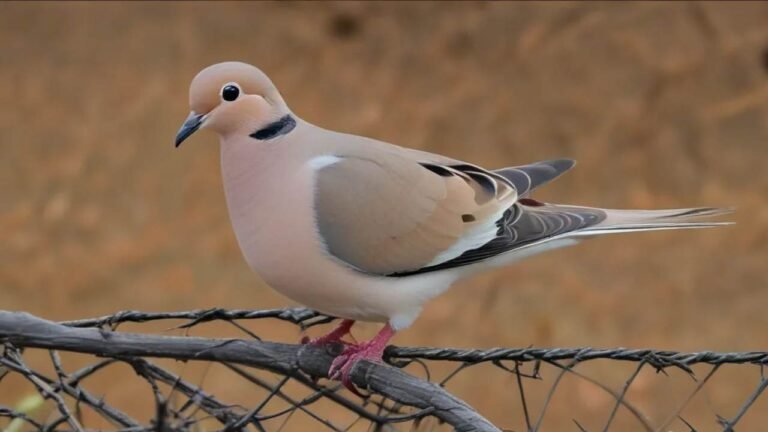
Identification: Slim, gray-brown body with a long, pointed tail. Black spots on the wings. Soft, mournful cooing call.
Habitat: Open fields, fencerows, roadsides, and agricultural land. Found statewide in all 99 counties.
Migration: Migrates south in fall, with peak movement through Iowa in September and early October. Cold fronts trigger large push movements.
Best Hunting Strategy: Set up between feeding fields and water sources. Use decoys on fences or dead trees. Morning and evening flights are most productive.
White-winged Dove
Identification: Slightly larger than the mourning dove with a distinctive white patch on the wing edge. Blue ring around the eye.
Habitat: More common in southwestern states but occasionally seen in Iowa, especially in the southern counties.
Migration: Less predictable than mourning doves. Occasional visitors during early fall migration.
Best Hunting Strategy: Treat them the same as mourning doves. They respond to decoys and are often found in mixed flocks.
Eurasian Collared-Dove
Identification: Larger and lighter than a mourning dove. Prominent black half-collar on the back of the neck. Square tail rather than pointed.
Habitat: Often found near farmsteads, towns, and grain storage areas. Has expanded rapidly across Iowa over the past two decades.
Migration: Largely non-migratory. These birds can be found year-round, but are most commonly encountered during dove season.
Best Hunting Strategy: Hunt near farm buildings, grain bins, and feedlots where legal. They are less wary than mourning doves and often respond well to decoys. Remember that undressed Eurasian collared-doves do not count toward your daily bag limit.
❓ Frequently Asked Questions
When does Iowa dove season open in 2026?
Iowa dove season opens September 1, 2026 and runs through November 29, 2026. The season is statewide with no zones.
What is the daily bag limit for doves in Iowa?
The daily bag limit is 15 doves in any combination of mourning, white-winged, and fully dressed Eurasian collared-doves. The possession limit is 45.
Do I need a migratory bird stamp to hunt doves in Iowa?
No. The $11.50 Iowa Migratory Bird Fee is not required for dove hunting. However, you must register with the Harvest Information Program (HIP), which is free and required annually.
What license do I need to hunt doves in Iowa?
Resident hunters need a hunting license ($22.00) and habitat fee ($15.00), or a combined hunting/habitat license ($35.00). All dove hunters must also register with HIP annually.
Can I hunt doves with lead shot in Iowa?
Yes, on private land and on public areas where nontoxic shot is not required. However, nontoxic shot is mandatory on designated public wildlife areas. Check the Iowa hunting regulations booklet for the full list of nontoxic shot areas.
Are Eurasian collared-doves legal to hunt in Iowa?
Yes. Eurasian collared-doves can be taken during the regular dove season. When fully dressed (breasted or plucked), they count toward your 15-bird daily limit. Undressed birds do not count toward the limit.
What are the legal shooting hours for dove hunting in Iowa?
Legal shooting hours are one-half hour before sunrise to sunset for the entire dove season. There are no opening day exceptions.
Can youth hunters hunt doves without a license in Iowa?
Yes. Residents under age 16 do not need a hunting license or habitat fee, but they must be accompanied by a licensed adult and still need HIP registration. Hunter education is required for anyone born after January 1, 1972.
Is there a dove hunting zone system in Iowa?
No. Iowa has a single statewide dove season. The entire state is open under the same dates and regulations. This differs from waterfowl seasons, which use North, Central, and South zones.
Where can I find public dove hunting areas in Iowa?
The Iowa DNR publishes an annual dove food plot map listing WMAs, county conservation board properties, and IHAP sites with managed food plots. Use the interactive Public Hunting Atlas to locate specific areas and access points.
🏁 Final Thoughts
Iowa’s dove season is one of the best opportunities in the Midwest for fast-paced, accessible wing-shooting. With a generous 90-day season running from September 1 through November 29, 2026, a statewide framework that eliminates zone confusion, and hundreds of public land acres planted with dove food plots, the Hawkeye State delivers outstanding hunting for both seasoned shooters and newcomers alike.
The regulations for 2026-2027 remain consistent with recent years. A 15-bird daily limit, half-hour-before-sunrise shooting hours, and straightforward license requirements make planning simple. Just remember your HIP registration, pack your plug, check nontoxic shot requirements on public land, and bring plenty of water for yourself and your dog.
Before you head out, take a few minutes to review the full Iowa Hunting, Trapping & Migratory Game Bird Regulations booklet published by the Iowa DNR. Regulations can be updated mid-season, and it is always your responsibility as a hunter to know the current rules.
Good luck this season — and may your sunflower fields be full of doves.