Highlights for Doves in Utah: 2026-2027 Hunting Regulations for legal Season
Utah’s dove season is one of the most anticipated upland game openings of the fall. Hunters across the state flock to agricultural corners of the Wasatch Front, southern desert farms, and Utah’s scattered wildlife management areas as September rolls in. If you’re planning to chase mourning doves or white-winged doves in Utah this year, this guide covers everything you need to know — from opening dates and bag limits to licensing, the best places to hunt, and on-the-ground tips that work in Utah’s unique high-desert habitat.
The information below reflects Utah’s most recently published regulations — the 2026 Utah Upland Game and Turkey Guidebook (version 2026.1, published June 26, 2026) — and the standard framework Utah has used in recent years. Always confirm dates with the Utah Division of Wildlife Resources before heading out.
Quick Answer
The mourning and white-winged dove season in Utah traditionally opens September 1 and closes October 30, with a daily bag limit of 15 birds (combined species) and a possession limit of 45. Eurasian collared doves are open year-round with no daily limit. Hunters of any age must register for the HIP (Harvest Information Program), and hunters 16 and older must carry a federal migratory bird stamp.
🕊️ Utah Dove Season 2026–2027 Overview
The table below summarizes what Utah hunters should expect. Utah manages its dove season as a single statewide unit — there are no separate north/south/central dove zones for mourning or white-winged doves.
| Species | Season | Zone | Opening Date | Closing Date | Daily Bag Limit | Possession Limit | Status |
|---|---|---|---|---|---|---|---|
| Mourning Dove | Standard | Statewide | September 1 | October 30 | 15 (combined w/white-winged) | 45 | Confirmed for 2026; 2027 Pending Official Announcement |
| White-winged Dove | Standard | Statewide | September 1 | October 30 | 15 (combined w/mourning) | 45 | Confirmed for 2026; 2027 Pending Official Announcement |
| Eurasian Collared Dove | Year-round | Statewide | January 1 | December 31 | No daily limit | No possession limit | Unprotected species in Utah |
For the full official text, reference the 2026 Utah Waterfowl, Upland Game and Turkey Guidebook, available from the Utah Division of Wildlife Resources.
🗓️ Official Dove Season Dates
Mourning Dove. Utah’s mourning dove season has historically opened on September 1 and closed on October 30, running approximately 60 days. Under the recent federal modernization of migratory bird frameworks (U.S. Fish & Wildlife Service press release, June 2026), Utah has flexibility and earlier certainty to lock in these dates.
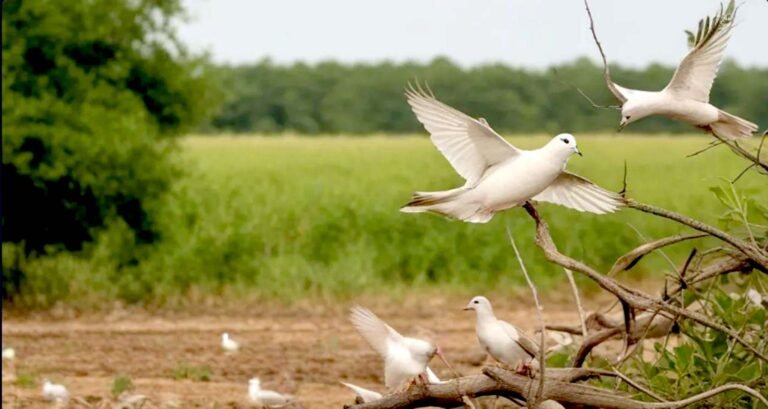
White-winged Dove. White-winged doves share the mourning dove season dates and combined bag limit in Utah. While less common than mourning doves, they do show up in southern Utah, particularly near agricultural areas.
Eurasian Collared Dove. This invasive species is treated very differently. Because it is not native and is considered unmanaged, Utah allows year-round hunting with no daily or possession limit. This is a major opportunity — many hunters ignore collared doves entirely, but they provide excellent off-season practice.
Split seasons. Utah does not split its dove season. There’s a single continuous season for mourning and white-winged doves. If you miss opening day, you still have most of September and October to hunt.
🗺️ Dove Hunting Zones in Utah
Unlike many states, Utah does not divide its dove season into north, south, central, or coastal zones. The entire state operates as a single management unit for mourning, white-winged, and Eurasian collared doves.
This simplifies planning. You do not need to confirm which zone your hunt falls in. The only geographic differences you will encounter are local rules on specific Wildlife Management Areas (WMAs), where individual properties may have additional restrictions on access, shot type, or nontoxic-shot requirements (especially on waterfowl-focused WMAs like Farmington Bay). Always check the WMA-specific page on the UDWR site before scouting.
🎯 Daily Bag & Possession Limits
| Species | Daily Limit | Possession Limit | Special Rules |
|---|---|---|---|
| Mourning Dove | 15 | 45 | Combined with white-winged; possession is 3× daily |
| White-winged Dove | 15 (combined) | 45 (combined) | Included in mourning dove total |
| Eurasian Collared Dove | No limit | No limit | Year-round; recommend confirming species ID to avoid confusion with mourning doves |
Remember: “Possession limit” applies to birds held at your home or in a cold storage unit — not birds in the field. Birds in transit or at the day’s hunt location count differently. When in doubt, consult the guidebook.
🌅 Legal Hunting Hours
Utah follows the federal sunrise-to-sunset rule for migratory bird hunting. Specifically:
- Start time: One-half hour before official sunrise.
- End time: Official sunset.
There is no special exception for opening day. Most hunters arrive 30–45 minutes early to set up decoys and let doves settle. Early morning is prime because doves fly to water and food right after sunrise. Late afternoon — right before sunset — can produce a second flurry as birds return to roost.
Hunting hours shift by just a few minutes throughout September and October, so check the sunrise/sunset calendar for your specific hunt date and county.
📜 Licenses Needed
You need three things to dove hunt legally in Utah:
- Utah Hunting License — required for all hunters.
- HIP (Harvest Information Program) Registration — required for every hunter, regardless of age. Free.
- Federal Migratory Bird Hunting & Conservation Stamp (“Duck Stamp”) — required for hunters age 16 and older. Available electronically through the UDWR portal.
Typical License Fees (subject to annual update):
| License Type | Resident | Nonresident |
|---|---|---|
| Annual hunting license (18+) | ~$40 | ~$144 |
| Annual hunting license (17 and under) | ~$29 | ~$44 |
| 3-day small game license | — | ~$89 |
| HIP registration | Free | Free |
| Federal duck stamp (16+) | ~$30 | ~$30 |
Exemptions. Residents born before 1965 are usually exempt from needing a basic hunting license but must still have HIP and a duck stamp (16+). Military members and disabled veterans often qualify for reduced-fee or free licenses — verify current rules on UDWR’s licensing page.
🔫 Legal Hunting Methods
Dove hunting is one of the simplest forms of wingshooting. Here’s what you can and cannot do:
- Firearm: Shotgun only. No rifles or pistols.
- Gauge: Any shotgun gauge is legal, but 12-, 20-, and 28-gauge dominate. Most hunters run a modified or improved-cylinder choke.
- Plug: Shotguns must be plugged so the magazine holds no more than 3 shells total (2 in the magazine plus 1 in the chamber).
- Nontoxic shot: Not universally required for doves in Utah — lead shot is legal for doves statewide. However, on most WMAs regulated for waterfowl (Farmington Bay, Ogden Bay, etc.), nontoxic shot is mandatory. Always check WMA-specific rules.
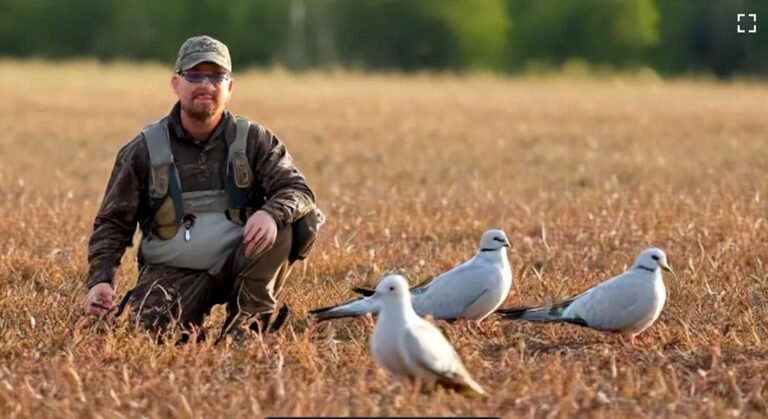
- Decoys: Legal and highly effective. Shell-and-motion decoys are popular.
- Electronic calls: Prohibited for migratory game birds including doves.
- Baiting: Cannot shoot doves over baited areas. Standing crops and normal agricultural operations are not considered baiting.
- Motor vehicles: Hunting from or shooting from a motor vehicle is illegal.
🌾 Best Places to Hunt Doves in Utah
Utah has excellent public dove opportunities, especially in agricultural valleys.
- Farmington Bay WMA — At the north end of the Great Salt Lake. Strong dove numbers along the dikes and around adjacent agricultural fields.
- Ogden Bay WMA — Weber County. Classic wetland-edge dove habitat.
- Public Lands/Walk-in Access — UDWR partners with private landowners through Walk-In Access (WIA) programs. Look for posted WIA signs in Cache, Sanpete, and Millard counties.
- National Forests/Forest Service lands — Manti-La Sal, Fishlake, and Uinta-Wasatch-Cache national forests offer fringe agricultural dove hunting at lower elevations.
- Southern Utah agricultural areas — Washington, Iron, and Millard counties consistently produce the highest mourning dove harvests in the state.
- Private farm ground — Always ask permission. Many Utah farmers welcome responsible dove hunters.
- Bear River Migratory Bird Refuge — Limited waterfowl-only zones; verify dove hunting is allowed within your chosen unit before visiting.
For a neighboring state’s dove hunting breakdown, see the Oregon Dove Season guide for a quick comparison of intermountain west dove hunting regulations.
🏆 Top Utah Dove Hunting Tips
- Scout the day before. Watch where doves fly between roost and feed. Field edges near water are gold.
- Hit agricultural water. Doves need water daily. Pivot-irrigated corners of alfalfa fields are magnets.
- Go public-lands early. WMAs fill up fast, especially opening weekend.
- Wear matte colors. Desert camouflage beats bright orange-shirt hunting on public dove fields.
- Set decoys low and fluttering. Motion is what pulls doves in.
- Master the crossing shot. Utah dove shots are rarely calm — they come in fast, low, and quartering.
- Bring a stool. Many successful Utah hunters sit at field edges rather than walking.
- Pack an ice chest. September heat can ruin birds quickly. A cooler with ice saves meat.
- Hunt the early dove flight. The first two weeks dominate the action.
- Try southern Utah late season. Birds stack up in late October near Ivins and St. George.
- Identify Eurasian collared doves correctly — they’re larger with a black collar. They protect the mourning dove harvest.
- Hunt evening flights. Doves often return from feed to roost right at sunset.
- Call sparingly. Utah mourning doves respond more to decoys and motion than calls.
- Mount a full choke for longer shots. Birds over picked cornfields can be 35+ yards out.
- Carry extra water. Even September in northern Utah gets hot.
📰 Recent Regulation Changes for 2026–2027
Utah dove regulations remain substantially unchanged for the 2026 season. No new bag-limit reductions, zone changes, or species-specific restrictions have been announced for the 2026–2027 cycle.
The most significant federal-level change is the U.S. Fish & Wildlife Service’s June 2026 move to a 3-year migratory bird framework, which gives states earlier notice of season dates and more regulatory stability. This benefits Utah hunters by locking in opening dates with more lead time.
🦺 Hunter Safety Tips
- Firearm safety: Treat every gun as loaded. Keep muzzles pointed skyward or downrange.
- Heat safety: September temperatures in southern Utah can exceed 95°F. Wear light clothing, hydrate, and take breaks.
- Dog safety: Dove dogs can overheat. Carry water and rest them.
- Eye and ear protection: Mandatory when shooting.
- Bird identification: Be 100% sure you know mourning vs. collared dove before pulling the trigger.
- Ethical hunting: Respect landowner relationships. Pick up spent shells. Never shoot roosted birds.
🐦 Common Dove Species in Utah
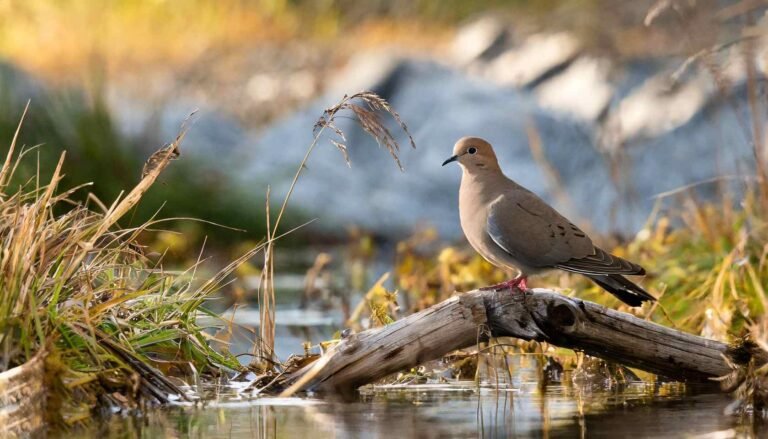
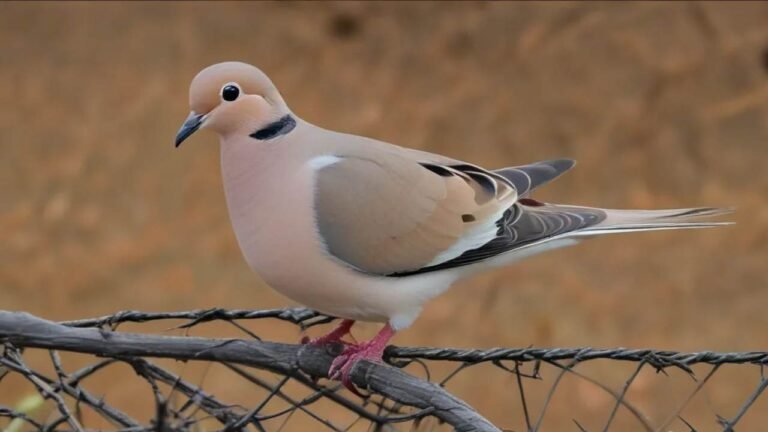
Mourning Dove — Tan/brown, pointed tail with white edges, soft cooing call. Found statewide near agriculture. Best strategy: set up decoys at field corners with water within a quarter mile.
White-winged Dove — Larger, with a visible white wing patch. Mostly southern Utah. Strategy: same as mourning doves; pair decoys with water access.
Eurasian Collared Dove — Pale gray, black collar ring, squared tail. Year-round, no limit. Strategy: target farmsteads and rural barns where they roost.
❓ Frequently Asked Questions
When does dove season open in Utah?
Utah’s mourning and white-winged dove season typically opens September 1 and runs through October 30. Confirm dates annually via UDWR.
How many doves can I shoot in Utah?
The daily bag limit is 15 mourning and white-winged doves combined, with a 45-bird possession limit. Eurasian collared doves have no limit.
Do I need a federal duck stamp to hunt doves?
Yes, if you are 16 or older. Every dove hunter must also complete HIP registration.
Are Eurasian collared doves legal to shoot in Utah?
Yes — year-round, with no bag or possession limit.
Does Utah have multiple dove hunting zones?
No. Utah is a single statewide unit for mourning, white-winged, and collared doves.
What shotgun choke is best for Utah doves?
Improved cylinder for most passes; modified for slightly longer shots over wide-open fields.
Can I hunt doves on Utah state parks?
Generally no. Migratory bird hunting on most state parks is restricted. Check the specific park’s rules.
What is the best time of day for dove hunting in Utah?
First two hours after sunrise are typically the best, with a secondary spike just before sunset.
🎯 Final Thoughts
Utah dove hunting offers some of the most accessible and rewarding wingshooting in the Intermountain West. With a generous 15-bird daily limit, a statewide open unit, and abundant public access through WMAs and Walk-In Access areas, hunters have everything they need to plan a productive season.
A quick reminder before you head out: always verify current dates, bag limits, and license requirements through the Utah Division of Wildlife Resources before every hunt. Regulations can change between the date of this article and opening day, and the burden of staying legal always rests on the hunter. See you in the field. 🕊️