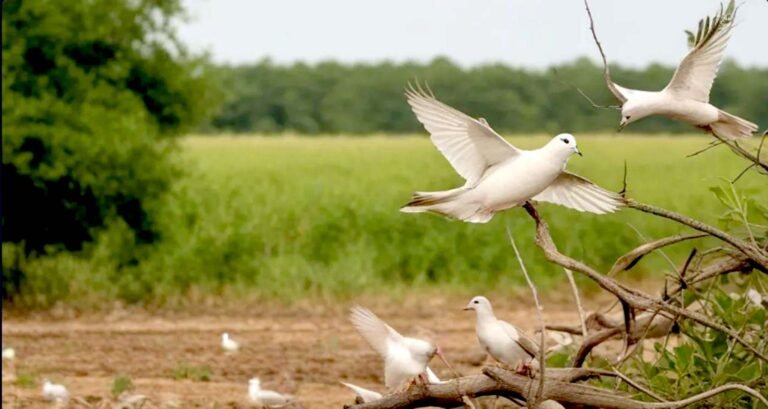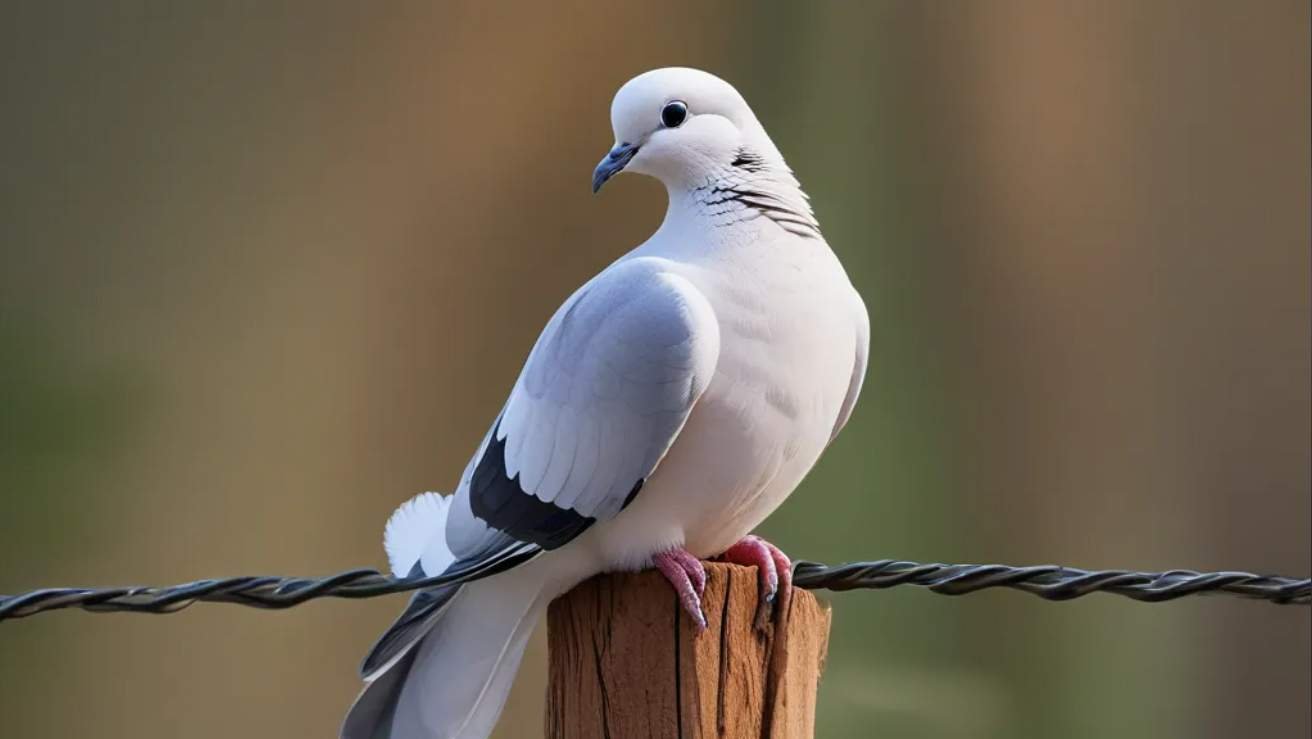
Chasing Doves in Oregon 2026-2027: An Overview of the Hunting Season
Oregon dove season is one of the earliest and most accessible bird hunts on the calendar, and for many hunters it marks the true start of fall. For 2026-2027, Oregon’s mourning dove season again opens on September 1, with different closing structures depending on which dove zone you hunt. That matters, because western Oregon and the Columbia Gorge follow a split season, while eastern Oregon gets a longer continuous run.
If you’re planning to hunt doves this year, expect a straightforward setup: know your zone, carry the right license and HIP validation, watch your daily limit, and double-check local access rules before you go. Oregon keeps dove hunting simple compared with many states, but small details still matter—especially shooting hours, baiting laws, and wildlife-area-specific shot rules.
This guide is built from the latest Oregon regulations and current federal migratory bird rules, then translated into plain English for real hunters. If you want the fastest path to a legal, productive opener, this is where to start. For the final word before you hunt, verify the current ODFW Game Bird Regulations and the U.S. Fish & Wildlife Service migratory bird regulations.
Quick Answer
Oregon Dove Season 2026-2027 opens September 1, 2026.
For mourning doves, Zone 1 runs Sept. 1-Sept. 30 and Nov. 15-Dec. 14, while Zone 2 runs Sept. 1-Oct. 30. The daily bag limit is 15 and the possession limit is 45. Hunters need a valid Oregon hunting license plus a free HIP validation. Oregon does not publish separate mourning dove zones as north, south, central, or coastal; it uses Zone 1 and Zone 2.
🕊️ Oregon Dove Season 2026-2027 Overview
| Species | Season | Zone | Opening Date | Closing Date | Daily Bag Limit | Possession Limit | Status |
|---|---|---|---|---|---|---|---|
| Mourning Dove | Fall | Zone 1 | Sept. 1, 2026 | Sept. 30, 2026; reopens Nov. 15 and closes Dec. 14, 2026 | 15 | 45 | Official |
| Mourning Dove | Fall | Zone 2 | Sept. 1, 2026 | Oct. 30, 2026 | 15 | 45 | Official |
| White-winged Dove | Not listed separately | Statewide | — | — | Follow current state-published dove rules and verify identification | — | No separate listing in digest |
| Eurasian Collared-Dove | Area-specific caution applies | Statewide | Varies by location | Varies by location | No statewide bag limit commonly applied, but some wildlife areas limit take to authorized game bird seasons | — | Check local area rules |
📅 Official Dove Season Dates
For Oregon Dove Season 2026-2027, the big date is simple: September 1.
What changes is the zone:
- Zone 1: Sept. 1-Sept. 30, then Nov. 15-Dec. 14
- Zone 2: Sept. 1-Oct. 30
Oregon’s published dove framework specifically lists mourning dove dates. There is no separate white-winged dove season listing in the current state digest, which tells you two things. First, mourning doves remain the main regulatory focus. Second, hunters should be careful with species identification rather than assuming a separate white-winged structure exists.
For Eurasian collared-doves, Oregon treats them differently from protected migratory game birds. However, some wildlife areas still restrict take to authorized game bird seasons only, so the safest move is to read the rules for the exact public area you plan to hunt.
There are no Oregon dove split seasons beyond the standard Zone 1 split and Zone 2 continuous season. That split exists to better match bird availability in western Oregon versus the longer early opportunity in the east.
🗺️ Dove Hunting Zones in Oregon
Oregon does not use north, south, central, or coastal dove zones for mourning doves. Instead, the state uses two dove zones:
Zone 1
Zone 1 covers western Oregon and the Columbia River Gorge. This is the split season area. If you hunt west-side farm country, valley edges, or parts of the Gorge, this is the zone to verify first.
Zone 2
Zone 2 covers eastern Oregon. This zone gets the longer continuous season from Sept. 1 through Oct. 30, which is a major advantage if warm weather and local grain harvests keep birds around.
Practical takeaway
If you are unsure where your spot falls, don’t guess by region name. Check the official zone map before opening day. In Oregon, a county line can matter more than what locals casually call the area.
🎯 Daily Bag Limits
| Species | Daily Limit | Possession Limit | Special Rules |
|---|---|---|---|
| Mourning Dove | 15 | 45 | Follow zone dates and official shooting hours |
| White-winged Dove | No separate Oregon listing | No separate Oregon listing | Verify current digest and identify birds carefully |
| Eurasian Collared-Dove | Check area-specific rules | Check area-specific rules | Some public areas may restrict take to authorized game bird seasons |
For most hunters, the key number is easy: 15 doves per day, 45 in possession for mourning doves.
⏰ Legal Hunting Hours
Oregon handles dove hours through its official game bird shooting hours table, which varies by date and zone. In other words, don’t rely on a generic sunrise app and call it good.
Here’s the plain-English version:
- Federal migratory bird rules traditionally use one-half hour before sunrise to sunset
- Oregon applies those rules through a zone-by-zone daily shooting hours table
- Some state and federal areas may post narrower hours
- Oregon does not publish a special noon opener for doves, so hunters follow the normal legal hours table from day one unless a local area says otherwise
That means your exact legal start and stop time can change depending on the day and where you hunt. Always check the table the night before.
🪪 Licenses Needed
For Oregon Dove Season 2026-2027, the core requirements are refreshingly simple.
Required for dove hunters
- Valid Oregon hunting license
- HIP validation for all dove hunters
Important note on validations
For mourning dove, Oregon’s license table lists HIP validation as the species-specific requirement. That matters because many hunters assume every upland bird automatically requires the upland validation. For doves, Oregon’s current requirement is tied to HIP.
License price summary
- Resident annual hunting license: $39
- Nonresident annual hunting license: $193
- HIP validation: Free
Other license options worth knowing
- Resident upland game bird validation: $11
- Youth upland game bird validation (12-17): $4
- Nonresident game bird validation: $50
- Youth combination license: $10
- Uniformed services hunting license: $19 resident / $39 nonresident
- Senior hunting license: $25 for qualifying residents
Youth, military, senior, and nonresident notes
- Hunters 11 and younger can qualify for free youth game bird licensing options, but they still need to follow current regulations
- Oregon offers reduced-fee options for certain uniformed service members
- Qualified senior resident hunters have discounted license choices
- Nonresidents can hunt doves in Oregon, but their base license cost is much higher
No federal duck stamp is required for dove hunting. That stamp applies to ducks, geese, and certain other migratory waterfowl, not mourning doves.
🔫 Legal Hunting Methods
Oregon’s dove rules are hunter-friendly, but they’re not loose.
You can use
- Shotguns 10 gauge or smaller
- A shotgun that is plugged to hold no more than three shells
- Archery equipment that meets Oregon’s legal standards
- Decoys, including standard stationary decoys
- Retrievers and bird dogs
You cannot use
- Shotgun slugs
- Shot larger than F in steel or larger than BB in other approved shot materials
- Recorded or electronically amplified bird calls
- Motorized decoys
- Live birds as decoys
- A motor vehicle or aircraft to hunt or shoot game birds
- Baited areas, or areas you reasonably should know are baited
Nontoxic shot rules
For Oregon doves, lead is not universally banned statewide the same way it is for waterfowl. However, many wildlife areas and refuges require federally approved nontoxic shot only. That makes nontoxic a smart default, especially on public land.
Field transport rule
Leave the head or one fully feathered wing attached while transporting birds from the field. That’s how Oregon expects species identification to remain possible.
🌾 Best Places to Hunt Doves in Oregon
Oregon doesn’t have the giant, heavily managed dove-field culture found in some southern states, but it offers excellent opportunity if you hunt habitat instead of hype.
1. Columbia Basin and northern Malheur County
ODFW notes these areas often produce the highest dove numbers in the state. Grain country, open travel corridors, and warm early-season conditions make them prime.
2. White River Wildlife Area
This north-central Oregon wildlife area holds mourning doves and offers a mix of open habitat and hunting access.
3. E.E. Wilson Wildlife Area
Close to the Willamette Valley population centers, E.E. Wilson offers legal dove hunting and easy access for hunters who want a practical west-side option.
4. Fern Ridge Wildlife Area
Fern Ridge includes dove opportunity along with other fall bird hunting. It’s especially appealing for hunters who want a mixed public-land setup near Eugene.
5. ODFW Access and Habitat properties
These private-land access programs can be quietly excellent for doves, especially where grain, water, and perching structure line up.
6. National forest edges and agricultural transition zones
In Oregon, many productive dove hunts happen where farm ground meets open public country, not deep in timber.
🎯 Top Dove Hunting Tips for Oregon
- Scout grain fields first, especially wheat and other cereals.
- Focus on opening week before weather pushes birds out.
- In western Oregon, don’t overlook the late Zone 1 split.
- Hunt water near feed, not random water.
- Watch power lines, fence rows, and dead snags for flight clues.
- Set up on travel corridors between roost, feed, and water.
- In dry country, key on stock tanks, gravel bars, and drying ponds.
- Burned or recently opened ground can be surprisingly good.
- Early in the season, bring a cooler and ice immediately.
- Use open chokes for close, fast shots.
- If you hunt public wildlife areas, carry nontoxic shot.
- West-side hunts often reward short evening windows.
- East-side hunts often produce better volume around agriculture and bare edges.
- Don’t stand skyline-high; use low-profile cover near approach lanes.
- If birds flare once, move 40 yards rather than waiting them out.
- Oregon birds often show you the pattern from a perch before they commit. Watch first, shoot later.
🔄 Recent Regulation Changes for 2026-2027
The good news for dove hunters is stability.
Based on the 2026-2027 Oregon game bird digest, there do not appear to be major dove-specific regulation changes this season. ODFW highlighted other updates in the broader bird regulations, but not a major overhaul of mourning dove dates, bag limits, or zone structure.
So for hunters targeting Oregon Dove Season 2026-2027, the rules remain substantially unchanged in the areas that matter most:
- Same two-zone structure
- Same Sept. 1 opener
- Same 15-bird daily limit
- Same 45-bird possession limit
That said, access rules and wildlife-area restrictions can change more quietly than statewide dates, so always verify the property you plan to hunt.
🦺 Hunter Safety Tips
- Keep the muzzle in a safe direction at all times
- Wear eye and hearing protection
- Know where every hunting partner and dog is standing
- Treat every shotgun as loaded
- Keep your finger off the trigger until the bird is in range
- Carry extra water on hot September hunts
- Give dogs frequent shade and cooling breaks
- Positively identify the bird before shooting
- Respect safe shot angles around roads, farm buildings, and powerlines
- Pick up hulls and leave access cleaner than you found it
🐦 Common Dove Species Found in Oregon
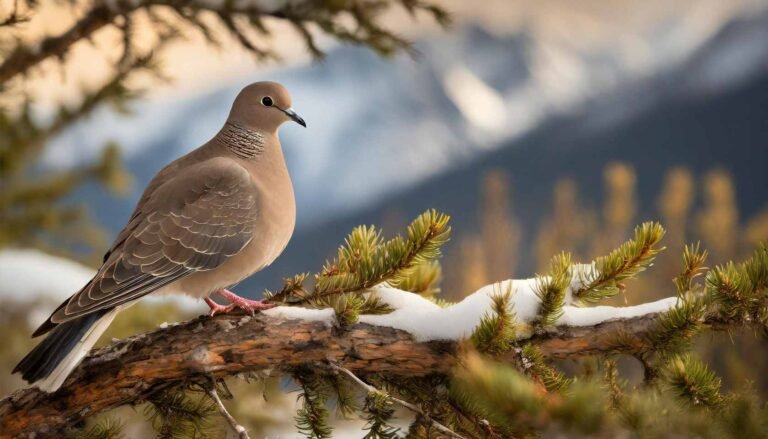
Mourning Dove
Identification: Slim body, long pointed tail, fast wingbeats, soft gray-brown tone.
Habitat: Agricultural ground, field edges, waterholes, open country.
Migration: Many Oregon birds leave at the first real fall weather shift.
Best strategy: Scout feed-to-water routes and hunt early in the season.
White-winged Dove
Identification: Larger, chunkier dove with bold white wing markings in flight.
Habitat: Rare and local compared with mourning doves in Oregon.
Migration: Not a major Oregon driver in most hunts.
Best strategy: Don’t assume every larger dove is legal just because it looks “different.” Identify first.
Eurasian Collared-Dove
Identification: Pale gray-tan body with dark collar on the neck.
Habitat: Town edges, farmsteads, grain facilities, rural residences.
Migration: More resident than migratory.
Best strategy: Check local access rules carefully, especially on managed public ground.
❓ Frequently Asked Questions
Can you hunt doves in Oregon on September 1, 2026?
Yes. Both Oregon dove zones open on September 1, 2026.
What is the daily dove limit in Oregon?
For mourning doves, the daily bag limit is 15 and the possession limit is 45.
Does Oregon have split dove seasons?
Yes, but only in Zone 1. Zone 1 has an early segment and a late segment. Zone 2 is continuous.
Do I need HIP for dove hunting in Oregon?
Yes. Oregon requires a free HIP validation for dove hunting.
Do I need an upland validation to hunt mourning doves in Oregon?
Oregon’s current license table lists HIP validation as the species-specific requirement for mourning dove.
Is lead shot legal for dove hunting in Oregon?
It can be, depending on where you hunt, but many wildlife areas and refuges require nontoxic shot only. Public-land hunters should verify local rules before loading up.
Are Eurasian collared-doves protected in Oregon?
They are treated differently from protected migratory doves, but some public areas still restrict take to authorized game bird seasons. Check the area you plan to hunt.
What part of Oregon is best for dove hunting?
In most years, ODFW points hunters toward the Columbia Basin and northern Malheur County for the strongest numbers.
🧭 Final Thoughts
Oregon Dove Season 2026-2027 is simple on paper and rewarding in the field. The opener is early, access is good if you scout, and the statewide rules are easier to manage than many hunters expect. Still, success in Oregon comes down to details: hunt the right zone, find feed and water, know your legal hours, and double-check whether your public area requires nontoxic shot.
If you want to keep building your fall plans, a smart next step is comparing nearby season structures with Washington Dove Season or Idaho Dove Season.
And if this page is part of a bigger planning session, your next useful reads are:
- Oregon Hunting Seasons 2026-2027
- Oregon Waterfowl Season
- Oregon Deer Season
- Oregon Hunting License Guide
- Dove Hunting Tips
Before opening day, verify the final rules for your exact hunt area, then go enjoy one of Oregon’s most underrated early-season bird hunts.