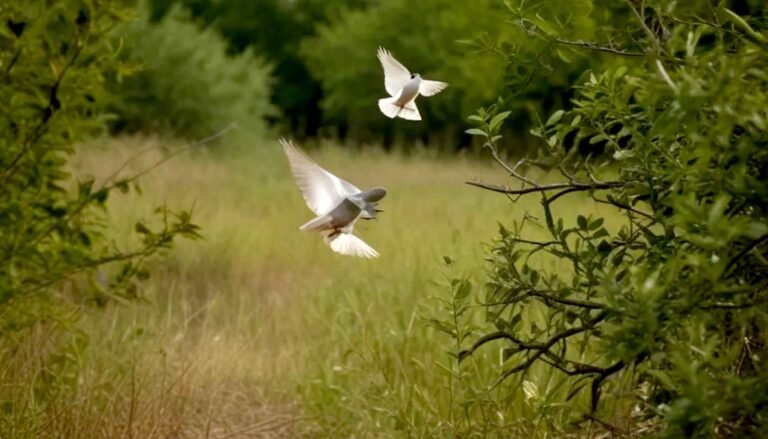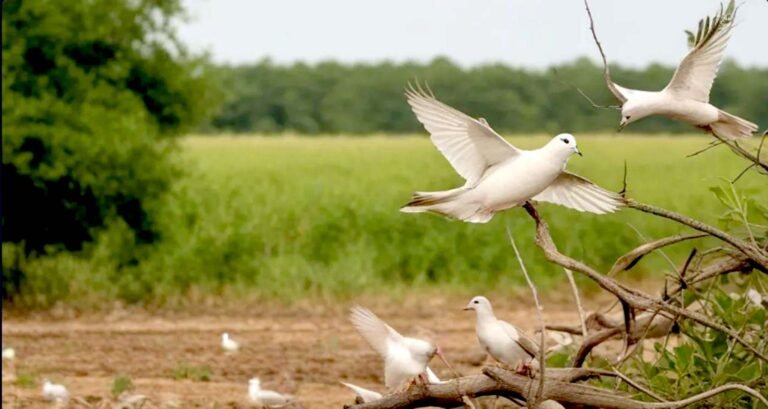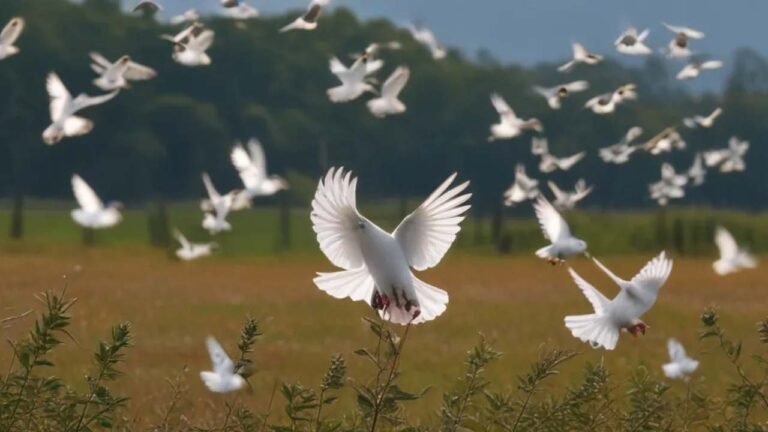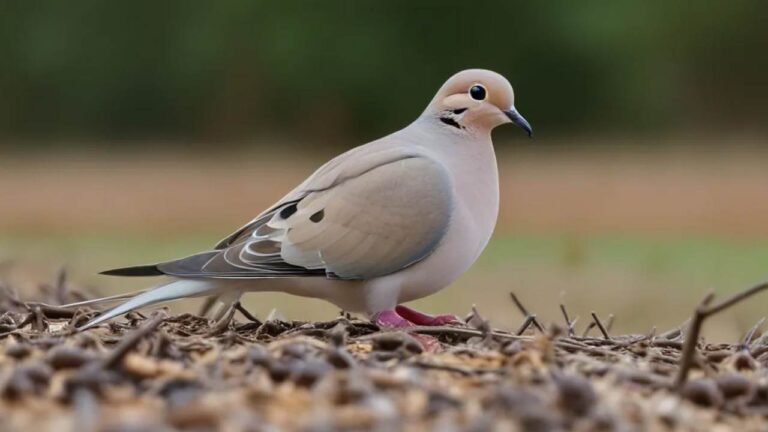
Mourning Doves Washington: 2026-2027 Early Fall Season for Hunting
If you are planning to hunt doves in Washington this fall, the key takeaway is simple: the official Washington Dove Season 2026-2027 for mourning doves is statewide from September 1 through October 30, 2026. Washington does not split mourning dove season into north, south, coastal, or central dove zones. Instead, hunters follow one statewide season, daily bag and possession limits, and Washington’s published legal shooting-hours table for Eastern and Western Washington.
For most hunters, that means checking four things before opener: your small game license, HIP/migratory bird permit compliance, your daily legal hours, and whether the ground you plan to hunt has any special nontoxic-shot or access restrictions. Washington also treats Eurasian collared doves differently from mourning doves, and the state does not publish a separate white-winged dove season line in the current digest.
This guide breaks down the latest official rules in plain English, plus where to hunt, what to carry, and how to avoid the most common opening-day mistakes. For current regulation verification, see Washington’s official game bird regulations and the U.S. Fish & Wildlife Service migratory bird regulations overview.
Quick Answer
Washington Dove Season 2026-2027 opens September 1, 2026 and closes October 30, 2026 for mourning dove, statewide. The daily bag limit is 15 and the possession limit is 45. Washington does not use dove hunting zones for mourning doves. Hunters need a valid Washington small game license plus the required migratory bird permit/HIP compliance. Legal shooting hours must follow Washington’s official daily table for Eastern and Western Washington.
Washington Dove Season 2026-2027 Overview
| Species | Season | Zone | Opening Date | Closing Date | Daily Bag Limit | Possession Limit | Status |
|---|---|---|---|---|---|---|---|
| Mourning dove | Open | Statewide | Sept. 1, 2026 | Oct. 30, 2026 | 15 | 45 | Official |
| White-winged dove | No separate line published | N/A | N/A | N/A | Verify current species rule before harvest | Verify | Not separately listed |
| Eurasian collared dove | Separate year-round opportunity | Statewide | Year-round | Year-round | Separate from mourning dove rule set | Separate | Non-native species under separate rules |
Official Dove Season Dates
🗓️ Mourning dove
For the 2026-2027 season year, Washington’s official mourning dove season runs September 1 through October 30, 2026, and it is statewide.
There is no split season for mourning doves in Washington. There are also no separate dove zones like you see in some southern and central states.
🕊️ White-winged dove
Washington’s current regulations do not publish a separate white-winged dove season. That matters because hunters should never assume a separate opportunity exists just because another state has one. In practical terms, if you are targeting the Washington Dove Hunting Season, plan around the statewide mourning dove rules unless Washington formally publishes something different.
🌍 Eurasian collared dove
Washington identifies Eurasian collared doves separately from mourning doves. They are a larger, non-native dove and are not managed under the same Sept.-Oct. mourning dove season line. Hunters should still confirm the current rule set before hunting them, but they are not the same as mourning doves for season-structure purposes.
Dove Hunting Zones in Washington
Here is the short answer: Washington does not have north, south, central, or coastal dove zones for mourning dove season.
That means:
- one statewide mourning dove season
- one statewide daily bag limit
- one statewide possession limit
- no split-zone opener dates
However, Washington does publish legal shooting hours by Eastern Washington and Western Washington, so the hour table changes by region even though the season dates do not.
Daily Bag Limits
| Species | Daily Limit | Possession Limit | Special Rules |
|---|---|---|---|
| Mourning dove | 15 | 45 | Statewide Sept. 1-Oct. 30 |
| White-winged dove | Not separately listed | Not separately listed | Do not assume a separate season or extra bag |
| Eurasian collared dove | Separate rules apply | Separate rules apply | Identify carefully; not the same rule line as mourning dove |
A smart way to think about Dove Hunting Regulations Washington is this: the only fully published dove bag line in the current statewide migratory season summary is the mourning dove line.
Legal Hunting Hours
⏰ What hours are legal?
Washington requires hunters to follow the state’s official daily shooting-hours table for migratory game birds. Those hours vary by date and by whether you are in Western Washington or Eastern Washington.
On opening day, September 1, 2026:
- Western Washington: 6:00 a.m. to 7:45 p.m.
- Eastern Washington: 5:50 a.m. to 7:35 p.m.
That is why dove hunters should never rely only on a generic sunrise app. Washington publishes the legal times you must follow.
Federal framework note
Federal migratory bird frameworks generally allow states to build seasons inside the traditional one-half hour before sunrise to sunset window. Washington turns that framework into a specific daily table, so use the state table in the field.
Licenses Needed
🎫 What you need to hunt mourning doves
For a normal Washington mourning dove hunt, plan on:
- Washington small game license
- Migratory bird permit
- HIP compliance through the required survey process
License price summary
| License/Permit | Resident | Nonresident |
|---|---|---|
| Small Game License | $55.13 | $252.47 |
| 3-Day Small Game License | N/A | $93.08 |
| Migratory Bird Permit | $23.27 | $23.27 |
| Migratory Bird Authorization | $18.22 | $18.22 |
Important license notes
- HIP registration: Required for migratory game bird hunters.
- Migratory bird authorization: This product appears in the fee table, but standard mourning dove hunting is centered on the small game license plus migratory bird permit/HIP compliance. Extra authorizations are more relevant to species that require harvest cards or special reporting.
- Federal Duck Stamp: Not required for dove hunting. That is a waterfowl requirement.
- Youth hunters: Youth licenses and reduced fees may apply, but youth still need the proper legal hunting credentials.
- Military/Guard: Washington offers a free annual package for eligible National or State Guard members that includes small game privileges with migratory bird permit coverage.
- Senior/reduced-fee products: Available in some categories, but check the current purchase system before buying.
- Hunter education: Required for anyone born after Jan. 1, 1972, unless lawfully hunting under a one-time deferral.
Legal Hunting Methods
🔫 What is legal for Washington dove hunting?
Washington keeps dove rules fairly straightforward, but a few details matter a lot.
- Shotguns: Your shotgun may not hold more than three shells total.
- Plug requirement: If your gun can hold more than three shells, it must be plugged.
- Gauge restrictions: Washington’s dove rules do not create a special gauge-only restriction, but standard shotgun laws still apply.
- Nontoxic shot: This is the big one. Washington requires nontoxic shot for mourning dove hunting on all WDFW designated pheasant release sites and at certain other listed areas, including parts of McNary National Wildlife Refuge.
- Baiting: Hunting doves over bait or a baited area is unlawful.
- Electronic calls: Washington specifically bans them for some species like waterfowl and turkey; dove hunters should stay conservative and avoid any setup that could invite a citation or dispute.
- Motor vehicles: You may not hunt from a vehicle unless you qualify under a legal disabled-hunter exception.
- Boats: No shooting from a motor-propelled boat unless the motor is off and forward progress has stopped.
- Road shooting: Never shoot from, across, or along the maintained part of a public highway.
- Decoys and retrievers: Standard decoy spreads and retrieving dogs are commonly used, but always respect local land rules and safety spacing.
Best Places to Hunt Doves in Washington
📍 Public-land options worth scouting
1. Columbia Basin Wildlife Area
Huge acreage in Grant and Adams counties with upland habitat, wetlands, and many units. This is one of the best starting points for hunters looking for productive eastern Washington bird country.
2. Lower Crab Creek Unit
A proven dove-style landscape with riparian cover, seep ponds, and uplands near the Saddle Mountains. Good fit for hunters who like water-and-feed travel lanes.
3. Gloyd Seeps Unit
Classic scabland and wetland mix in Grant County. Good choice for evening flights near water and loafing cover.
4. Sunnyside Wildlife Area Unit
Yakima County ground with agricultural fields, river corridor habitat, and upland-bird opportunity. Strong place to scout where ag and water meet.
5. Whiskey Dick Wildlife Area Unit
Shrubsteppe, canyons, ridges, and open country near Ellensburg. Better known for multiple upland species, but it still offers mourning dove opportunity.
6. Private lands access in eastern Washington
Washington’s private-lands programs can be excellent for dove hunting, especially in Benton, Franklin, Grant, Adams, Walla Walla, and Klickitat counties.
Access reminder: many WDFW lands require a Discover Pass unless your hunting license package includes a Vehicle Access Pass.
Top Dove Hunting Tips
🎯 15 Washington-specific tips
- Scout water first, especially in the Columbia Basin.
- Then scout grain stubble, pivot corners, and weedy field edges.
- Focus on Grant, Franklin, Walla Walla, Yakima, Klickitat, and Clark counties.
- In hot weather, evening water flights often beat random field sits.
- On opener, get under powerlines, dead snags, and isolated trees near feed.
- In shrubsteppe country, watch how birds use low saddles and creek bends.
- Don’t over-hide. Doves beat movement more than color.
- Use a light stool and stay mobile.
- Carry more shells than you think you need, but shoot selectively.
- If you hunt a WDFW release site, double-check your nontoxic shot before leaving the truck.
- Use Washington’s official daily hours table, not guesswork.
- Wind can improve crossing shots in canyon country.
- Late in the season, hunt fresh-cut or recently disturbed food sources.
- Knock on doors early in farm country; the best Washington dove shoots are often on private land.
- Learn Eurasian collared-dove ID so you do not pass a legal bird or, worse, misidentify a mourning dove.
Recent Regulation Changes for 2026-2027
🔄 What changed?
There do not appear to be major structural changes to Washington’s mourning dove season for 2026-2027. The key framework remains:
- statewide season
- Sept. 1-Oct. 30 dates
- 15 daily / 45 possession
- state-published East/West shooting hours
- HIP plus migratory bird permit compliance
One practical update hunters should notice is current license pricing. Do not rely on an older digest or an old screenshot from a prior season.
Hunter Safety Tips
🦺 Hunt smart
- Wear eye and hearing protection every trip.
- Treat every fence crossing like a live-fire moment.
- Keep muzzles high when birds swing low behind the line.
- In September heat, pack more water than you think you need.
- Protect dogs from hot ground, cheatgrass, and dehydration.
- Positively identify every bird before shooting.
- Pick birds quickly and mark downed doves fast.
- Respect landowners, access rules, and safe shooting lanes.
Common Dove Species Found in Washington
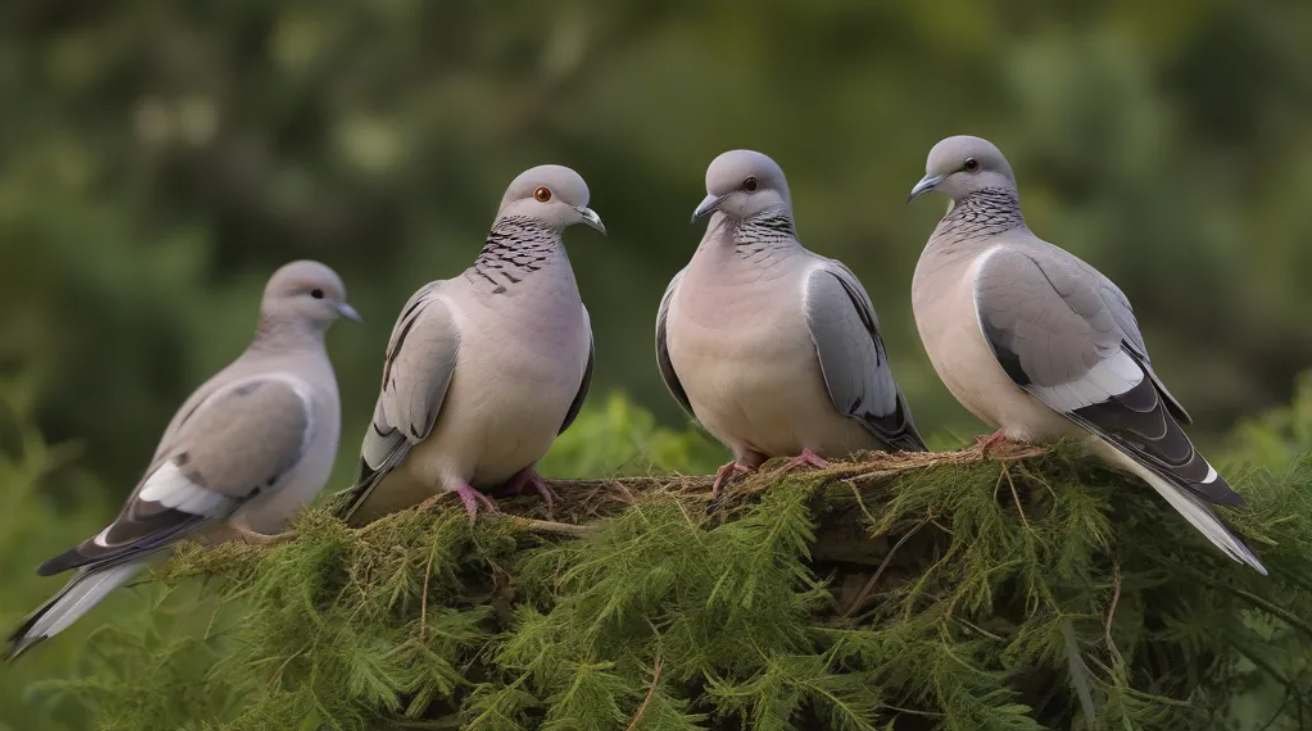
🐦 Mourning dove
- Identification: Small, slim, pointed tail, fast wingbeats.
- Habitat: Ag edges, shelterbelts, open country, water nearby.
- Migration: Main legal fall target.
- Best strategy: Hunt water, feed-to-roost routes, and edges of harvested fields.
🐦 Eurasian collared dove
- Identification: Much larger, pale gray-tan, obvious black neck ring.
- Habitat: Farmsteads, grain yards, barns, towns, and rural edges.
- Migration: Non-native; not managed like mourning doves.
- Best strategy: Scout silos, dairies, feedlots, and utility lines around agriculture.
🐦 White-winged dove
- Identification: Larger-bodied than a mourning dove, bold white wing flash in flight.
- Habitat: Rare and localized visitor in Washington.
- Migration: Not a regularly published Washington dove-season line.
- Best strategy: Do not target them unless you have confirmed the current rule and can identify the bird cleanly.
Frequently Asked Questions
Do I need a Federal Duck Stamp to hunt doves in Washington?
No. A Federal Duck Stamp is for waterfowl hunting, not mourning dove hunting.
What is the opening day for Washington Dove Season 2026-2027?
The official mourning dove opener is September 1, 2026.
What is the daily bag limit for mourning doves in Washington?
The daily bag limit is 15, with a possession limit of 45.
Does Washington have dove zones?
No. Mourning dove season is statewide.
Can I hunt Eurasian collared doves year-round in Washington?
Washington treats Eurasian collared doves under separate non-native rules rather than the standard mourning dove season line. Verify the current pamphlet before hunting.
Is lead shot legal for dove hunting?
Sometimes, yes, but not everywhere. On WDFW designated pheasant release sites and certain listed areas, you must use nontoxic shot.
What are legal shooting hours for doves?
They follow Washington’s official daily table for migratory game birds, with separate Eastern and Western Washington times.
Do nonresidents need the same dove permits?
Yes. Nonresidents still need the proper Washington license and migratory bird permit/HIP compliance.
Where is the best public-land dove hunting in Washington?
Start with the Columbia Basin Wildlife Area, then scout units like Lower Crab Creek, Gloyd Seeps, and Sunnyside.
Final Thoughts
Washington keeps dove hunting fairly clean compared with many states: one statewide mourning dove season, clear bag limits, and no confusing north-south zone split. That said, the details still matter. Legal hours change by region and date, site-specific nontoxic-shot rules can trip people up, and non-native Eurasian collared doves are not the same as mourning doves.
If you want the best odds of a solid opener, scout water, grain, and roost lines in eastern Washington before Sept. 1. And before you load the truck, verify the current digest one last time. If you also hunt across the border, a useful related read is Oregon Dove Season.