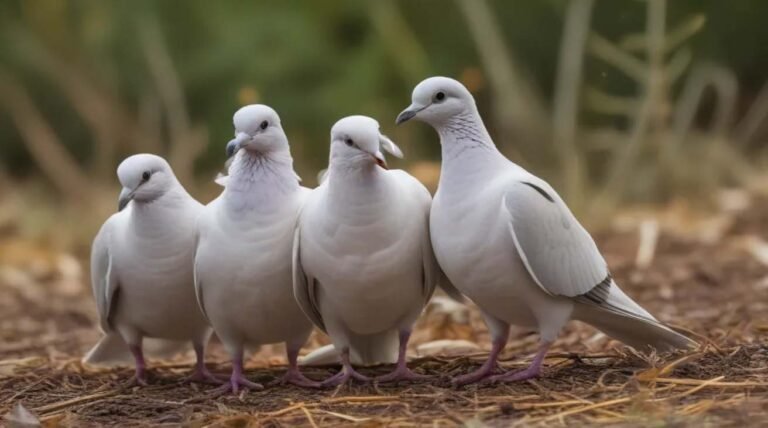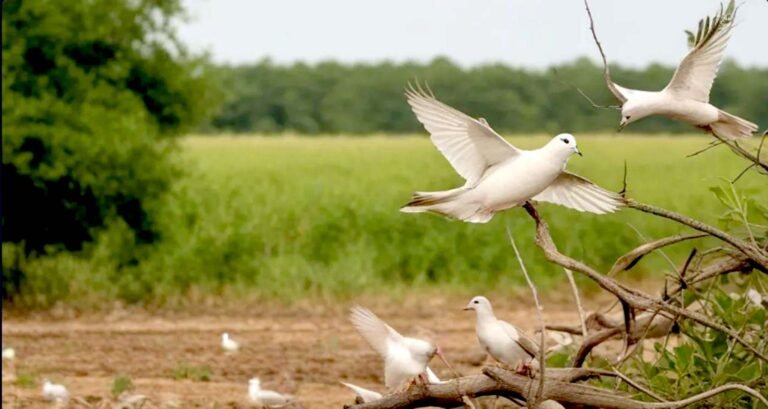
🕊️ Golden State Wingshooting: Your 2026-2027 California Migratory Bird Primer
California dove season for 2026-2027 runs Sept. 1-15 and Nov. 14-Dec. 28 for mourning dove and white-winged dove, statewide. The daily bag limit is 15 doves in the aggregate, with no more than 10 white-winged doves, and the possession limit is 45. Spotted dove and ringed turtle-dove follow the same split dates with no limit, while Eurasian collared-dove is open year-round with no limit. Hunters need a valid California hunting license, HIP validation, and usually an upland game bird validation unless hunting on a junior license.
This guide is built from the latest official regulations and current federal migratory bird framework rules published by California Department of Fish and Wildlife upland game bird regulations and the U.S. Fish & Wildlife Service migratory bird hunting regulations.
California Dove Season 2026-2027 Overview
California’s dove opener is one of those dates upland hunters circle early. It usually starts on Sept. 1, and in 2026 the state keeps its familiar split season format: an early September opener followed by a late fall/winter segment. For most hunters, that means hot-weather field shoots in the opener, then a different pace once birds shift back into grain, water, and travel routes later in the season.
The key thing to know this year is that California’s regular mourning dove and white-winged dove season is statewide, not broken into separate dove zones. Hunters still need to pay attention to access rules because wildlife areas, ecological reserves, and permit-only fields can all operate differently. Bag limits, HIP, license requirements, and California’s statewide nonlead ammunition law all matter just as much as the calendar.
California gives dove hunters a long-standing two-part season rather than one continuous run. That split helps keep opportunity open across early migration and later fall movement.
| Species | Season | Zone | Opening Date | Closing Date | Daily Bag Limit | Possession Limit | Status |
|---|---|---|---|---|---|---|---|
| Mourning Dove | Split season | Statewide | Sept. 1, 2026 | Sept. 15, 2026; reopens Nov. 14 and closes Dec. 28, 2026 | 15 aggregate with white-winged dove | 45 | Official |
| White-winged Dove | Split season | Statewide | Sept. 1, 2026 | Sept. 15, 2026; reopens Nov. 14 and closes Dec. 28, 2026 | Included in 15 aggregate; max 10 | 45 | Official |
| Spotted Dove | Split season | Statewide | Sept. 1, 2026 | Sept. 15, 2026; reopens Nov. 14 and closes Dec. 28, 2026 | No limit | No limit | Official |
| Ringed Turtle-Dove | Split season | Statewide | Sept. 1, 2026 | Sept. 15, 2026; reopens Nov. 14 and closes Dec. 28, 2026 | No limit | No limit | Official |
| Eurasian Collared-Dove | Continuous | Statewide | Jan. 1, 2026 | Dec. 31, 2026 | No limit | No limit | Official |
Official Dove Season Dates
For 2026-2027, California’s regular dove calendar is straightforward.
- Mourning dove and white-winged dove: Sept. 1-15, 2026 and Nov. 14-Dec. 28, 2026
- Spotted dove and ringed turtle-dove: Sept. 1-15, 2026 and Nov. 14-Dec. 28, 2026
- Eurasian collared-dove: Open all year
The most important detail is that mourning dove and white-winged dove are managed together under one aggregate bag. If your strap contains 15 total birds, you are done for the day, and only 10 of those may be white-wings.
California also uses a split season, which matters for planning. The early segment is the classic opener around cut grain, water, and feed. The second half can be excellent too, especially where birds keep using managed habitat, public fields, or agricultural edges.
Dove Hunting Zones in California
This is one place where many hunters overcomplicate the rules: California does not use separate statewide dove zones such as north, south, central, or coastal zones for the regular season. The season is listed as statewide.
What does change is access, not season dates.
Hunters will still see meaningful regional differences in:
- Sacramento Valley wildlife areas
- San Joaquin Valley public hunt fields
- Imperial Valley and Palo Verde desert-agriculture country
- Southern California managed areas
- Permit-only or draw-only special hunts
So while there are no formal statewide dove zones, there are definitely local management differences. Always check the specific wildlife area, ecological reserve, refuge, or hunt notice before you drive.
Daily Bag Limits
Here is the simplest way to read California’s 2026 dove limits.
| Species | Daily Limit | Possession Limit | Special Rules |
|---|---|---|---|
| Mourning Dove | Included in 15-bird aggregate | 45 | Combined with white-winged dove |
| White-winged Dove | Included in 15-bird aggregate | 45 | No more than 10 per day |
| Spotted Dove | No limit | No limit | Still verify species carefully |
| Ringed Turtle-Dove | No limit | No limit | Still verify species carefully |
| Eurasian Collared-Dove | No limit | No limit | Open year-round; special area rules may apply |
A practical field rule: if you are hunting a mixed flight, identify birds before you shoot and again before you leave. California also requires doves in possession or transport to have one fully feathered wing attached until you get them home or to a commercial preservation facility.
Legal Hunting Hours
Legal shooting time for doves in California is:
- One-half hour before sunrise to sunset
That is the core statewide rule for migratory game birds, including mourning dove and white-winged dove.
A few notes matter here:
- There is no special statewide noon opener in the current dove regulations.
- Some public hunt areas use reservation systems, permit windows, or noon public-release rules on opening day, so site-specific access can be more restrictive than the statewide hours.
- A special local exception applies in areas adjacent to the waters of Morro Bay in San Luis Obispo County, where shooting begins at 7:00 a.m. and runs to sunset.
Licenses Needed
Most California dove hunters need three things before they ever load a shell.
Required for most hunters
- California hunting license
- Upland game bird validation
- HIP validation for migratory bird hunting
Important license details
- Junior hunters: A junior hunting license holder does not need the upland game bird validation, but still must carry the hunting license and complete HIP for dove hunting.
- Nonresidents: California offers standard nonresident hunting licenses, and hunters age 16 or older may also be eligible for a two-day nonresident hunting license for migratory and upland bird hunting.
- Seniors: California does not list a free or reduced-fee hunting license just for senior citizens.
- Disabled veterans: California does offer a reduced-fee hunting license for qualifying disabled veterans.
- Military exemptions: The current licensing guidance does not create a broad dove-specific military exemption, so active-duty hunters should plan on meeting the normal license and validation requirements unless they qualify under a separate program.
- Federal duck stamp: Not required for dove hunting because doves are not waterfowl.
Legal Hunting Methods
California dove rules are hunter-friendly, but they are not loose.
Firearms and gear rules
- Shotguns must be 10 gauge or smaller
- The gun must hold no more than three shells total in the chamber and magazine combined
- If plugged, the plug must be a one-piece plug that cannot be removed without disassembling the shotgun
- Nonlead ammunition is required statewide when taking wildlife with a firearm in California
Other legal and illegal methods
- Falconry is an authorized method
- Bow and arrow or crossbow may be used, but only with flu-flu fletching
- Electronic or mechanically operated calling devices are prohibited
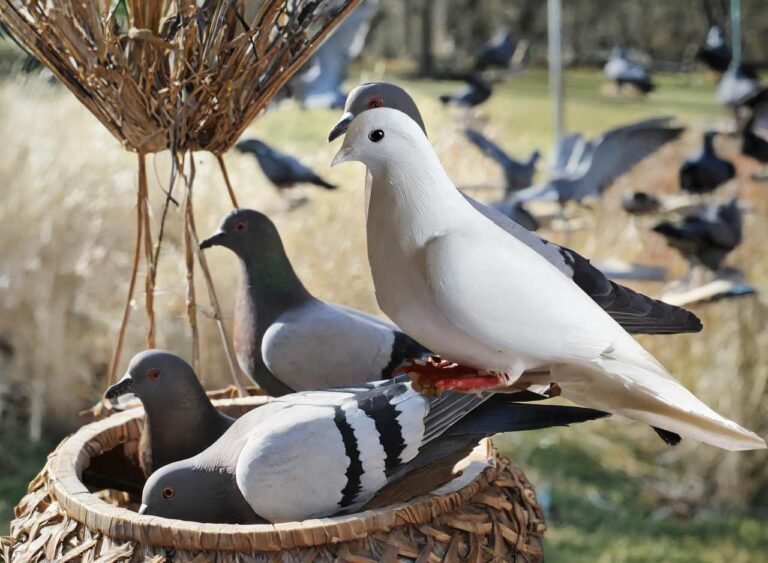
- Live decoys are prohibited
- Hunting within 400 yards of a baited area is illegal, unless seed is present only because of normal agricultural operations
- You may not shoot from or upon a public road
- You may not possess a loaded shotgun in a vehicle on a public highway or other public way
Retrievers can be a big help in sunflower, safflower, and stubble fields, but dog handlers should still follow local area rules and recover birds promptly.
Best Places to Hunt Doves in California
California’s best public dove hunting is tied to agriculture, managed habitat, and desert water.
Top official public opportunities
- Imperial Wildlife Area — Southern California’s best-known public dove country, especially where managed fields and irrigated habitat hold birds.
- San Jacinto Wildlife Area — A proven public option for hunters in Southern California who want managed access without a long desert haul.
- Palo Verde Ecological Reserve — Strong opener potential where ag habitat and desert travel lines come together.
- Los Banos Wildlife Area — A classic San Joaquin Valley public destination with opener procedures that can include permit-only morning access.
- North Grasslands Wildlife Area, Salt Slough Unit — Good valley access with managed fields and lottery-based opener structure.
- Mendota/Pilibos area — Worth watching for special family and junior hunts near Mendota.
- Upper Butte Basin, Gray Lodge, Yolo Bypass, Oroville, and Spenceville wildlife areas — Sacramento Valley options CDFW has highlighted when prepared fields are available.
- Carrizo Plains Ecological Reserve (Chimineas Ranch) — More specialized access, but a solid public-land choice for hunters who like open-country upland settings.
- Canada de San Vicente Ecological Reserve — Limited draw-style opportunity in San Diego County.
Most national forests and general mountain public land are not the first places experienced California hunters think of for doves. The best success usually comes from valley grain country, desert agriculture, water lines, and prepared public fields.
If you hunt the border states too, it can help to compare timing and rules with the Arizona dove season guide and the Nevada dove season guide.
Top Dove Hunting Tips
- Scout water first in hot weather.
- Then scout feed fields, not just open ground.
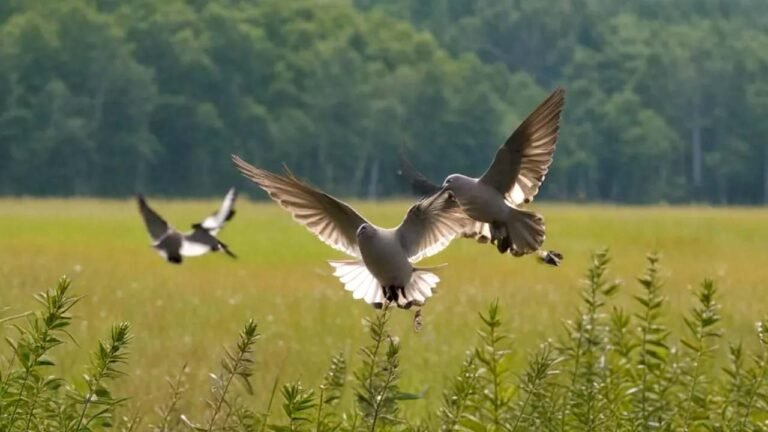
- Watch flight lines at first light and last light.
- Sit off the obvious X instead of directly under it.
- Use shade whenever possible on the opener.
- Wear dull colors that blend into field edges.
- Keep movement low when birds start circling.
- Pick one bird and stay in the gun.
- Pattern your shotgun with nonlead before opening day.
- Bring more shells than you think you need.
- Mark downed birds immediately.
- Use a dog if cover is thick or birds are falling in sunflowers.
- Carry plenty of water and ice.
- Avoid crowding another hunter’s lane.
- Clean birds quickly in hot weather.
- Learn white-wing versus mourning dove wing shape before season.
- Midday can still produce around water, gravel, and transition routes.
Recent Regulation Changes for 2026-2027
For California dove hunters, the current rules appear substantially unchanged in the ways that matter most.
The headline items remain the same:
- statewide split season structure
- 15-bird aggregate bag for mourning and white-winged doves
- 10-bird cap on white-winged doves within that daily bag
- year-round, no-limit Eurasian collared-dove season
- statewide nonlead ammunition requirement
At the federal level, the Pacific Flyway recommendation for the Western Management Unit also shows no change to the core dove framework for California, which is why the season structure still fits the familiar early-September and late-fall pattern.
Hunter Safety Tips
Dove hunting looks simple, but the opener can be one of the most accident-prone days of the year.
- Keep muzzle control tight in crowded fields
- Wear both eye and hearing protection
- Know exactly where the next hunter is sitting
- Never shoot low birds
- Drink water early, not after you feel heat stress
- Use a cooler and keep birds shaded
- Protect dogs from heat and cactus country
- Positively identify white-wings, mourning doves, and Eurasian collared-doves
- Respect private land boundaries
- Recover every bird you shoot
Ethical shooting matters. Passing on borderline shots usually means fewer lost birds and cleaner kills.
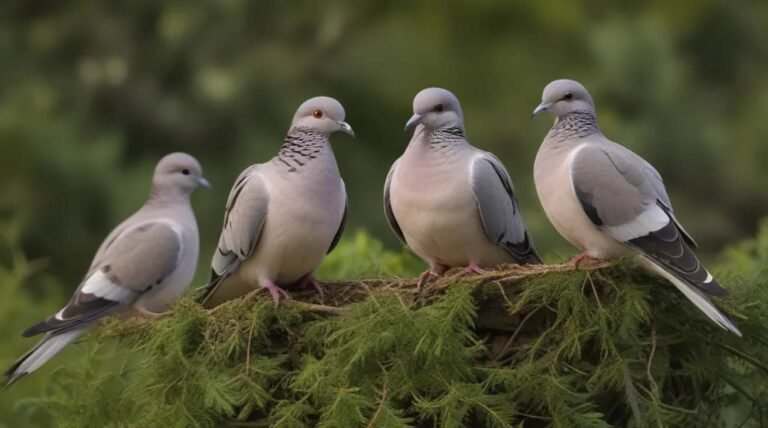
Common Dove Species Found in California
Mourning Dove
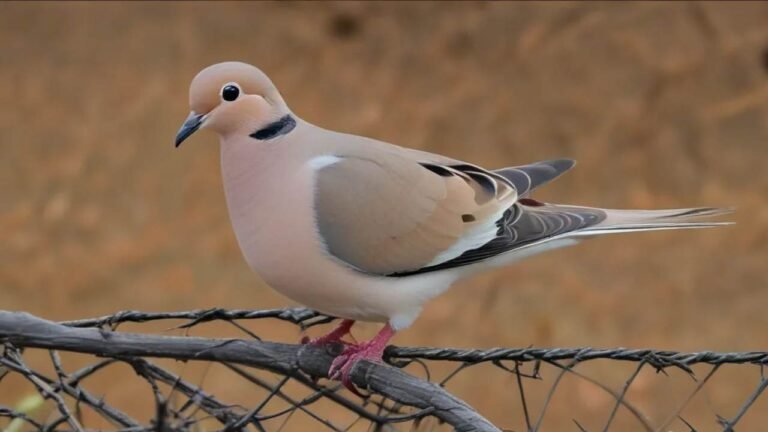
Identification: Slim bird with a pointed tail and dark spots on the back.
Habitat: Grain fields, field edges, powerlines, water holes, and open ag country.
Migration: Highly migratory and the backbone of California dove hunting.
Best strategy: Hunt travel lanes between roosts, feed, and water.
White-winged Dove
Identification: Bold white on the leading edge of the wing, squarer tail, buffy body.
Habitat: Southern California agriculture, desert-edge habitat, and urban-ag transitions.
Migration: Commonly mixed with mourning doves early in the season.
Best strategy: Watch high, direct flight lines and identify birds before shooting.
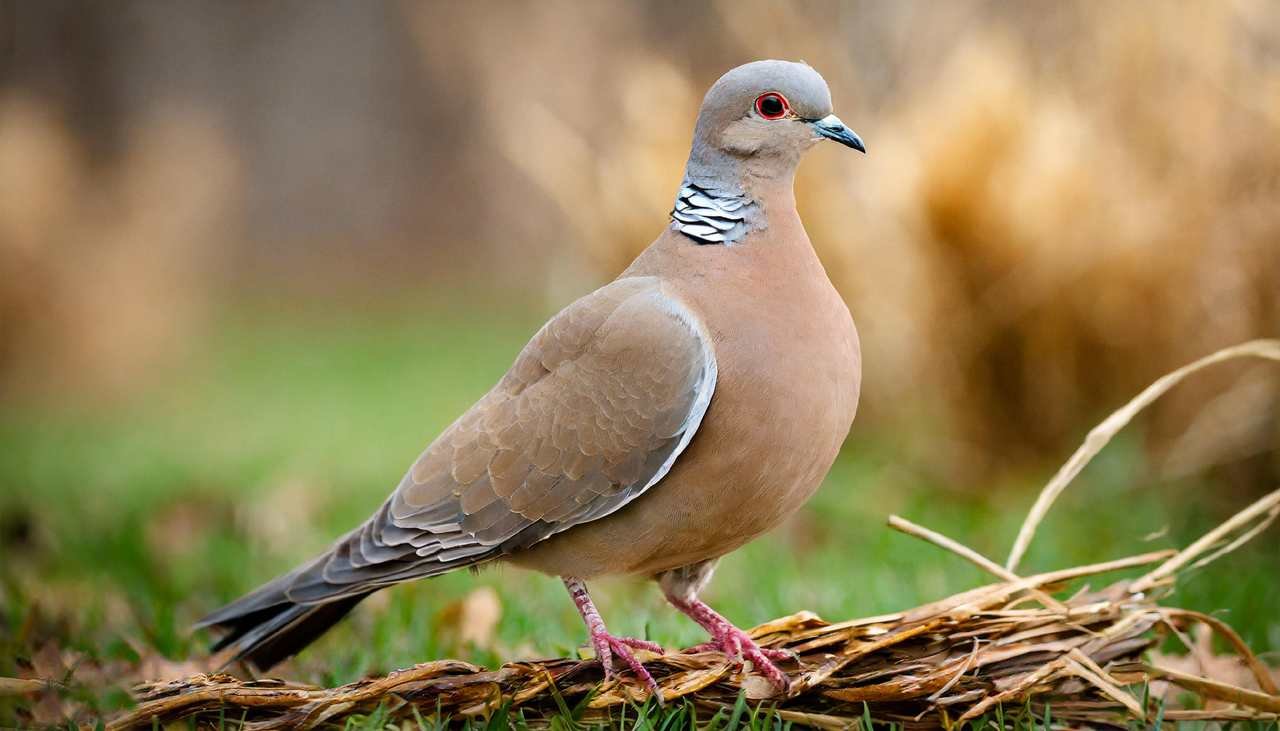
Eurasian Collared-Dove
Identification: Larger dove with a black collar on the neck and a squared tail.
Habitat: Farmsteads, grain facilities, rural neighborhoods, barns, and towns.
Migration: Non-native, largely resident, and open year-round.
Best strategy: Focus on loafing areas, feedlots, and water near human development.
Spotted Dove and Ringed Turtle-Dove
Identification: Larger, more domestic-looking doves than mourning doves; always verify carefully before shooting.
Habitat: Semi-rural edges, farms, orchards, and developed ag country.
Migration: Less central to most hunts than mourning doves.
Best strategy: Treat them as incidental opportunities while focusing your setup on regular dove traffic.
Frequently Asked Questions
Can you hunt doves all day in California?
Yes. Legal shooting time is one-half hour before sunrise to sunset, although some public hunt areas may have their own access or check-in procedures.
What is the California dove bag limit for 2026?
The daily bag limit is 15 mourning and white-winged doves combined, and no more than 10 of those may be white-winged doves.
Is Eurasian collared-dove open year-round in California?
Yes. Eurasian collared-dove is open all year with no bag limit, though some public wildlife areas may limit hunting to regular dove season dates.
Do you need HIP to hunt dove in California?
Yes. Dove hunters must complete the HIP survey and have HIP validation on their California hunting license.
Do junior hunters need an upland game bird validation?
No. Junior license holders are exempt from the upland game bird validation, but they still need a valid junior hunting license and HIP.
Is lead shot legal for dove hunting in California?
No. California requires nonlead ammunition statewide when taking wildlife with a firearm.
Are electronic dove calls legal in California?
No. Electronic or mechanically operated calling or sound-reproducing devices are prohibited for migratory game birds.
Can you hunt doves over a harvested field?
Usually yes, if the field condition results from normal agricultural operations. What you cannot do is hunt within 400 yards of a baited area.
Are there dove hunting zones in California?
Not for the regular statewide season. California lists mourning and white-winged dove season as statewide.
Final Thoughts
California’s 2026-2027 dove season gives hunters a very solid mix of opener tradition, public access, and late-season opportunity. The rules are not hard to follow if you boil them down: know the split dates, carry the right license and validations, use nonlead shot, respect the bag limit, and identify birds correctly before you pull the trigger.
For most hunters, success will come down to scouting more than gear. Find food, find water, and find the route between them. Then show up early, sit safely, and stay patient.