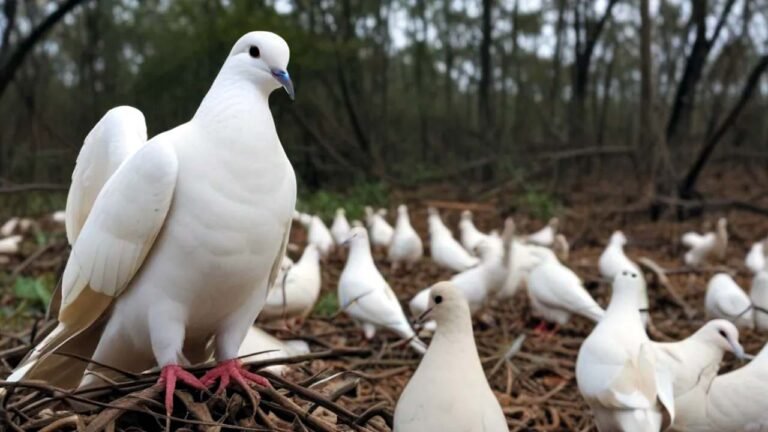
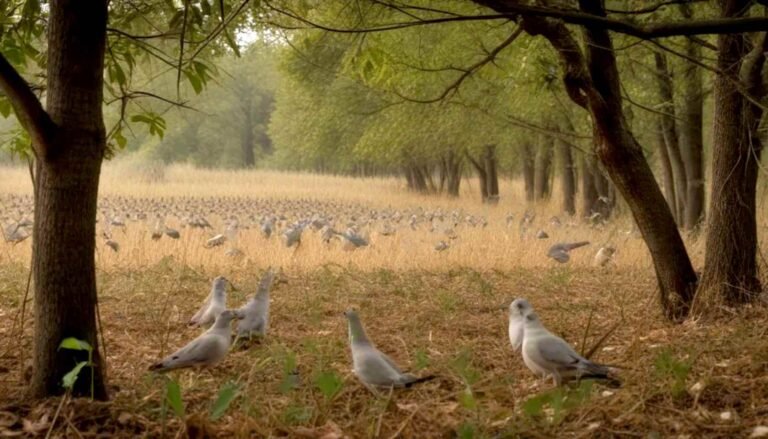
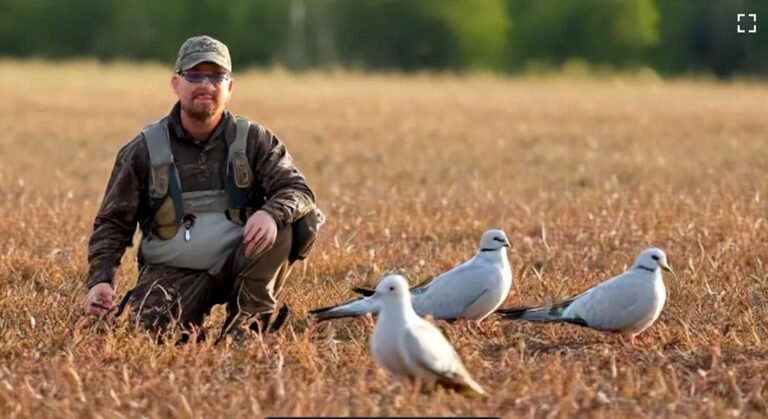
Dove Games in Rhode Island: 2026-2027 Season Participation in Migratory Bird Hunting
Rhode Island’s 2026-2027 mourning dove season is scheduled in two segments: September 1–30, 2026, and October 17–December 15, 2026. The statewide daily bag limit is 15 mourning doves, with a possession limit of 45 birds. Legal shooting hours run from one-half hour before sunrise until sunset.
Unlike several southern states, Rhode Island does not divide dove hunting into north, south, central, or coastal zones. The state’s 2026-2027 guide lists one statewide mourning dove season. It also does not establish separate seasons or bag limits for white-winged doves or Eurasian collared-doves.
Hunters need a valid Rhode Island hunting license and a free Migratory Bird Harvest Information Program, or HIP, certification. Waterfowl stamps and the federal Duck Stamp apply to qualifying waterfowl hunters—not ordinary dove hunters. Always check the official regulation guide before leaving home because area closures, management-area restrictions, and administrative requirements can change. The state’s official guide identifies the current seasons, public hunting areas, legal hours, and migratory-bird rules.
Rhode Island’s 2026-2027 mourning dove season runs September 1–30 and October 17–December 15. The daily limit is 15 mourning doves, the possession limit is 45, and shooting hours are one-half hour before sunrise to sunset. Rhode Island has no separate dove zones listed in its current guide.
Rhode Island Dove Season 2026-2027 Overview
| Species | Season | Zone | Opening Date | Closing Date | Daily Bag Limit | Possession Limit | Status |
|---|---|---|---|---|---|---|---|
| Mourning dove | Split season | Statewide | September 1, 2026 | September 30, 2026 | 15 | 45 | Officially listed |
| Mourning dove | Split season | Statewide | October 17, 2026 | December 15, 2026 | 15 | 45 | Officially listed |
| White-winged dove | Not separately listed | None specified | Not applicable | Not applicable | Not listed | Not listed | Not separately authorized in the RI guide |
| Eurasian collared-dove | Not separately listed | None specified | Not applicable | Not applicable | Not listed | Not listed | Not separately authorized in the RI guide |
The Rhode Island dates are published in the state’s 2026-2027 hunting guide. The federal government establishes the outer framework for migratory bird seasons, while Rhode Island selects its dates and regulations within that framework.
Federal 2026-2027 framework materials should still be checked for any later action affecting the state’s season. The U.S. Fish and Wildlife Service describes these annual frameworks as the limits within which states choose dates, areas, and harvest rules.
Official Dove Season Dates
Mourning dove
The official Rhode Island mourning dove season has two segments:
- September 1–September 30, 2026
- October 17–December 15, 2026
The October gap is a closed period. Hunters may not carry the first segment into the closure or assume that a continuous season applies.
Rhode Island’s guide lists mourning dove as the dove species with an established hunting season. It does not provide separate Rhode Island seasons for white-winged doves, Eurasian collared-doves, or other dove species.
Split-season strategy
The early segment is usually the most attractive period for hunters who want warm-weather action and predictable feeding patterns. The second segment occurs after the September closure and may coincide with increased movement as birds respond to weather, food availability, and migration.
Because Rhode Island is compact, scouting can be more valuable than driving long distances. A field that produces birds during the first segment may change quickly after mowing, harvest, hunting pressure, or weather fronts.
Dove Hunting Zones in Rhode Island
Rhode Island does not list north, south, central, or coastal dove zones in the 2026-2027 hunting guide. The mourning dove season is presented as a statewide season, subject to property-specific closures and management-area rules.
Therefore:
- There is no separate North Zone dove opener.
- There is no South Zone closing date.
- There is no Central Zone bag limit.
- There is no special coastal dove framework listed.
- A wildlife management area may still impose additional restrictions.
Always read posted signs at the property. Public-land rules can be narrower than statewide rules, and some areas open to general hunting may be closed to mourning dove hunting.
Daily Bag Limits
| Species | Daily Limit | Possession Limit | Special Rules |
|---|---|---|---|
| Mourning dove | 15 | 45 | Possession limit is three times the daily bag limit |
| White-winged dove | Not listed | Not listed | No separate Rhode Island season identified |
| Eurasian collared-dove | Not listed | Not listed | No separate Rhode Island season identified |
The possession limit includes birds in the field, in a vehicle, in a cooler, or otherwise under the hunter’s control. Every dove killed or crippled should be retrieved and counted.
Do not treat a possession limit as a second daily limit. A hunter may not take 15 birds, return home, and then immediately take another 15 while still possessing the first birds if the total exceeds the legal possession limit.
Legal Hunting Hours
Rhode Island lists dove shooting hours as:
One-half hour before sunrise until sunset.
This is different from an all-day shooting schedule. Hunters should confirm the official sunrise time for the county and date, then wait until the legal opening time.
There is no separate opening-day shooting-hours exception identified for Rhode Island mourning dove hunting. The first segment also has a fluorescent-orange exception for dove hunters, but this does not eliminate the need to identify targets and maintain safe shooting zones.
Licenses Needed
Rhode Island hunting license
Anyone hunting wild birds in Rhode Island generally needs a valid Rhode Island hunting license unless a specific exemption applies. Hunters should carry the license while hunting and present it upon lawful request.
HIP certification
All migratory bird hunters must complete Rhode Island’s free HIP certification and short survey. HIP is required for migratory bird hunting and helps wildlife agencies estimate harvest and participation.
Waterfowl stamps
A Rhode Island Waterfowl Stamp and Federal Migratory Bird Hunting and Conservation Stamp are requirements associated with qualifying waterfowl hunting, generally for hunters age 16 and older. They are not ordinary dove-stamp requirements for a hunter pursuing mourning doves only.
Fee summary
| Requirement | 2026-2027 status |
|---|---|
| Rhode Island hunting license | Required unless exempt; verify the current price in the licensing system |
| HIP certification | Free |
| Rhode Island Waterfowl Stamp | For qualifying waterfowl hunters, not ordinary dove-only hunting |
| Federal Duck Stamp | For qualifying waterfowl hunters, not ordinary dove-only hunting |
| Junior license | Available to qualifying youth ages 12–14 who meet hunter-education rules |
| Senior/permanent license | Eligibility and price depend on Rhode Island’s current exemption rules |
| Military exemption | Prior or current military status may satisfy hunter-education documentation requirements; verify license eligibility |
The current guide confirms HIP is free. Because license prices and access fees can change, hunters should verify the current resident, nonresident, junior, senior, and military pricing before purchasing. Do not rely on an older license-fee table from a previous season.
Legal Hunting Methods
Rhode Island’s migratory-bird rules generally allow legal hunting with:
- A shotgun, no larger than 10 gauge
- A shotgun limited to three shells through a proper plug
- Bow and arrow
- Legal falconry methods
For shotgun hunters, a plugged 12-gauge is a practical choice. Lead shot is not automatically prohibited for ordinary dove hunting statewide, but special public-area restrictions can apply. At South Shore Management Area, lead-shot restrictions apply in designated circumstances, and hunters must follow posted requirements.
Additional rules include:
- Do not hunt over bait or a feed pile.
- Do not shoot from a motor vehicle.
- Do not shoot across or along a public road.
- Electronic calls should not be used for mourning doves unless specifically authorized.
- Use decoys only where the property and season rules allow them.
- Retrieve downed birds and include them in the daily bag.
- Leave one fully feathered wing or the head attached when transport rules require identification.
A retriever is legal and useful, especially around brush, wetlands, stone walls, and tall grass. Keep the dog under control near roads, private property, and other hunting parties.
Best Places to Hunt Doves in Rhode Island
Rhode Island has no national forest, so a “Rhode Island national forest” section does not apply. Dove hunters should instead focus on DEM wildlife management areas and other public lands where the state table indicates migratory-bird hunting is permitted.
Areas identified in the 2026-2027 guide include:
- Arcadia Wildlife Management Area
- Big River Wildlife Management Area
- Black Farm Wildlife Management Area
- Black Hut Wildlife Management Area
- Buck Hill Wildlife Management Area
- Burlingame Wildlife Management Area
- Carolina Wildlife Management Area
- Durfee Hill Wildlife Management Area
- Eight Rod Farm
- George Washington Wildlife Management Area
- Great Swamp Wildlife Management Area
- Nicholas Farm Wildlife Management Area
- Sapowet Marsh
- Simmons Mill Pond
- Snake Den
- South Shore Wildlife Management Area
- Tiverton unnamed estuary
- Westerly’s Newton Swamp area
- One Hundred Acre Cove
These listings do not guarantee a productive dove field. Check signs, parking rules, seasonal closures, and property-specific restrictions before hunting.
South Shore Management Area allows dove hunting in Areas 1, 3, 5, and 6 under stated restrictions. Dove hunting there is closed during the regular goose season. J.L. Curran is specifically closed to mourning dove hunting.
For a nearby regional comparison, see this guide to Connecticut Dove Hunting Season.
Top Dove Hunting Tips
- Scout fields during the last hour before sunset.
- Watch utility wires, dead snags, and field edges for regular flight lines.
- Concentrate on gravel, bare soil, harvested grain, and shallow water.
- Hunt the edge of an opening instead of sitting in the middle of it.
- Use natural cover such as stone walls, brush, and tree shadows.
- Avoid skylining yourself on a Rhode Island ridge or field margin.
- Arrive early during the September opener because public parking can fill quickly.
- Mark your shooting position before loading the shotgun.
- Set up away from trails, roads, homes, and busy recreation areas.
- Keep shots low enough to maintain a safe background.
- Use a light, fast-handling shotgun rather than a heavy waterfowl setup.
- Bring extra drinking water during the warm September segment.
- Search carefully around stone walls and dense goldenrod after each volley.
- Recheck public-land signs after the September closure before returning in October.
- Treat South Shore Management Area as a special-regulation property.
- Do not assume a field that allows general hunting also allows dove hunting.
- Use a retriever where legal, but keep the dog close around roads and wetlands.
- Record your harvest so you can monitor whether you are approaching the 15-bird limit.
Recent Regulation Changes for 2026-2027
The Rhode Island guide’s significant changes section does not identify a major mourning-dove-specific change. The important points for dove hunters remain the split dates, statewide structure, 15-bird daily limit, 45-bird possession limit, and legal hours.
The guide also highlights broader hunting-regulation updates, including restrictions affecting organized wildlife-killing contests and other general provisions. These do not create a separate dove zone or a new dove species category.
Hunter Safety Tips
- Keep the muzzle pointed in a safe direction.
- Keep the action open until ready to shoot.
- Positively identify every bird before firing.
- Wear eye protection and hearing protection.
- Use sunscreen, water, and lightweight clothing during September.
- Check dogs frequently for overheating, cuts, ticks, and contaminated water.
- Never shoot at low birds when people, roads, buildings, or livestock are beyond the target.
- Retrieve all wounded birds promptly.
- Respect private property boundaries and public-land users.
- Stop hunting when visibility becomes poor.
Doves can be difficult to identify in fast flight. Never shoot at a distant silhouette or a bird that cannot be positively identified as legal game.
Common Dove Species Found in Rhode Island
Mourning dove
Mourning doves are slender, long-tailed birds with pointed wings and a soft, rapid flight. They use agricultural edges, open woods, utility lines, gravel areas, and suburban fields.
In Rhode Island, the legal hunting season listed in the state guide is specifically for mourning doves. Hunt near reliable feeding and watering locations, especially during early morning and late afternoon movement.
White-winged dove
White-winged doves are recognized by the bright white wing patch visible in flight. They are far more common in the southern United States and are not listed as a separate legal hunting species in Rhode Island’s current guide.
Do not assume that a white-winged dove is covered by Rhode Island’s mourning-dove season. Follow the species listed in the current regulation.
Eurasian collared-dove
Eurasian collared-doves are larger, pale gray birds with a distinctive dark collar on the back of the neck. They are often associated with developed areas and agricultural settings.
Rhode Island’s 2026-2027 guide does not list a separate Eurasian collared-dove season or bag limit. Hunters should not harvest a species that is not specifically authorized.
Frequently Asked Questions
When does Rhode Island dove season open in 2026?
The first segment opens September 1, 2026. The second segment opens October 17, 2026.
What is the daily dove limit in Rhode Island?
The daily limit is 15 mourning doves.
What is the possession limit?
The possession limit is 45 mourning doves, or three times the daily bag limit.
Does Rhode Island have separate dove hunting zones?
No separate north, south, central, or coastal dove zones are listed. The season is statewide, subject to property restrictions.
Is HIP required for Rhode Island dove hunting?
Yes. Migratory bird hunters must obtain free HIP certification and complete the required survey.
Do dove hunters need a Federal Duck Stamp?
Not for ordinary dove-only hunting. The Federal Duck Stamp is associated with qualifying waterfowl hunting.
Can hunters use lead shot for doves?
Lead shot is not categorically prohibited for ordinary statewide dove hunting, but special management-area restrictions may require nontoxic shot. Check posted rules before hunting.
Can I hunt doves at South Shore Management Area?
Dove hunting is allowed in Areas 1, 3, 5, and 6 under the conditions listed by Rhode Island DEM. The area is closed to dove hunting during the regular goose season.
Is J.L. Curran open for mourning dove hunting?
No. The 2026-2027 guide identifies J.L. Curran as closed to mourning dove hunting.
Final Thoughts
Rhode Island’s 2026-2027 dove season is straightforward: September 1–30 and October 17–December 15, statewide, with a 15-bird daily limit, 45-bird possession limit, and shooting hours from one-half hour before sunrise until sunset.
The most important preparation steps are obtaining a valid hunting license, completing free HIP registration, scouting legal public access, and checking posted restrictions at each wildlife management area. Rhode Island has no separate dove zones, no listed white-winged or Eurasian collared-dove season, and no national forest hunting system.
Regulations can be amended or clarified during the season. Verify the latest Rhode Island DEM guide, license information, and property notices before every hunt.