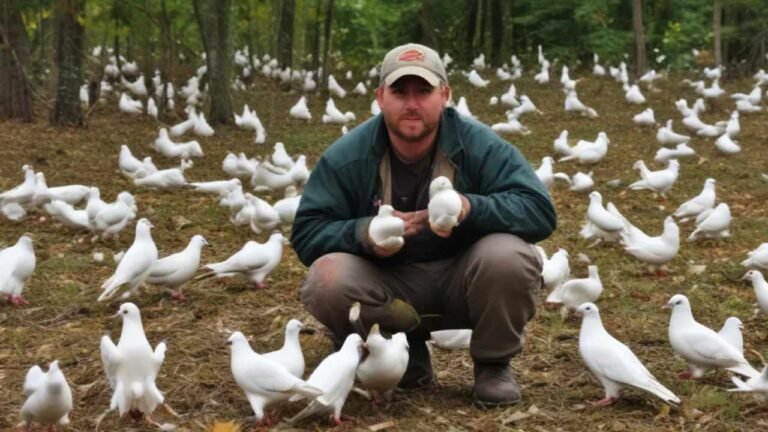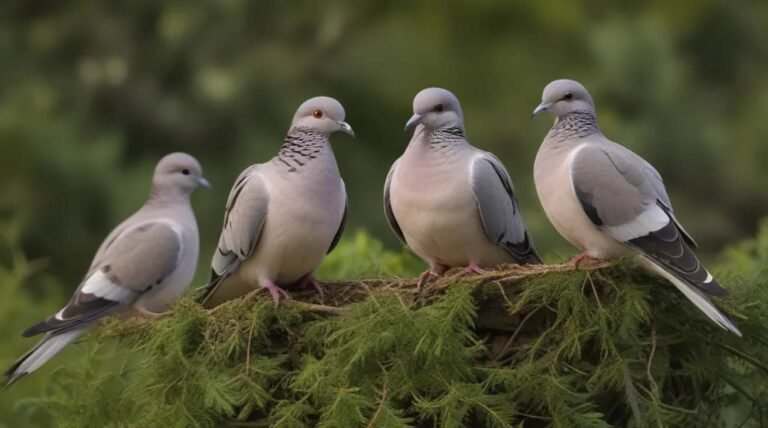
When Do Doves Take Flight in Ohio? 2026-2027 Dates and Season Regulations
Ohio’s dove opener is one of the most anticipated early fall hunts in the Midwest, and the 2026-2027 season gives hunters the same basic formula they count on each year: an early September opener, a split season, a generous bag limit, and plenty of public-field opportunity across the state. For most hunters, the key things to know are simple: Ohio’s dove season opens on September 1, 2026, runs in two segments, applies statewide, and carries a 15-bird daily bag limit for legal doves covered in the current digest.
This guide is built for hunters who want the facts fast, then the details that actually matter in the field. You’ll find the official season dates, legal hunting hours, license requirements, bag limits, public-land ideas, and practical Ohio-specific tips for better hunts.
This article is based on the current Ohio Hunting & Trapping Regulations and the federal framework background published by the U.S. Fish & Wildlife Service.
Quick Answer
Ohio Dove Season 2026-2027 runs statewide from September 1, 2026, to November 8, 2026, and again from December 12, 2026, to January 1, 2027.
The current Ohio regulations list mourning dove and Eurasian collared-dove in the dove season, with a 15-bird daily bag limit and a 45-bird possession limit after the second day. Hunting hours are sunrise to sunset, unless posted otherwise. Hunters need a valid Ohio hunting license and HIP certification unless a specific exemption applies.
🕊️ Ohio Dove Season 2026-2027 Overview
Ohio’s current dove season is a split statewide season. The official digest lists legal dove hunting for mourning dove and Eurasian collared-dove. Ohio does not publish separate dove zones the way some states do for waterfowl.
| Species | Season | Zone | Opening Date | Closing Date | Daily Bag Limit | Possession Limit | Status |
|---|---|---|---|---|---|---|---|
| Mourning Dove | Segment 1 | Statewide | Sept. 1, 2026 | Nov. 8, 2026 | 15 | 45 | Official |
| Mourning Dove | Segment 2 | Statewide | Dec. 12, 2026 | Jan. 1, 2027 | 15 | 45 | Official |
| Eurasian Collared-Dove | Same as Ohio dove season listing | Statewide | Sept. 1, 2026 | Nov. 8, 2026 | 15* | 45* | Official |
| Eurasian Collared-Dove | Segment 2 | Statewide | Dec. 12, 2026 | Jan. 1, 2027 | 15* | 45* | Official |
| White-winged Dove | No separate season listed in current Ohio digest | — | Pending separate listing? | — | Not separately published | Not separately published | Not separately listed |
*Ohio’s current digest lists “Dove (Mourning and Eurasian collared)” together with the season and limit information.
📅 Official Dove Season Dates
Ohio’s 2026-2027 dove season is straightforward:
- Segment 1: September 1, 2026 – November 8, 2026
- Segment 2: December 12, 2026 – January 1, 2027
What species are covered?
The current Ohio regulations specifically identify:
- Mourning dove
- Eurasian collared-dove
The official materials reviewed do not publish a separate white-winged dove season for Ohio. That matters because hunters should never assume a species has its own season unless the state digest clearly says so.
Is it a split season?
Yes. Ohio uses a two-part split season for doves. That setup gives hunters an early opener during peak local opportunity and a later segment that can still produce action where birds remain available.
Are there zones?
No dove-specific zones are listed in the current Ohio regulations. That means Ohio hunters can think in terms of a single statewide dove season, not north/south/coastal splits.
🗺️ Dove Hunting Zones in Ohio
Ohio’s current dove regulations are statewide, not zoned.
That means the following commonly searched zone types do not apply to Ohio dove season as separate regulatory units:
| Zone Type | Applies to Ohio Dove Season? | Notes |
|---|---|---|
| North Zone | No | No separate Ohio dove zone published |
| South Zone | No | No separate Ohio dove zone published |
| Central Zone | No | No separate Ohio dove zone published |
| Coastal Zone | No | No separate Ohio dove zone published |
| Special Management Units | No separate dove unit published | Check area-specific postings on public land |
This is good news for hunters. It simplifies planning. You do not need to sort through zone maps for dove season dates the way you might for certain waterfowl seasons.
🎯 Daily Bag Limits
Ohio’s dove limits are easy to remember.
| Species | Daily Limit | Possession Limit | Special Rules |
|---|---|---|---|
| Mourning Dove | 15 | 45 | Count birds carefully during fast shooting |
| Eurasian Collared-Dove | Included in Ohio dove listing | Included in Ohio dove listing | Follow the current Ohio digest as published |
| White-winged Dove | Not separately published | Not separately published | Do not assume a separate Ohio season |
Ohio’s possession limit for migratory birds after the second day is three times the daily bag limit, which puts doves at 45 birds.
⏰ Legal Hunting Hours
For Ohio dove hunters, the rule that matters most is the one in the state digest:
- Hunting hours: sunrise to sunset, unless posted otherwise
That is the practical field rule you should follow in Ohio.
Federal migratory bird frameworks historically allow shooting hours built around the familiar half-hour-before-sunrise-to-sunset model, but hunters should always hunt by the state’s final published rule. In Ohio right now, that means sunrise to sunset for doves unless a property posting says otherwise.
Opening day reminder
Ohio’s opening day can be busy, social, and fast. Make sure everyone in your group agrees on:
- safe shooting lanes
- where dogs will work
- who has birds down
- when to stop and reload
🪪 Licenses Needed
To hunt doves in Ohio, most hunters need:
- A valid Ohio hunting license
- HIP certification for migratory game birds
Ohio hunting license price summary
| Hunter Type | Current Price |
|---|---|
| Resident adult (18-64) | $19.00 |
| Nonresident adult | $180.96 |
| Youth (17 and under) | $10.00 |
| Resident senior (65+, born on or after Jan. 1, 1938) | $10.00 |
| Resident born on or before Dec. 31, 1937 | Free |
HIP registration
Ohio requires migratory bird hunters to obtain a Harvest Information Program (HIP) certification number. That includes dove hunters.
Do you need a federal duck stamp?
No. A Federal Duck Stamp and Ohio wetlands stamp are for waterfowl hunting, not dove hunting.
Important exemptions
Ohio’s current regulations include notable exemptions for:
- Resident landowners hunting their own Ohio land
- Certain immediate family members hunting that same land
- Active-duty U.S. Armed Forces members on leave or furlough
- Some senior hunters eligible for free or reduced-cost licensing
If you fall into an exemption category, still verify the exact current wording before opening day.
🔫 Legal Hunting Methods
Ohio keeps dove gear rules fairly practical.
Shotguns
- 10 gauge or smaller is legal
- Your shotgun cannot hold more than three shells
- If needed, it must be plugged with a filler that cannot be removed without disassembling the gun
Shot type
- Lead shot is legal for doves in Ohio
- Nontoxic shot is required for some other migratory birds, but the current Ohio digest specifically allows lead for dove
Bows
Ohio also allows:
- Longbows
- Compound bows
- Recurve bows
Decoys
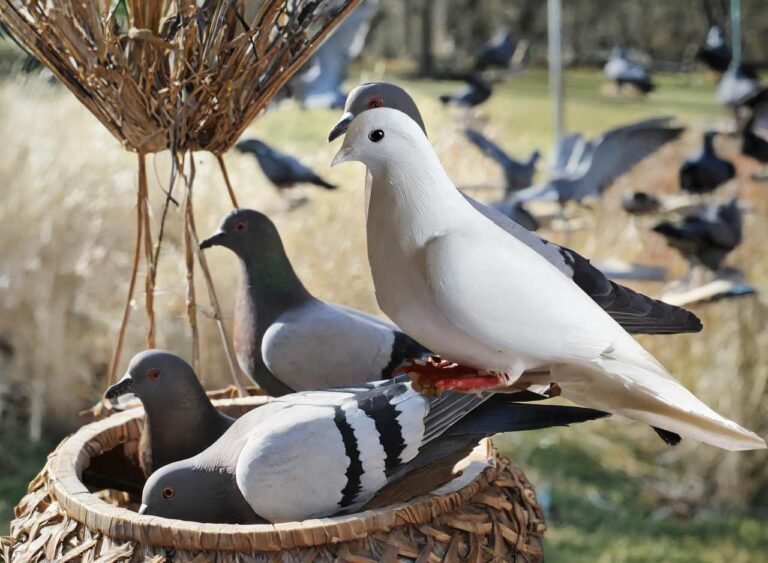
ODNR’s dove-hunting guidance discusses decoys as a standard and useful tactic, especially for drawing birds over likely flight lines.
Retrievers
A good retriever is a major asset in cut fields and grassy edges, especially when multiple birds drop quickly.
Electronic calls
The official materials reviewed did not provide a clear dove-specific electronic-calling rule. If you plan to use anything beyond standard decoy setups, verify the current digest first.
Baiting laws
This is the big one.
Ohio’s current regulations make clear that doves may not be hunted where grain or other feed has been distributed after being removed from or stored off the field where it was grown. In plain English: if a field has been baited illegally, don’t hunt it.
Motor vehicle restrictions
For access and vehicle use, follow:
- the current statewide regulations
- wildlife area rules
- property-specific postings
Public-land access rules can vary by property.
🌾 Best Places to Hunt Doves in Ohio
Ohio gives dove hunters a real advantage: the state maintains an official dove hunting areas map showing managed fields, parking, and wildlife-area access.
Here are some of the better public starting points:
1. ODNR Managed Dove Fields
The official map highlights dove fields on Ohio Department of Natural Resources properties. For many hunters, this is the best first stop because it shows:
- managed fields
- parking lots
- property boundaries
- printable map options
2. Delaware Wildlife Area
A large central Ohio public area north of Delaware, this is a good option for hunters who want a well-known wildlife-area setup within easy reach of major population centers.
3. Big Island Wildlife Area
Located west of Marion, Big Island is one of those public properties worth watching if you want a larger landscape with multiple habitat types and solid public access.
4. Killdeer Plains Wildlife Area
Ohio’s controlled access system includes dove-hunt opportunities here. If you like more structured field setups, permit-based or managed hunt access can be worth the effort.
5. Other ODNR Wildlife Areas on the official dove map
The smart move is not guessing. Use the official map and scout fields before the opener.
If you also hunt neighboring states, compare season timing with this Indiana dove season guide.
🧠 Top Dove Hunting Tips
Here are 15 Ohio-specific dove tips that actually help:
- Scout cut grain fields in late August.
- Watch power lines and dead trees for evening loafing birds.
- Set up on field edges, not always in the middle.
- Use the sun to your advantage so incoming birds aren’t spotting you first.
- Don’t crowd the best corner on public fields.
- Arrive early on Sept. 1 because prime spots disappear fast.
- Use spinning-wing or static decoy spreads only where legal and practical.
- Practice crossing shots before opener; doves expose rusty shooting quickly.
- Mark every downed bird immediately.
- Bring extra shells, but pick shots carefully.
- Wear light, breathable clothing for hot early-season weather.
- Hunt water, wires, and travel lanes, not just bare dirt.
- Stay after the first rush. Midday can surprise you.
- Get written permission before hunting private ground in Ohio.
- Check the ODNR dove map every year, because public field options can shift.
🆕 Recent Regulation Changes for 2026-2027
Based on the 2026-2027 Ohio materials reviewed, there does not appear to be a major dove-rule overhaul.
The core structure remains substantially the same:
- statewide split season
- 15-bird daily limit
- 45-bird possession limit
- sunrise-to-sunset hours
- HIP requirement
- three-shell shotgun limit
In other words, hunters should focus less on a sweeping rules change and more on:
- the exact 2026-2027 dates
- field access
- current area postings
- staying legal on baiting issues
🦺 Hunter Safety Tips
Dove hunting is social and fast-paced, which is exactly why safety matters.
- Keep the muzzle up and under control at all times
- Never swing through another hunter
- Wear eye protection
- Wear hearing protection
- Hydrate during hot early-season hunts
- Check dogs often for heat stress
- Positively identify every bird before shooting
- Respect safe spacing in crowded public fields
- Recover birds promptly and ethically
- Stop shooting when birds fly too low over other hunters
🐦 Common Dove Species Found in Ohio
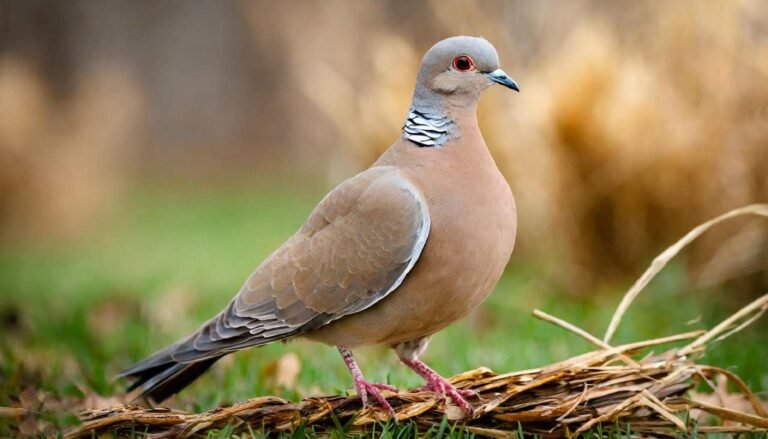
Mourning Dove
Identification: Slim body, pointed tail, fast wingbeat.
Habitat: Grain fields, field edges, fencerows, utility lines.
Migration: Ohio hunters see strong opportunity around the early fall opener.
Best strategy: Hunt travel lanes between feeding and loafing areas.
Eurasian Collared-Dove
Identification: Larger, paler bird with the black collar on the back of the neck.
Habitat: Often around farmsteads, rural edges, small towns, and grain areas.
Migration: Less tied to classic migration patterns than mourning doves.
Best strategy: Watch buildings, silos, and nearby feed areas.
White-winged Dove
Ohio’s current regulations reviewed for 2026-2027 do not list a separate white-winged dove season. The key takeaway for hunters is simple: do not assume a separate white-winged dove opportunity unless the current Ohio digest clearly lists it.
❓ Frequently Asked Questions
Is Ohio dove season statewide in 2026-2027?
Yes. The current Ohio digest publishes dove season as a statewide season, not by separate dove zones.
When does Ohio dove season open in 2026?
It opens on September 1, 2026.
Is Ohio dove season split?
Yes. Ohio runs a two-part season: Sept. 1-Nov. 8, 2026 and Dec. 12, 2026-Jan. 1, 2027.
What is the daily bag limit for doves in Ohio?
The daily bag limit is 15 birds.
What is the possession limit for Ohio dove hunting?
The possession limit is 45 birds after the second day.
Can you use lead shot for doves in Ohio?
Yes. Ohio’s current regulations specifically allow lead shot for doves.
Do you need HIP for dove hunting in Ohio?
Yes. Dove hunters need HIP certification unless a valid exemption applies.
Do you need a federal duck stamp to hunt doves in Ohio?
No. A federal duck stamp is for waterfowl hunting, not dove hunting.
What time can you hunt doves in Ohio?
The current Ohio rule is sunrise to sunset, unless posted otherwise.
Where can you find public dove fields in Ohio?
Use the official ODNR dove hunting areas map, which shows managed fields, parking lots, and public wildlife-area access.
✅ Final Thoughts
Ohio keeps dove hunting refreshingly simple: a statewide split season, a September 1 opener, a 15-bird daily limit, and solid public-field access through ODNR-managed properties. For most hunters, success will come down to three things: scouting, safe shooting, and staying current on the digest.
Before you head out, double-check the latest season booklet, confirm your license and HIP certification, and verify any local field postings or access rules. That last-minute check is the difference between a smooth opener and an avoidable mistake.