New Hampshire Mourning Dove Hunting: Why There’s No Open Season & What to Do Instead
If you’re planning dove hunting in New Hampshire for the 2026–2027 season, here’s the most important thing to know upfront: New Hampshire does not have an open mourning dove hunting season. The state currently does not list mourning doves as a legal game species, meaning there are no established season dates, bag limits, or dove-specific licenses issued by the New Hampshire Fish and Game Department. However, if you’re a Granite State hunter eager to chase doves, there are legitimate pathways — including hunting in neighboring states, understanding the full federal migratory bird framework, and keeping track of any future regulatory changes that could open a season.
That reality doesn’t make this article any less useful. In fact, understanding why NH has no open season, what the regulations look like across the region, what licenses and requirements would apply if a season ever opens, and where nearby hunters can head for productive dove fields — that’s exactly the kind of complete picture most guides skip. So whether you’re a die-hard upland bird hunter or just getting started, this guide covers everything you need for the 2026–2027 cycle.
Does New Hampshire Have a Dove Hunting Season?
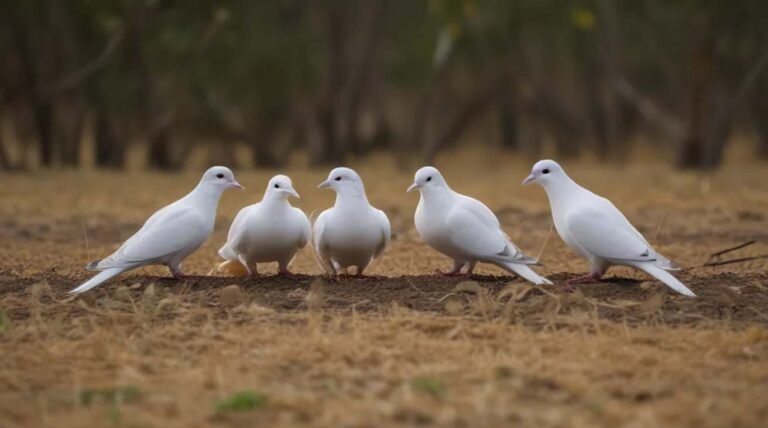
The short answer is no. As confirmed by NH Audubon’s State of the Birds database, “although not hunted in New Hampshire, the Mourning Dove is the most popular game bird in the United States.” New Hampshire is part of a small group of northeastern states that have not legalized mourning dove hunting. Doves are federally protected under the Migratory Bird Treaty Act, so individual states must affirmatively adopt and open a season under federal framework guidelines — and New Hampshire simply has not done so.
Key facts about NH’s non-open dove status:
- Mourning doves are classified as a migratory songbird in New Hampshire, not a game species
- No season dates, bag limits, or dove hunting licenses are issued by NHFGD
- Shooting a mourning dove in New Hampshire is a federal and state violation
- The NH Fish and Game Department has not proposed a dove season as of the 2026–2027 regulatory cycle
Why New Hampshire Doesn’t Have a Dove Season
| Factor | Details |
|---|---|
| Federal Protection | Migratory Bird Treaty Act governs all dove management |
| State Classification | NH classifies mourning doves as non-game migratory birds |
| Legislative History | No successful legislation has opened a season in NH |
| Cultural Opposition | Some NH residents and conservation groups oppose dove hunting |
| Population Data | USFWS must approve state seasons based on population surveys |
| Northeast Trend | Several New England states similarly lack open dove seasons |
States Bordering New Hampshire Where You CAN Hunt Doves
If you’re a New Hampshire resident determined to hunt mourning doves in 2026–2027, crossing state lines is your best practical option. Here’s a quick breakdown of nearby options:
| State | Season Status | Typical Opening Date |
|---|---|---|
| Vermont | Open Season | Early September |
| Maine | Open Season | September 1 |
| Massachusetts | Open Season | September opening |
| Connecticut | Open Season | September opening |
| New York | Open Season | September opening |
For hunters planning a trip to Maine, check out the full Maine dove season regulations for current dates, bag limits, and license requirements. Similarly, if you’re considering heading south, the Vermont dove season guide covers everything you need to plan a productive hunt in the Green Mountain State.
What Licenses Would Be Required If NH Opens a Season
Even though there is no current open season, it’s useful for hunters to understand the licensing framework that would apply if New Hampshire ever establishes a mourning dove season. This is based on the existing NH migratory bird hunting structure:
Licenses and Permits You’d Need
| Requirement | Who Needs It | Estimated Cost |
|---|---|---|
| NH Resident Hunting License | All residents age 16+ | ~$23 |
| NH Non-Resident Hunting License | Non-residents or Small Game License | ~$110–$155 |
| HIP Registration | All hunters of migratory species | Free |
| State Migratory Waterfowl License | Required for waterfowl, not necessarily doves | ~$9 |
| Federal Duck Stamp | Required for waterfowl, generally NOT for doves | ~$25 |
Important note: Dove hunting does not require a Federal Duck Stamp. However, HIP (Harvest Information Program) certification is mandatory for all migratory game bird hunters, including dove hunters, in every state where a season exists. Registration is free at huntnh.com or by calling 1-800-207-6183.
Federal Regulations That Apply to Dove Hunting Everywhere
Regardless of which state you hunt doves in, federal migratory bird regulations govern the sport nationwide. The U.S. Fish and Wildlife Service enforces these rules under Title 50, Code of Federal Regulations, Part 20. Every dove hunter needs to understand these rules cold.
Federal Rules Every Dove Hunter Must Follow
- Shotgun Plug Rule: Your shotgun must be plugged to hold no more than 3 shells total (one in the chamber, two in the magazine). The plug must require gun disassembly to remove.
- No Baiting: You cannot hunt over any area where grain, salt, or other feed has been placed to attract birds — even if you didn’t put it there and even if you should have known the area was baited.
- 10-Day Waiting Rule: A baited area remains off-limits for 10 full days after all bait is completely removed.
- No Motorized Vehicles: Hunting from or with motorized vehicles is prohibited.
- Wanton Waste: You must make a reasonable effort to retrieve all birds you kill or cripple. Leaving downed birds in the field is a federal violation.
- Tagging: Any birds left with another person or at a camp must be tagged with your name, address, species, number of birds, and date of kill.
- Protected Species: Accidentally shooting non-game birds like songbirds is a federal offense. Know your target before you pull the trigger.
- Dual Violation Rule: Any violation of state migratory bird regulations is automatically a federal violation as well.
For comprehensive federal guidance, visit the U.S. Fish & Wildlife Service dove hunting information page — it’s the authoritative source for all federal migratory bird rules.
New Hampshire’s 2026–2027 Migratory Bird Hunting Overview
While doves aren’t on the menu in NH, the state does have an active and regulated migratory bird hunting season for other species. Here’s a snapshot of what’s open in 2026–2027:
| Species | Season Dates | Daily Bag Limit | Licenses Required |
|---|---|---|---|
| American Woodcock | Oct 1 – Nov 14, 2026 | 3 | NH Hunting License + HIP |
| Common Snipe | Regulated season | 8 | NH Hunting License + HIP |
| Ducks (Inland Zone) | Oct 13 – Nov 11 / Nov 25 – Dec 24, 2026 | Varies by species | NH Hunting + Migratory License + HIP + Federal Duck Stamp |
| Canada Geese | Special early + regular season | Varies | NH Hunting + Migratory License + HIP + Federal Duck Stamp |
| Northern Zone Waterfowl | Opens Oct 2, 2026 | Varies | Full migratory package |
| Coastal Zone Waterfowl | Oct 6 – Oct 12, 2026 | Varies | Full migratory package |
| Crow | Regulated season | No limit | NH Hunting License (no HIP, Duck Stamp, or Migratory License needed) |
Key NH Hunting Hours for Migratory Birds:
- Waterfowl, woodcock, and snipe: One-half hour before sunrise to sunset
- Crow: One-half hour before sunrise to one-half hour after sunset
Mourning Dove Population in New Hampshire
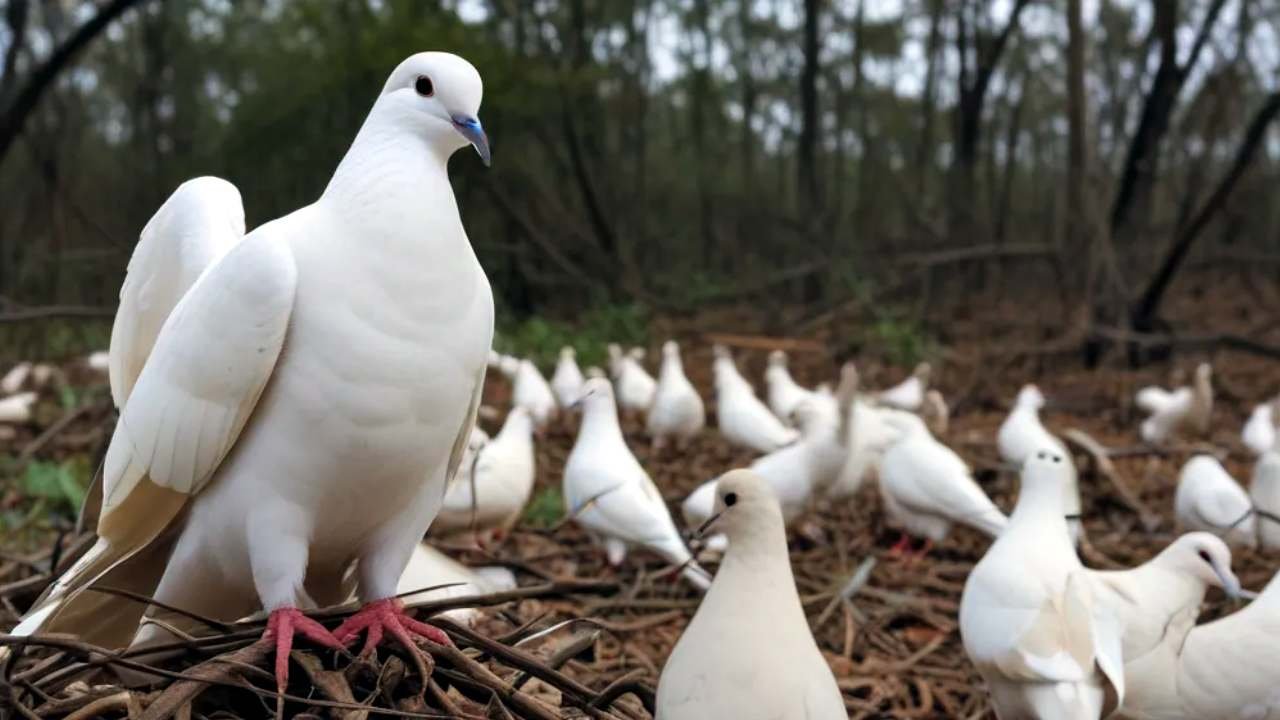
Understanding dove populations helps explain both why the birds are present in NH and why the state hasn’t opened a hunting season. According to NH Audubon’s bird population database, mourning doves are a common species across the Granite State — they breed here, winter here in smaller numbers, and migrate through in significant flocks during fall.
NH Mourning Dove Population Snapshot
| Factor | Status |
|---|---|
| Breeding Population | Common statewide |
| Migration Pattern | Fall southward migration through NH |
| Winter Presence | Moderate; most birds migrate south |
| Population Trend | Stable to slightly declining in some regions |
| Primary Habitat | Agricultural edges, open fields, roadsides, suburban areas |
| Peak Abundance Period | August through October |
The fact that NH has good dove numbers makes the absence of a hunting season a purely political and regulatory matter, not a biological one. USFWS data consistently shows mourning dove populations are robust enough to support regulated harvest throughout the Atlantic Flyway.
Tips for Hunting Doves in Neighboring States (For NH Residents)
If you’re driving to Maine, Vermont, Massachusetts, or Connecticut for dove hunting this season, here are the practical tips that will put birds in your game bag:
Top Scouting and Field Selection Tips
- Scout fields 2–3 days before opening day — look for areas where doves are actively feeding on sunflowers, corn stubble, or millet
- Find water sources near feeding fields — doves drink twice daily, making watering holes and creek edges productive stand sites
- Position yourself with the sun at your back — doves will approach into the sun, giving you a clearer shot while they’re backlit
- Use decoys on snags and fence posts — spinning-wing decoys and motion decoys are generally legal for dove (confirm by state)
- Sit in shade at field edges — the biggest mistake dove hunters make is standing in the open; stillness and concealment are critical
- Arrive 30–45 minutes before shooting hours — doves move at first light, and position matters enormously
Shot and Ammunition Selection
| Category | Recommendation |
|---|---|
| Shot Size | #7.5 or #8 lead shot is standard for doves |
| Gun Choke | Improved Cylinder or Modified for most field ranges |
| Shooting Distance | Most productive shots are under 35 yards |
| Lead | Doves are fast and erratic — lead them significantly |
| Shells | Bring more than you think you’ll need; dove hunting averages 6–8 shells per bird |
Dove Hunting Regulations Checklist Before You Go
Whether you’re heading to a neighboring state or monitoring for any future NH season opening, use this pre-hunt compliance checklist every time:
- [ ] Valid state hunting license for the state you’re hunting
- [ ] HIP certification number (free, mandatory for all migratory bird hunters)
- [ ] Know the season dates and shooting hours for that state
- [ ] Shotgun is plugged to 3-shell maximum
- [ ] No steel shot required for doves (lead is legal, unlike waterfowl)
- [ ] Confirmed the field you’re hunting is not a baited area
- [ ] Know the daily bag limit (typically 15 mourning doves in most open states)
- [ ] Know the possession limit (typically 45, or 3x the daily bag)
- [ ] Tagged birds if leaving them with another person
- [ ] Emergency contact and hunting location filed with someone at home
Comparison: NH vs. Neighboring States on Dove Hunting
| State | Open Season? | Daily Bag Limit | Season Opening | License Cost (Resident) |
|---|---|---|---|---|
| New Hampshire | ❌ No | N/A | N/A | N/A |
| Maine | ✅ Yes | 15 | September 1 | ~$26 |
| Vermont | ✅ Yes | 15 | Early September | ~$28 |
| Massachusetts | ✅ Yes | 15 | Early September | ~$27.50 |
| Connecticut | ✅ Yes | 15 | Early September | ~$19 |
| New York | ✅ Yes | 15 | Early September | ~$22 |
Frequently Asked Questions About New Hampshire Dove Hunting
Q: Is there a dove hunting season in New Hampshire in 2026?
No. New Hampshire does not have a mourning dove hunting season. The state has not legalized dove hunting, and shooting a mourning dove in NH constitutes both a state and federal violation under the Migratory Bird Treaty Act.
Q: Are mourning doves protected in New Hampshire?
Yes. In New Hampshire, mourning doves are treated as non-game migratory birds and are fully protected under federal migratory bird regulations. They cannot legally be hunted in the state.
Q: Can I hunt Eurasian collared doves in New Hampshire?
Eurasian collared doves are an invasive, non-native species and are not covered under the Migratory Bird Treaty Act in the same way as mourning doves. However, since there is no open season framework in NH for any dove species, you should confirm legal status directly with the NH Fish and Game Department before pursuing them.
Q: What license do I need to dove hunt in Maine or Vermont as an NH resident?
You’ll need a non-resident hunting license for whichever state you’re hunting in, plus a free HIP registration for that state. No Federal Duck Stamp is required for dove hunting.
Q: Do I need a Federal Duck Stamp to hunt doves?
No. The Federal Duck Stamp is required for waterfowl (ducks and geese) hunters only. Dove hunters do not need the Federal Duck Stamp, but HIP enrollment is mandatory.
Q: Will New Hampshire ever open a dove hunting season?
It’s possible. Several other northeastern states have opened dove seasons over the past two decades. If New Hampshire’s legislature takes up the issue, it would need to pass state legislation and then establish regulations in coordination with USFWS. As of 2026–2027, no active legislation appears to be moving in that direction.
Q: What’s the daily bag limit for mourning doves in states with open seasons?
Most open states allow a daily bag limit of 15 mourning doves, with a possession limit of 45 (three times the daily bag). Always verify the specific state’s regulations before hunting.
Q: Can I shoot doves from a vehicle in any state?
No. Federal regulations prohibit hunting migratory game birds from any motorized vehicle. There is a limited exception for hunters with physical disabilities hunting from a stationary vehicle, but it requires specific conditions.
Quick Reference: Key NH Fish and Game Contacts
| Resource | Details |
|---|---|
| NH Fish and Game Department | (603) 271-3421 |
| Online Licensing | huntnh.com |
| HIP Registration | 1-800-207-6183 or huntnh.com |
| NH FGDD Address | 11 Hazen Drive, Concord, NH 03301 |
| USFWS Migratory Bird Info | fws.gov |
| Banded Bird Reporting | reportband.gov |
Final Takeaway for NH Dove Hunters in 2026–2027
The bottom line is straightforward: you cannot legally hunt mourning doves in New Hampshire. If dove hunting is a priority for your 2026–2027 season, your best move is to grab a non-resident license in Maine, Vermont, Massachusetts, Connecticut, or New York — all of which have open seasons, good populations, and accessible public land. Make sure your HIP registration is current for whatever state you’re hunting in, keep your shotgun plugged, and stay well clear of any fields that might have been baited.
Monitor the NH Fish and Game Department’s annual regulatory updates each August in case the state’s position ever changes. Until then, plenty of excellent migratory bird hunting — woodcock, waterfowl, and snipe — remains available in New Hampshire to keep serious bird hunters busy throughout the fall season.