Is Dove Hunting Legal in Massachusetts? 2026–2027 Season Facts Every Hunter Must Know
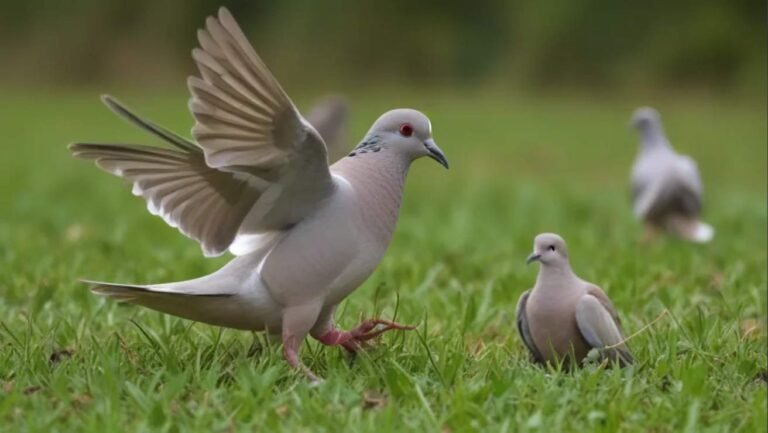
Massachusetts does not have an open dove hunting season. Mourning doves are legally protected under state law in Massachusetts, making it one of only a handful of U.S. states where you cannot hunt them. This has been the case since 1903, and as of the 2026–2027 season, that protection remains firmly in place. If you’re a Bay State hunter planning a dove outing — or a visiting sportsman confused by conflicting information online — this guide breaks down everything: the legal status, the historical reasons behind the ban, what migratory birds can be pursued in Massachusetts, licensing requirements, and where nearby hunters are crossing state lines to chase doves legally.
Whether you’re a seasoned hunter researching your upland game options or a newcomer trying to figure out where dove hunting fits into your Massachusetts hunting license investment, this is the most up-to-date, complete resource available for the 2026–2027 season. Read on for exact regulations, neighboring state comparisons, gear considerations, and answers to the most common questions Massachusetts hunters ask every fall.
Quick-Reference: Massachusetts Dove Hunting Status 2026–2027
| Factor | Details |
|---|---|
| Mourning Dove Season | ❌ No open season — doves are protected |
| State Protection Since | 1903 |
| Governing Authority | MassWildlife (Division of Fisheries & Wildlife) |
| Federal Framework | Migratory Bird Treaty Act (MBTA) |
| Nearest Open Dove State | Rhode Island (only New England state with dove season) |
| Alternative Migratory Game Birds | Woodcock, Snipe, Rails, Ducks, Geese |
| HIP Registration Required | Yes (for woodcock, snipe, rails, waterfowl) |
| Hunting Prohibited On | Sundays (statewide) |
| License Portal | MassFishHunt (mass.gov) |
Why Dove Hunting Is Illegal in Massachusetts
This is the question every hunter new to the state asks, and the answer has more layers than most people expect.
Massachusetts first protected mourning doves all the way back in 1903, classifying them as songbirds rather than game birds. At the time, this was a widespread political trend across northeastern states driven by a combination of conservation sentiment and, notably, an era of significant anti-hunting social pressure. The Migratory Bird Treaty Act of 1918 further complicated the picture by placing all migratory birds — including mourning doves — under federal protection, requiring explicit federal and state authorization to open a hunting season.
Key reasons doves remain protected in Massachusetts:
- The state legislature has never overturned the 1903 songbird classification
- Advocacy organizations like Mass Audubon have historically opposed a dove season
- Population density and suburban sprawl reduce viable hunting habitat compared to southern states
- Legislative inertia: bills proposing a dove season have repeatedly stalled on Beacon Hill
- Massachusetts has one of the most politically challenging environments in the country for expanding hunting access
It’s worth noting that mourning doves are the most harvested migratory game bird in North America, hunted legally in 41 states. The scientific consensus from the U.S. Fish & Wildlife Service is that dove populations are healthy and sustainable harvest would not threaten Massachusetts populations. The ban is political and cultural, not biological.
States That Border Massachusetts: Dove Hunting Availability
Massachusetts hunters willing to travel have real options nearby. Here’s how the region stacks up for the 2026–2027 season:
| Neighboring State | Dove Season Open? | Notes |
|---|---|---|
| Rhode Island | ✅ Yes | Only New England state with an open season |
| Connecticut | ❌ No | Doves protected, no open season |
| Vermont | ❌ No | Doves protected, no open season |
| New Hampshire | ❌ No | Doves protected, no open season |
| New York | ❌ No | Doves protected, no open season |
Rhode Island is currently the only state in all of New England that permits mourning dove hunting. If you’re a Massachusetts resident serious about dove hunting, a short trip south is your most practical option. You’ll need a Rhode Island small game license and HIP registration before you go.
For hunters willing to travel farther, the Mid-Atlantic and Southeast offer excellent dove hunting. Compare your options using dedicated state guides — for example, check the Connecticut dove hunting season guide for details on what’s happening just across the southern border, or explore the New Hampshire dove season regulations if you hunt in the north.
What You Can Hunt in Massachusetts: Migratory Game Birds 2026–2027
While doves are off the table, Massachusetts does offer a solid slate of migratory bird hunting. Here’s the complete breakdown for the 2026–2027 season:
Woodcock Season
| Zone | Season Dates | Daily Bag Limit | Possession Limit |
|---|---|---|---|
| Statewide | Oct. 2 – Nov. 22, 2025 (check MassWildlife for 2026 update) | 3 | 9 |
Woodcock is considered one of the premier upland game bird experiences in New England. Flushing a timberdoodle from alder thickets with a pointing dog is something no dove hunter should overlook.
Common Snipe Season
| Zone | Season Dates | Daily Bag Limit | Possession Limit |
|---|---|---|---|
| Statewide | Sept. 1 – Dec. 15 | 8 | 24 |
Sora & Virginia Rail
| Zone | Season Dates | Daily Bag Limit | Possession Limit |
|---|---|---|---|
| Statewide | Sept. 1 – Nov. 6 | Sora: 25 | 75 |
Duck Season (2026–2027)
| Zone | Season Dates | Daily Bag Limit |
|---|---|---|
| Berkshire | Oct. 13 – Nov. 28 / Dec. 13 – Jan. 3 | 6 (species-specific sub-limits apply) |
| Central | Oct. 11 – Nov. 28 / Dec. 15 – Jan. 3 | 6 |
| Coastal | Oct. 11–18 / Nov. 28 – Jan. 28 | 6 |
Canada Goose Season (2026–2027)
| Season Type | Zone | Dates |
|---|---|---|
| Early (Statewide) | All | Sept. 1–19 |
| Regular | Berkshire | Oct. 13 – Nov. 28 |
| Regular | Central | Oct. 11 – Nov. 28 / Dec. 15 – Jan. 3 |
| Regular | Coastal | Oct. 11–18 / Nov. 28 – Jan. 28 |
| Late | Berkshire | Dec. 15 – Feb. 14 |
| Late | Central | Jan. 17 – Feb. 14 |
Always verify current dates directly with MassWildlife before heading afield — dates are confirmed annually.
Massachusetts Hunting License Requirements 2026–2027
To hunt any migratory game bird in Massachusetts, you must carry the proper credentials. Here’s exactly what you need:
License Requirements by Hunter Type
| Hunter Category | Required Licenses & Stamps |
|---|---|
| Resident — Waterfowl | Hunting/Sporting License + MA Waterfowl Stamp + Federal Duck Stamp (ages 16+) |
| Non-Resident — Waterfowl | Big Game or Small Game License + MA Waterfowl Stamp + Federal Duck Stamp (ages 16+) |
| Resident — Woodcock/Snipe/Rails | Hunting or Sporting License only |
| Non-Resident — Woodcock/Snipe/Rails | Big Game or Small Game License |
| All Migratory Bird Hunters | HIP Survey registration (annual, free) |
License Fees & Key Details
| License Type | Resident Fee | Non-Resident Fee |
|---|---|---|
| Annual Hunting License | ~$40 | Higher — check MassFishHunt |
| MA Waterfowl Stamp | ~$5 | ~$5 |
| Federal Duck Stamp | $25 | $25 |
| HIP Registration | Free | Free |
Important rules to know:
- All first-time hunters must complete a certified hunter education course before purchasing a license
- Exemption applies if you held a Massachusetts license prior to 2007 or completed hunter ed in another state
- Sunday hunting is prohibited statewide — this applies to all migratory bird hunting
- Licenses are valid January 1 through December 31
- Federal Duck Stamps run July 1 through June 30
- Purchase through MassFishHunt at mass.gov
Legal Hunting Implements for Migratory Birds in Massachusetts
Shotgun Regulations
| Rule | Requirement |
|---|---|
| Maximum gauge | 10 gauge |
| Magazine capacity | 3 shells maximum (plug required if over 3) |
| Non-toxic shot | Required for waterfowl (ducks, geese, sea ducks, coot) |
| Lead shot | Prohibited — cannot even be in possession while waterfowl hunting |
| Non-toxic requirement | Does NOT apply to woodcock, snipe, or rail hunting |
Archery Equipment
- Expanding broadheads are legal
- Crossbows permitted only for certain permanently disabled hunters, by permit
- Prohibited: poisoned arrows, explosive tips, mechanically-drawn bows
Prohibited Hunting Methods
- No electronic calls (pre-recorded or electronic imitations)
- No baiting — area remains baited for 10 days after bait removal
- No rifles, pistols, air guns, traps, snares, nets, or explosives
- No live decoys (must be removed and isolated 10 consecutive days prior to hunting)
- No hunting from a moving motorized vehicle or boat
HIP Registration: What It Is and Why It Matters
The Harvest Information Program (HIP) is a federal requirement for anyone hunting migratory birds in the United States. In Massachusetts, you must complete the HIP survey annually if you hunt woodcock, snipe, rails, ducks, or geese.
Good news for waterfowl hunters: When you purchase a Massachusetts Waterfowl Stamp, HIP registration happens automatically.
For woodcock, snipe, and rail hunters: You must complete the HIP survey separately through the state system.
The HIP survey is free and takes under five minutes. It collects harvest data used by the U.S. Fish & Wildlife Service to manage migratory bird populations across the entire flyway system. Skipping it is a violation — don’t overlook this step.
Special Hunt Programs in Massachusetts
Youth Waterfowl Hunt
- Open to hunters ages 12–17 only
- Youth hunter must be accompanied by a licensed adult with a valid MA Waterfowl Stamp
- Adult may not hunt; firearm must remain unloaded and cased when carried by adult
- All regular season bag limits apply
- 2026 Dates: September 20 and October 4
Active Military & Veterans Waterfowl Hunt
- Open to active-duty military members, National Guard, Reserve members on active duty, and honorably discharged veterans
- Proof of eligibility required and must be carried on person
- All regular season bag limits apply
- 2026 Dates: September 20 and October 4
Field Rules: Tagging, Transport & Retrieval
These are the rules that catch hunters off guard — know them before you leave the field:
| Requirement | Rule |
|---|---|
| Wanton waste | A reasonable effort must be made to retrieve all killed or crippled birds |
| Wing and head retention | Head + one fully-feathered wing must remain attached during transport |
| Unattended birds | Must be tagged with hunter’s signature, address, species, quantity, and kill date |
| Banded birds | Hunters are encouraged (not required) to report to reportband.gov |
| Shipping migratory birds | Package must show sender/recipient name, address, and species count on outside |
| Blaze orange | Not required for waterfowl hunting; required on WMAs during pheasant/quail season |
2026 Massachusetts Hunting Law Updates: What’s Changed
Governor Maura Healey filed legislation in April 2026 to expand hunting access in Massachusetts. The most significant proposal: removing the statutory ban on Sunday hunting, which would enable MassWildlife to regulate hunting on Sundays the same way it manages other hunting seasons. This would be a substantial change for Massachusetts hunters — it would effectively add a full day to every open season.
As of the 2026–2027 season, Sunday hunting remains prohibited. However, this is an active legislative issue worth monitoring heading into 2027. Check MassWildlife’s official site regularly for updates.
Note: No dove season legislation is currently in play for Massachusetts. The protection of mourning doves as a songbird species remains unchanged under state statute.
Where to Hunt Migratory Birds in Massachusetts
Massachusetts maintains a network of publicly accessible hunting areas. Key locations include:
| Area Type | Details |
|---|---|
| Wildlife Management Areas (WMAs) | Over 170 WMAs statewide; free public hunting access |
| MassWildlife Cooperative Program | Private land opened through agreements with MassWildlife |
| National Wildlife Refuges | Some permit hunting — check with individual refuge for rules |
| Cape Cod National Seashore | Waterfowl, deer, and upland game permitted; check NPS regulations |
Use the MassWildlife WMA Finder (mass.gov) to locate properties in your region. Always confirm current access and season restrictions before visiting any specific property.
Dove Hunting in the Broader Northeast: State Comparison
If you’re a Massachusetts hunter who wants dove hunting in your regular rotation, understanding the regional landscape helps you plan. Here’s the broader Northeast picture:
| State | Dove Season | Approximate Season Window |
|---|---|---|
| Rhode Island | ✅ Open | Sept. – Oct. (check RIDEM) |
| Massachusetts | ❌ Closed | N/A — Doves Protected |
| Connecticut | ❌ Closed | N/A |
| New Hampshire | ❌ Closed | N/A |
| Vermont | ❌ Closed | N/A |
| New York | ❌ Closed | N/A |
| New Jersey | ❌ Closed | N/A |
| Maine | ❌ Closed | N/A |
| Pennsylvania | ✅ Open | Sept. – Oct. (3 zones) |
| Maryland | ✅ Open | Sept. – Oct. |
| Virginia | ✅ Open | Sept. – Jan. |
Pennsylvania and Virginia are popular destinations for serious New England dove hunters willing to drive. For a full comparison, the Pennsylvania dove season is a solid resource if you’re planning a road trip south.
Frequently Asked Questions
Q: Can I hunt mourning doves anywhere in Massachusetts?
No. Mourning doves are classified as protected songbirds under Massachusetts state law. There is no zone, private land exception, or permit system that allows dove hunting within the state. Violating this is a criminal offense.
Q: When did Massachusetts last have a dove season?
Massachusetts has not had an open dove season in the modern era. The protection dates to 1903, predating the Migratory Bird Treaty Act of 1918.
Q: Is there any ongoing effort to open a dove season in Massachusetts?
There have been periodic legislative efforts over the decades, but none have succeeded. As of 2026, there is no active bill pursuing a dove season. The Governor’s 2026 hunting legislation focused on Sunday hunting, not doves.
Q: What is the closest place to Massachusetts where I can hunt doves?
Rhode Island is the closest option — it’s the only New England state with a legal dove season. You’ll need a Rhode Island small game license and federal HIP registration.
Q: Do I need a special permit to hunt woodcock in Massachusetts?
No special permit is required beyond your standard hunting license. However, you must complete annual HIP registration, which is free.
Q: Can I use lead shot for woodcock hunting in Massachusetts?
Yes. Non-toxic shot is only required for waterfowl (ducks, geese, sea ducks, coot). Lead shot is permitted for woodcock, snipe, and rails.
Q: Are electronic calls allowed for any bird hunting in Massachusetts?
No. Electronic calls and pre-recorded sounds are prohibited for all migratory game bird hunting in Massachusetts.
Q: If I bag doves in Rhode Island, can I bring them back to Massachusetts?
Yes, you can transport legally harvested doves from Rhode Island into Massachusetts for personal consumption, provided they comply with tagging and transport regulations (one fully-feathered wing attached, properly tagged if not in your immediate custody).
Q: What shotgun shell size is recommended for woodcock — a dove-comparable hunt in MA?
Most experienced woodcock hunters in New England use #7.5 or #8 shot through an improved cylinder or modified choke. The close-quarters flushing nature of timberdoodle hunting makes lighter, open-choke loads ideal.
Q: Where do I purchase my Massachusetts hunting license for 2026–2027?
Through MassFishHunt at mass.gov. The system handles licenses, stamps, and HIP registration in one place.
Summary: Key Takeaways for Massachusetts Dove Hunters 2026–2027
- Dove hunting is illegal in Massachusetts — has been since 1903 and remains so through the entire 2026–2027 season
- The nearest legal dove hunting is Rhode Island, the only open New England state
- Massachusetts does offer excellent migratory bird hunting for woodcock, snipe, rails, ducks, and geese
- Sunday hunting remains prohibited statewide, though legislation is pending
- HIP registration is mandatory for all migratory bird hunters — complete it annually
- Non-toxic shot is required for waterfowl; lead is still permitted for woodcock, snipe, and rails
- Governor Healey’s 2026 hunting expansion legislation is worth monitoring for future season changes
- Always confirm current regulations directly with MassWildlife at mass.gov before each season
Regulations are subject to change. Always verify current season dates, bag limits, and license requirements directly with MassWildlife and the U.S. Fish & Wildlife Service before heading afield.