South Carolina Doves: 2026-2027 Season For Migratory Game Bird Hunting
South Carolina dove season is one of the true kickoff moments of fall. For many hunters, it starts with hot afternoons, cut grain fields, fast crossing shots, and a Labor Day weekend tradition that feels as much like a reunion as a hunt. For 2026-2027, South Carolina again uses a three-segment dove season, with a statewide daily bag limit of 15 doves and a possession limit of 45. Hunters also need to pay close attention to public-field rules, because WMA dove fields come with extra restrictions on entry time, shell limits, and shooting hours.
If you are planning to hunt mourning doves, and possibly encounter white-winged doves or Eurasian collared doves, this guide breaks down what matters most: season dates, legal hours, license requirements, public-land opportunities, and practical field tips that actually help in South Carolina. I built this article from the current South Carolina hunting regulations and the federal U.S. migratory bird hunting regulations.
Quick Answer
South Carolina Dove Season 2026-2027 runs in three statewide segments: September 5 to October 3, 2026; November 13 to November 28, 2026; and December 18, 2026 to January 31, 2027. The daily bag limit is 15 doves, and the possession limit is 45. Legal shooting hours for the statewide season are one hour before sunrise until sunset, but public WMA dove fields are afternoon-only, with no entry before noon and no shooting after 6:00 p.m. during the first segment.
🗓️ South Carolina Dove Season 2026-2027 Overview
Here is the current statewide season picture for South Carolina dove hunters:
| Species | Season | Zone | Opening Date | Closing Date | Daily Bag Limit | Possession Limit | Status |
|---|---|---|---|---|---|---|---|
| Mourning Dove | Split 1 | Statewide | Sept. 5, 2026 | Oct. 3, 2026 | 15 total | 45 | Official |
| Mourning Dove | Split 2 | Statewide | Nov. 13, 2026 | Nov. 28, 2026 | 15 total | 45 | Official |
| Mourning Dove | Split 3 | Statewide | Dec. 18, 2026 | Jan. 31, 2027 | 15 total | 45 | Official |
| White-winged Dove | Same framework as dove season | Statewide | Same as mourning dove | Same as mourning dove | Counts in aggregate dove limit | 45 aggregate | Official framework / uncommon in SC |
| Eurasian Collared Dove | See special rules | Statewide | May be taken during dove hunting opportunities; check field-specific rules on public lands | See field rules | No limit | No limit stated | Special status |
| Rock Pigeon | See special rules | Statewide / some public dove fields | Field-specific where allowed | Field-specific where allowed | No limit stated on SCDNR dove page | No limit stated | Special status |
📅 Official Dove Season Dates
For the 2026-2027 season, South Carolina’s official mourning dove season is split into three statewide segments:
- September 5, 2026 – October 3, 2026
- November 13, 2026 – November 28, 2026
- December 18, 2026 – January 31, 2027
That structure fits what South Carolina hunters expect: an early hot-weather opener, a shorter mid-fall segment, and a late split that can be surprisingly productive around grain, field edges, and winter food sources.
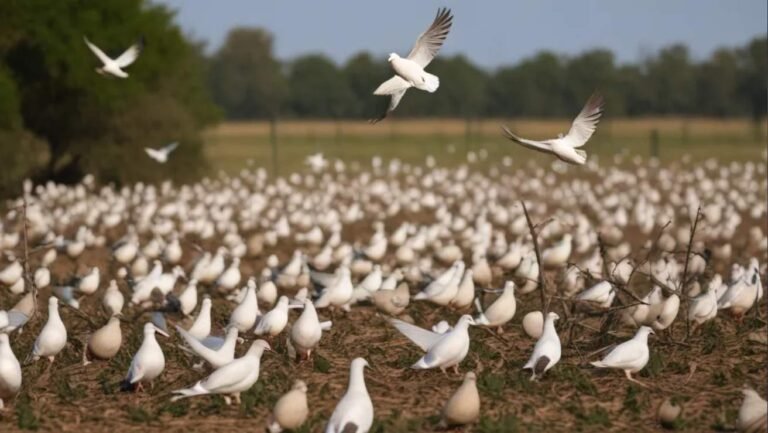
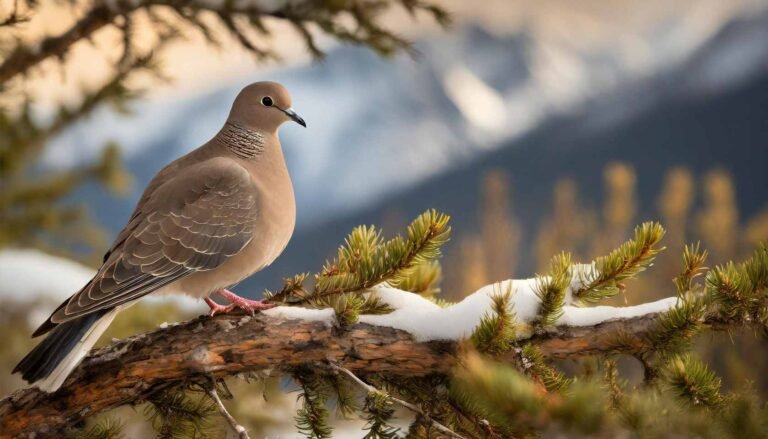
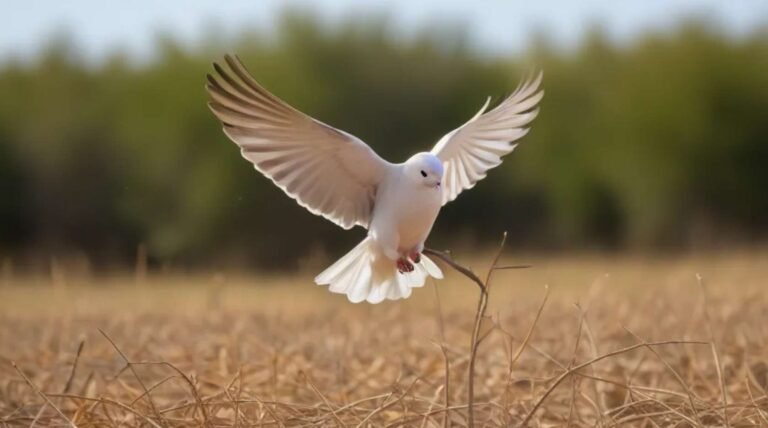
Mourning doves are the main target species. White-winged doves are far less common in South Carolina, but they can show up, especially in the coastal half of the state and around agriculture. Eurasian collared doves are established in South Carolina and are most common in developed rural areas, farmsteads, and the outer Coastal Plain.
One key point: South Carolina does not use a complicated dove-zone map the way some states do. Instead, the season is essentially statewide, while many public dove fields operate on their own scheduled hunt dates.
🧭 Dove Hunting Zones in South Carolina
Despite what many hunters assume, South Carolina does not currently divide dove season into north, south, central, or coastal dove zones.
What that means in practice
- Statewide split seasons apply for the regular dove season.
- Public dove fields on WMAs may have their own hunt dates and hunt-day restrictions.
- Some fields are Saturdays only during part of the season.
- Some are adult/youth only on specific dates.
- Some are dove-only properties with tighter access rules.
So if you are hunting private land, think statewide season dates. If you are hunting public land, think statewide dates plus field-specific schedules.
🎯 Daily Bag Limits
South Carolina keeps the bag structure simple.
| Species | Daily Limit | Possession Limit | Special Rules |
|---|---|---|---|
| Mourning Dove | 15 total | 45 | Main statewide limit |
| White-winged Dove | Counts toward dove total | 45 aggregate | Rare in SC; count conservatively |
| Eurasian Collared Dove | No limit | No limit stated | Identify carefully; public field rules still matter |
| Rock Pigeon | No limit stated on SCDNR dove page | No limit stated | Allowed on some public dove hunts |
The headline number for most hunters is easy to remember: 15 doves per day, 45 in possession.
⏰ Legal Hunting Hours
For the regular statewide dove season, legal shooting hours are:
- One hour before sunrise until sunset
That is the statewide rule. However, South Carolina public dove fields add stricter limits:
- Afternoon only
- No entry before noon
- No shooting after 6:00 p.m. during the first segment
That public-field restriction matters a lot on opening week. Hunters used to private-land dawn shoots can get tripped up if they show up early to a WMA dove field.
Federal migratory bird regulations set the broader legal framework for dates, season length, bag limits, and shooting hours. South Carolina then selects its season within that framework and can impose field-specific restrictions on public lands.
🪪 Licenses Needed
Here is the practical license checklist for South Carolina dove hunting.
Required for most adult hunters
- South Carolina hunting license
- Migratory Bird Permit (HIP) — required for hunters age 16 and older hunting migratory birds
- WMA permit — required if hunting public WMA dove fields
License price summary
| License / Permit | Resident | Nonresident |
|---|---|---|
| State Hunting License (Annual) | $12.00 | $125.00 |
| State Hunting License (10-Day) | — | $75.00 |
| State Hunting License (3-Day) | — | $40.00 |
| WMA Permit | $30.50 | $76.00 |
| Migratory Bird Permit (HIP) | Free | Free |
Important exemptions and notes
- Youth under 16 do not need a hunting license.
- HIP is required for age 16+, but certain older hunters with qualifying lifetime, senior, or gratis licenses are exempt.
- Active-duty South Carolina residents home on leave may hunt without buying the regular hunting license, but still need required permits for migratory birds and WMA access.
- Senior lifetime license: South Carolina residents 64 or older can apply for a discounted lifetime license.
- Hunter education is required for residents and nonresidents born after June 30, 1979, unless using a lawful apprentice option.
- Federal Duck Stamp is not required for dove hunting. That applies to waterfowl, not doves.
🔫 Legal Hunting Methods
South Carolina dove rules are straightforward, but the details matter.
Legal basics
- Shotguns must be 10 gauge or smaller
- Shotguns must be plugged to hold no more than three shells total
- Recorded or electronic bird calls are illegal
- Hunting from a motor vehicle or motor-driven conveyance is generally illegal
- Hunting over a baited area is illegal
- On public dove fields, hunters are limited to 50 shells per hunt
About shot type
The South Carolina materials reviewed do not announce a blanket statewide non-toxic-shot requirement for dove hunting the way they do for waterfowl. That said, some public properties or partner lands may have site-specific ammunition rules, so it is smart to check the exact field listing before the hunt.
Baiting law matters more than anything else
South Carolina spends a lot of time warning hunters about baiting because it remains one of the easiest ways to get cited. Legal dove hunting usually happens over:
- harvested corn or soybean fields
- properly manipulated wildlife plantings
- wheat planted according to accepted agricultural practice
Avoid fields with obvious piles, strips, or broadcast grain that does not match normal agricultural work. And remember the 10-day rule issue: if bait was removed, the area can still be illegal for a period afterward.
🌾 Best Places to Hunt Doves in South Carolina
South Carolina has one of the better public dove programs in the Southeast. A few standout options include:
- Crackerneck WMA (Aiken County) — a well-known public field with scheduled hunt days.
- Botany Bay Plantation WMA (Charleston County) — coastal setting with adult/youth-only hunts on listed dates.
- Samworth WMA (Georgetown County) — a strong coastal public option and dove-only setup.
- Manchester State Forest (Sumter County) — large, well-known public opportunity with designated fields and later-season flexibility.
- Sand Hills State Forest (Chesterfield County) — classic Sandhills dove country with Wilkes Chapel and Davis fields.
- Worthy Bottoms / Landsford Canal area (Chester County) — solid Upstate/Midlands public-field choices.
- Fants Grove WMA (Anderson County) — dependable Upstate public field.
- Lake Wallace WMA (Marlboro County) — specifically managed as a dove-only public opportunity.
- Canal WMA (Berkeley County) — a Lowcountry field with scheduled hunt dates.
- Love Farm WMA (Richland County) — tightly controlled field access, useful for Midlands hunters.
South Carolina’s public opportunities lean much more toward WMAs, state forest fields, Corps properties, and partner-managed fields than toward a long list of federal wildlife refuges.
🧠 Top Dove Hunting Tips
Here are 15 South Carolina-specific tips that actually help:
- Treat opening day like a summer hunt. Heat and bugs are still part of the game.
- Scout grain and cut-field edges late in the afternoon.
- Watch powerlines, dead snags, and isolated trees near feed fields.
- On public fields, do not arrive expecting a sunrise shoot. Noon entry means noon entry.
- Bring fewer boxes than usual on WMAs. The 50-shell rule is real.
- Pick a safe corner with sun at your back for the evening flight.
- Expect higher birds on windy coastal days in the Lowcountry.
- On hot openers, keep water for yourself and your dog.
- If birds are skirting the center, move to travel lanes instead of sitting under the crowd.
- South Carolina later splits can be excellent after acorns and early food sources thin out.
- Scout private fields for legality, not just bird numbers.
- On Sandhills and Upstate fields, dust can be brutal. Protect your eyes.
- Know your field schedule. Some public fields are Saturdays only.
- Report banded birds. It helps biologists and only takes a few minutes.
- Identify collared doves carefully. Their size, pale color, and squared tail stand out.
📝 Recent Regulation Changes for 2026-2027
The big update for 2026-2027 is the official season calendar itself:
- Sept. 5 – Oct. 3, 2026
- Nov. 13 – Nov. 28, 2026
- Dec. 18, 2026 – Jan. 31, 2027
Beyond the calendar shift that naturally comes with each new season year, the core South Carolina dove framework appears substantially unchanged. The main rules remain familiar:
- 15-dove daily bag
- 45-dove possession limit
- Statewide split season
- Public-field shell and hour restrictions still in effect
In short, hunters should not expect a major rule overhaul, but they should still verify any field-specific schedule before heading out.
🦺 Hunter Safety Tips
Dove hunting looks casual, but it can get sloppy fast if people relax too much.
- Keep muzzles up and safe around crowded fields.
- Wear eye protection because low birds and falling shot happen.
- Use hearing protection, especially on busy public hunts.
- Carry more water than you think you need in early September.
- Watch your dog for overheating on dusty, open fields.
- Never shoot low birds across another hunter’s lane.
- Positively identify every bird before mounting the gun.
- Pick up hulls and leave the field cleaner than you found it.
🕊️ Common Dove Species Found in South Carolina
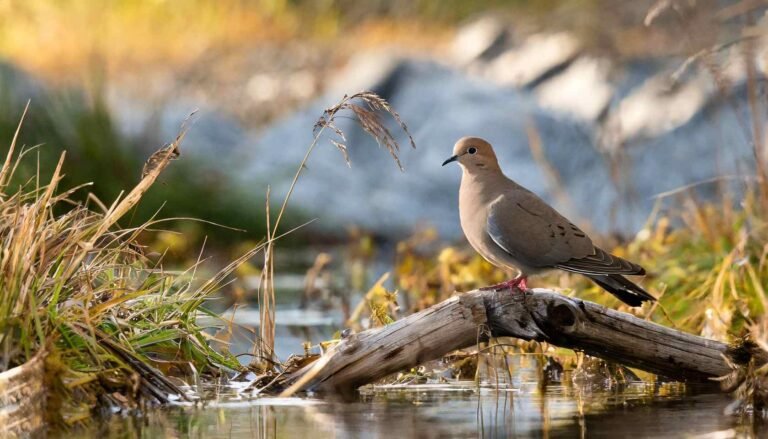
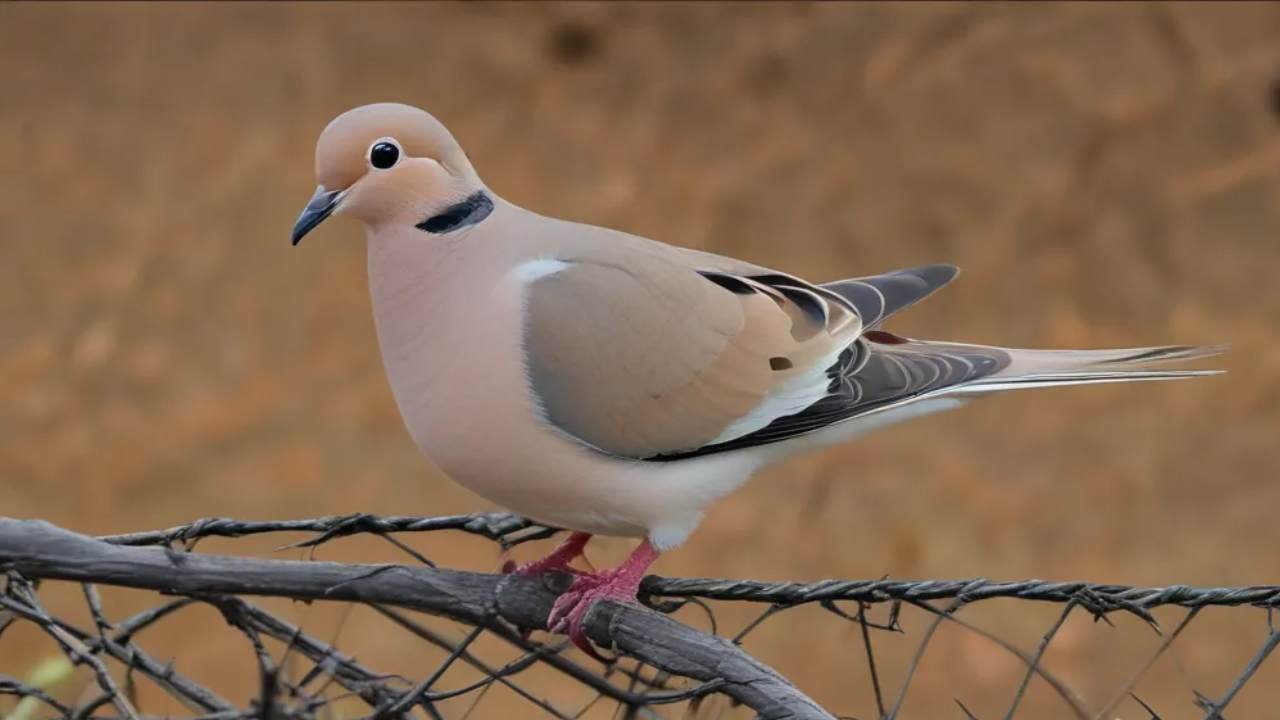
Mourning Dove
Identification: slim body, pointed tail, fast wingbeats.
Habitat: agriculture, field edges, utility lines, open country.
Migration: many South Carolina birds are resident, but seasonal movement boosts numbers.
Best strategy: hunt flight lines between roost trees and grain.
White-winged Dove
Identification: chunkier than a mourning dove with a bold white wing patch.
Habitat: agriculture and developed edges; still uncommon in South Carolina.
Migration: more common in the Gulf region, occasional in SC.
Best strategy: treat any possible white-wing carefully and count it conservatively within your dove total.
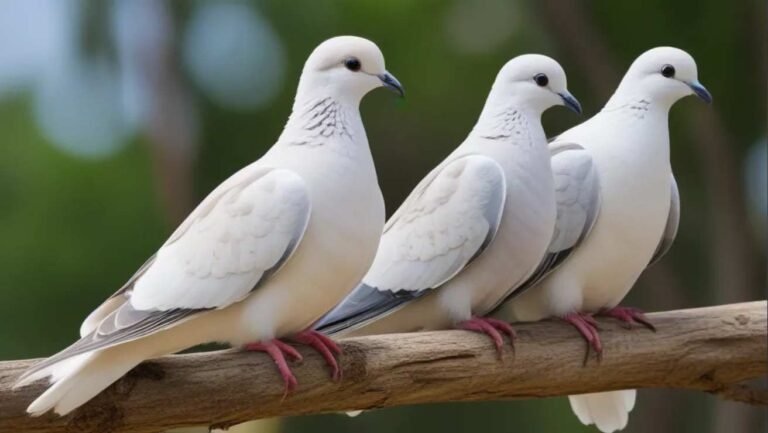
Eurasian Collared Dove
Identification: larger dove with a black neck collar and squared tail.
Habitat: barns, silos, farmsteads, small towns, outer Coastal Plain.
Migration: non-native resident.
Best strategy: look around grain storage, rural homesites, and edges of agricultural communities.
Rock Pigeon
Identification: heavier-bodied pigeon with broad wings and varied coloration.
Habitat: barns, towns, bridges, feed lots.
Migration: resident.
Best strategy: most relevant where public field rules or private-land conditions make them legal alongside dove hunting activity.
❓ Frequently Asked Questions
Do I need a HIP permit to hunt doves in South Carolina?
Yes. Hunters 16 and older need the South Carolina Migratory Bird Permit, commonly called HIP, unless they fall into a listed exemption such as certain senior or lifetime-license situations.
What is the daily bag limit for South Carolina dove season?
The daily bag limit is 15 doves. The possession limit is 45.
Is South Carolina dove season split into zones?
No. South Carolina uses a statewide split season, not separate north, south, central, or coastal dove zones.
What time can I start hunting doves in South Carolina?
For the statewide season, legal hours are one hour before sunrise until sunset. On public WMA dove fields, entry is not before noon, and first-segment shooting ends at 6:00 p.m.
Do I need a Federal Duck Stamp for dove hunting?
No. A Federal Duck Stamp is for waterfowl hunting, not dove hunting.
Can I use an unplugged shotgun for dove hunting?
No. Your shotgun must be plugged so it cannot hold more than three shells total.
Are electronic calls legal for doves?
No. Recorded or electronically amplified calls are illegal for hunting game birds in South Carolina.
Can I hunt doves over a planted wheat field?
Sometimes, yes—but only if the field was planted according to normal agricultural practice. If the grain was scattered as bait, the hunt is illegal.
Do I need hunter orange for dove hunting on WMA land?
South Carolina WMA rules exempt dove hunters from the orange requirement while hunting doves.
Final Thoughts
South Carolina Dove Season 2026-2027 should offer another strong year for hunters who do the basics well: know the dates, confirm the field rules, check your license and HIP status, and scout legal food sources before the opener. The state keeps the season simple with a statewide split, but public-land details still matter enough to make or break a hunt.
If you are building out your fall calendar, a smart next step is to review South Carolina Hunting Seasons 2026-2027, South Carolina Waterfowl Season, South Carolina Deer Season, and a South Carolina Hunting License Guide. And if you also hunt across state lines, this Georgia dove season guide is a useful comparison for nearby opportunities.